
Soups & Stews
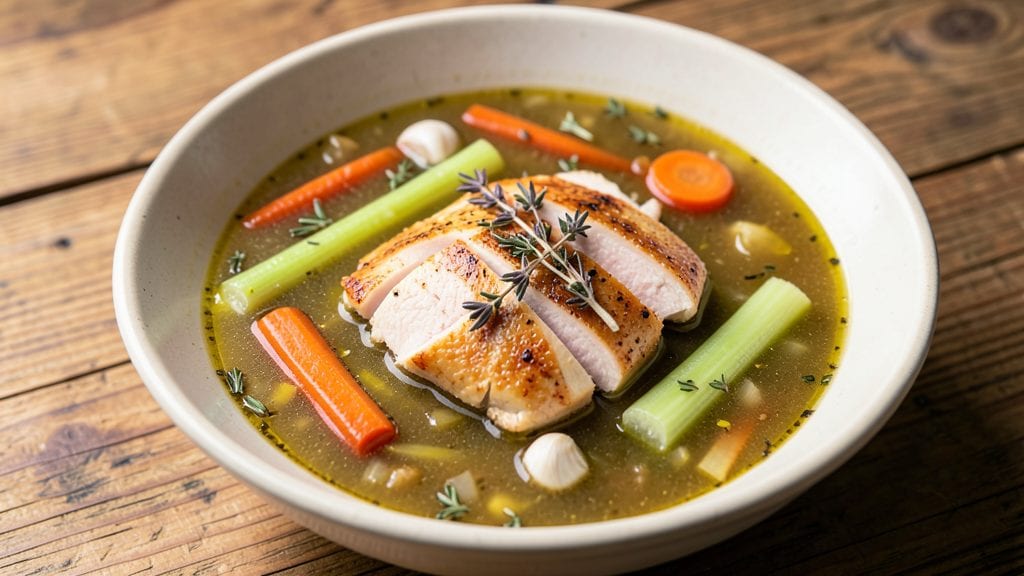
A basic soup recipe made from pantry staples delivers comfort in every bowl—simple yet deeply satisfying when simmered just right. The beauty of this approach lies in its flexibility: swap ingredients based on what you have, and still achieve a perfectly balanced, aromatic broth that warms both body and soul.
I’ve refined this method over years of testing, ensuring it’s foolproof for beginners while offering room for customization.
This recipe starts with a flavorful base of onions, carrots, and celery—classic aromatics that build depth as they slowly caramelize in the pot. Adding garlic, herbs, and a protein (like chicken, beans, or tofu) transforms these humble ingredients into a hearty, nourishing meal.
The key lies in patience: letting the soup simmer for 20-30 minutes allows flavors to meld naturally, without overpowering the delicate balance of sweet and savory notes.
What you’ll end up with is a perfectly textured soup—creamy from blended vegetables or potatoes if desired, yet never heavy, with a broth so rich it coats each spoonful.
The aroma alone will signal dinner is ready, while the first taste confirms this is the kind of meal that turns ordinary weeknights into cozy traditions. Garnish with fresh herbs or a drizzle of olive oil for that final touch of restaurant-quality finesse.
Best of all, this recipe scales effortlessly—double the batch for leftovers or halve it for a light lunch. Whether you’re feeding a family or meal prepping for the week, the principles remain the same: build flavor gradually, simmer with care, and let simplicity shine.
Let’s get started on a soup that’s as versatile as it is comforting.
Ingredients for basic soup
Pantry staples and fresh aromatics create the perfect foundation for this comforting soup.
| Ingredient | Amount | Notes |
|---|---|---|
| Yellow Onion 🧅 | 1 whole | Diced medium size, about 1 cup |
| Carrots 🥕 | 2 medium | Peeled and chopped into 1/2-inch pieces |
| Celery Stalks 🥬 | 2 whole | Diced into 1/2-inch pieces |
| Garlic Cloves 🧄 | 4 cloves | Minced for even distribution |
| Chicken Breast 🍗 | 1 ½ lb | Boneless, skinless, cubed |
| Dried Thyme 🌿 | 1 tsp | Or 1 tbsp fresh thyme leaves |
| Bay Leaves 🍃 | 2 whole | Standard dried leaves |
| Chicken Broth 💧 | 4 cups | Low-sodium preferred |
| Extra-Virgin Olive Oil 🫒 | 2 tbsp | For sautéing aromatics |
| Salt 🧂 | 1 ½ tsp | Adjust to taste, kosher preferred |
| Black Pepper 🌶️ | ½ tsp | Freshly ground for best flavor |
| Fresh Parsley 🌿 | ¼ cup | Chopped for garnish |
| Russet Potatoes 🥔 | 1 medium | Optional for creaminess, diced |
The onion, carrots, and celery form the classic 'holy trinity' of soup flavor. Buy organic if possible—the skin on carrots and celery often contains dirt, so peeling ensures a cleaner base. For the most even cooking, cut all three ingredients to the same size. Trader Joe's often has pre-chopped mirepoix mixes, but chopping yourself guarantees fresher ingredients. The chicken breast should be boneless and skinless—anything else risks uneven cooking or excess fat. For a vegetarian version, swap in 1 can of white beans or 1 block of firm tofu instead.
No chicken broth? Vegetable broth works perfectly, though the flavor will differ slightly. Short on thyme? Dried oregano at half the amount provides a similar earthy note. The potatoes are optional but add natural creaminess—if omitting, blend in 1/2 cup of the broth at the end for thickness. For extra depth, toast the bay leaves in the olive oil for 30 seconds before adding the broth. Fresh parsley brightens the final dish, but dried parsley at one-quarter the amount works in a pinch if you're out.
Store leftover soup in an airtight container for up to 5 days in the fridge. The flavors actually improve overnight as everything melds together. For longer storage, freeze portions for up to 3 months. I like to portion it into individual containers so I can grab a ready-made lunch. The broth can be made ahead and kept in the freezer for up to 6 months—just thaw and add fresh ingredients when ready to serve.
Why You'll Love This Recipe
- No-Chop Trick: I swear by the "mirepoix shortcut"—just buy pre-chopped onion, carrot, and celery mix (yes, it’s a thing) and toss it straight in. The garlic and chicken take care of themselves while you’re scrolling through your phone waiting for the water to boil.
- Savory Umami Bomb: That first bite—where the tender chicken meets the caramelized onion and just a hint of celery’s earthy bite? It’s like a hug in a bowl. Honestly, the secret’s in browning the chicken first; crispy edges? Chef’s kiss.
- Lunchbox Hero: Pack it cold or reheat it hot—this soup travels like a champ. I make a double batch on Sundays, and by Wednesday, I’m still eating it for lunch, no fuss. The carrots stay bright, the chicken stays juicy, and no one complains about soggy sandwiches.
- Budget Win: A whole chicken breast and a handful of veggies feed four for under $10. Between us, that’s cheaper than takeout and healthier. Plus, leftovers? They taste just as good the next day—no sad, watery soup here.
Step-by-step instructions for pantry staples simmered to perfection
Here's how to transform simple ingredients into a rich, flavorful soup every time.
Sauté the Aromatic Vegetables
Heat the 2 tablespoons extra-virgin olive oil in a large pot over medium heat. Add the 1 whole yellow onion, 2 medium carrots, and 2 whole celery stalks all at once. Cook for 8-10 minutes, stirring occasionally, until the vegetables soften and the onion becomes translucent.
This foundational step develops the soup's flavor base. You'll know it's ready when the vegetables release their moisture and begin to caramelize slightly at the edges. If the vegetables stick to the pot, reduce the heat briefly and scrape the bottom with a wooden spoon to release any browned bits.
Add Garlic and Seasonings
Stir in the 4 cloves minced garlic, 1 teaspoon dried thyme, and 2 whole bay leaves. Cook for 1-2 minutes until the garlic becomes fragrant but doesn't brown. This quick cooking prevents the garlic from becoming bitter.
Here's where the flavor really starts to build. The thyme and bay leaves will infuse the soup with their earthy notes as they simmer. Don't skip this step—it's what transforms simple vegetables into deeply flavorful soup.
Brown the Chicken and Add Potatoes
Push the vegetables to one side of the pot and add the 1.5 pound cubed chicken breast to the empty space. Cook for 5-6 minutes until the chicken develops a light golden brown crust on all sides. This browning creates the Maillard reaction that adds depth to the soup.
Once the chicken is browned, return everything to the center of the pot. Add the 1 medium diced russet potato (if using) and stir to combine. The potatoes will absorb some of the soup's flavors as they cook, adding creaminess to the final texture.
Simmer with Chicken Broth
Pour in the 4 cups chicken broth and bring the mixture to a gentle boil. Reduce heat to low-medium and let it simmer uncovered for 20-25 minutes, stirring occasionally. You want the soup to bubble gently rather than boil vigorously.
During this time, the chicken will cook through and the vegetables will become tender. The broth should reduce slightly, concentrating the flavors. If the soup starts to reduce too quickly, add ¼ cup water to maintain the proper consistency.
Season and Finish
Remove the 2 whole bay leaves from the soup. Stir in the 1.5 teaspoons salt and 0.5 teaspoon black pepper. Taste and adjust seasoning if needed—this is where you ensure the soup has the perfect balance of flavors.
Let the soup simmer for an additional 5 minutes to allow the seasonings to meld completely. Remove from heat and stir in the 0.25 cup chopped fresh parsley. The parsley adds a bright finish that cuts through the richness of the soup. Serve immediately while hot.
Pro Tips For Making Basic Soup
- COOK CHICKEN LOW AND SLOW: I used to toss in raw chicken breast and walk away—big mistake. Simmer it at a gentle bubble (160°F internal temp) for at least 20 minutes first, then shred. This keeps it tender instead of rubbery, and the broth absorbs flavor like a sponge.
- CHOP VEGETABLES UNIFORMLY: No, "roughly chopped" doesn’t mean "throw it in there." Aim for ½-inch pieces—carrots, celery, and onions should all be the same size. This ensures even cooking and prevents mushy bits while others stay crunchy.
- SWEAT ONIONS FIRST: Skip the high heat—sauté onions in 2 tablespoons oil over medium until translucent (8-10 minutes). This builds flavor without burning, and you’ll avoid that bitter taste that sneaks in when you rush.
- SALT THE BROTH LATE: Hold off on seasoning until the very end. Salt early, and you’ll dilute the broth’s intensity. Wait until the soup’s done, then taste and adjust—you’ll need about 1 teaspoon per quart to balance the flavors properly.
Creative variations of this recipe
Global Comfort Twist
Turn this classic into a global comfort bowl by adding 1 tbsp gochujang (Korean chili paste) and 1 tsp sesame oil when sautéing the aromatics. Top with 1 fried egg and 2 tbsp chopped scallions for a Korean-inspired version called jjigae.
The gochujang adds depth while the egg ties everything together. 🌶️
Creamy Potato Base
For a thicker, creamier texture, add 1 cup diced Yukon Gold potatoes along with the chicken. Simmer until tender, then blend 1 cup of the broth with ½ cup Greek yogurt and stir it back in.
This creates a velvety consistency without heavy cream. I love this version with a sprinkle of smoked paprika for warmth. 🥔
Spicy Tomato Kick
Swap half the broth for 1 can (14 oz) crushed tomatoes and add 1 tsp red pepper flakes when sautéing. Finish with a squeeze of lemon juice and fresh basil for a Mediterranean-inspired twist. This version sings with bright acidity and heat—perfect for summer. 🍅
Hearty Bean Swap
Make it vegetarian-friendly by replacing chicken with 1 can (15 oz) white beans or 1 cup cooked lentils. For extra protein, stir in ½ cup cooked quinoa at the end.
Top with avocado slices and a drizzle of lime crema (mix Greek yogurt with lime juice and salt) for a zesty finish. 🌱
Asian-Inspired Ginger Zing
Infuse the broth with 1 tbsp fresh grated ginger and 1 tsp soy sauce while simmering. Add 1 cup shredded bok choy or napa cabbage in the last 5 minutes of cooking.
Finish with 1 tsp toasted sesame seeds and a drizzle of chili oil. This version feels like a cozy ramen bowl in minutes. 🥬
Herb-Forward Garden Soup
Boost freshness by adding 1 bunch fresh dill (chopped) and 1 tbsp fresh tarragon along with the thyme. Use vegetable broth and add ½ cup cooked green peas at the end.
Garnish with crème fraîche and extra herbs for an elegant, herbaceous twist. This version tastes like a refined spring soup. 🌿
Nutrition facts
Frequently asked questions
Can I make this soup without chicken?
For a vegetarian version, replace the chicken with 1 can (15 oz) white beans or 1 cup cooked lentils. Add them with the broth and simmer until heated through. For extra protein, stir in ½ cup cooked quinoa at the end. The soup will still be hearty and flavorful.
How do I prevent the soup from getting mushy?
To keep vegetables crisp-tender, add harder veggies like carrots and potatoes 10 minutes before the soup is done. For celery and onions, add them earlier since they soften faster. Also, avoid overcooking—simmer just until ingredients are tender but still hold their shape.
Can I make this soup in a slow cooker?
Yes! Sauté the aromatics in a skillet first, then transfer everything to the slow cooker. Cook on low for 6-7 hours or high for 3-4 hours. The slow cooking enhances flavors even more. Just add the bay leaves at the beginning and remove them before serving.
What's the best way to store leftovers?
Store in an airtight container in the fridge for up to 5 days. For freezing, portion into individual containers and freeze for up to 3 months. The broth can be frozen separately for 6 months. Always cool the soup completely before refrigerating to prevent bacterial growth.
How can I make this soup creamier without dairy?
Blend 1 cup of the broth with ½ cup cooked white beans or ½ cup silken tofu until smooth, then stir back into the soup. For extra richness, add 1 tbsp nutritional yeast or a splash of coconut milk. This creates a velvety texture without dairy.