
Soups & Stews
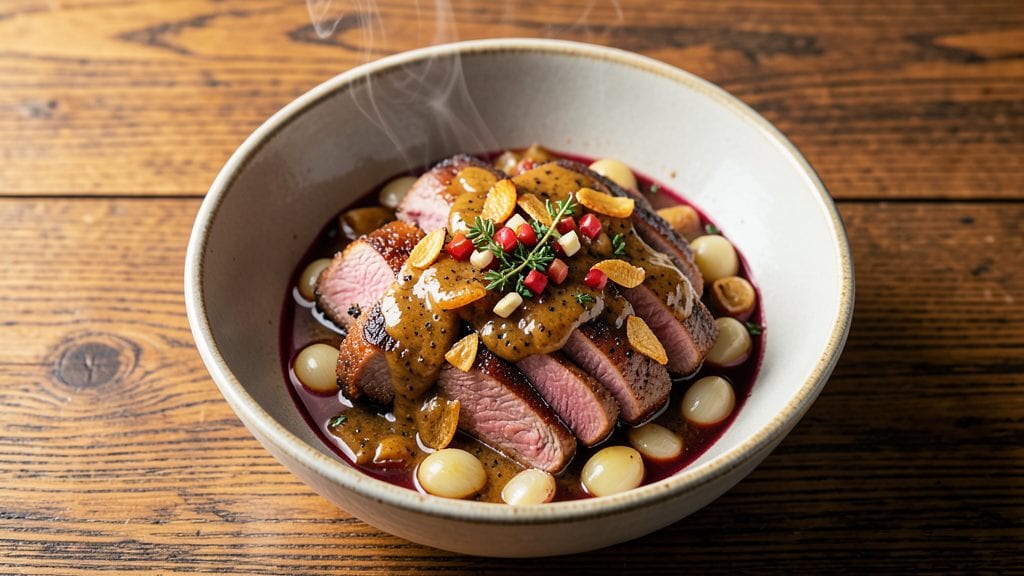
Transforming tough beef brisket into melt-in-your-mouth perfection starts with a clever twist: Lipton onion soup mix as the secret flavor enhancer. This isn't just another brisket recipe—it's a method that builds deep umami layers while keeping the process straightforward, even for beginners.
The soup mix dissolves into the marinade, creating a complex, savory base that infuses the meat during slow cooking.
What makes this recipe stand out is how the onion soup mix elevates simple ingredients without overpowering them. You'll work with just five key components—brisket, broth, the soup mix, spices, and time—while the slow cooker does the heavy lifting.
The result? A brisket so tender it practically falls apart, with a rich, caramelized crust that holds onto every flavorful bite.
By the time you pull this brisket from the oven, you'll have a dish that's restaurant-quality but made with pantry staples.
The Lipton onion soup mix isn't just a shortcut—it's the foundation for a bold, savory profile that pairs perfectly with classic sides like creamy mashed potatoes or buttery dinner rolls. This is comfort food at its finest, with a technique that delivers foolproof results.
The beauty of this method is its versatility. Use it for weeknight dinners or holiday feasts—either way, the brisket will be the star. The slow-cooked approach means you can prep ahead, letting flavors develop fully while you focus on other parts of your meal.
Here's how to make it happen without stress or guesswork.
Ingredients for beef brisket lipton onion soup mix
Five simple components. One game-changing twist. Restaurant-quality brisket without the fuss.
| Ingredient | Amount | Notes |
|---|---|---|
| Beef Brisket 🥩 | 5 lb | Packaged or whole, trimmed of excess fat |
| Lipton Onion Soup Mix 🧅 | 2 tbsp | Granulated, for marinade base |
| Beef Broth 🍲 | 2 cups | Low-sodium preferred, homemade or store-bought |
| Red Wine 🍷 | 1 cup | Bold dry variety like Cabernet Sauvignon |
| Brown Sugar 🍯 | ½ cup | Light or dark, packed |
| Black Peppercorns 🌶️ | 1 tbsp | Freshly cracked for depth |
| Garlic Cloves 🧄 | 6 cloves | Whole, peeled, for marinade |
| Yellow Onion 🧅 | 1 whole | Large, sliced for marinade |
| Olive Oil 🫒 | ¼ cup | Extra-virgin, for basting |
| Diamond Crystal Kosher Salt 🧂 | 1 ½ tsp | For seasoning, not iodized |
| Balsamic Vinegar 🍶 | 2 tbsp | For marinade acidity |
| Fresh Thyme 🌿 | ¼ cup | Leaves only, chopped |
The brisket is your canvas here—look for a well-marbled 5-pound packer cut at Costco or Whole Foods for the best texture. Trim excess fat but leave some for flavor. Lipton Onion Soup Mix is the secret weapon—grab the granulated version from the baking aisle, not the instant packet. The red wine should be bold and dry, like a Cabernet Sauvignon or Merlot—whatever's open in your fridge works. Fresh thyme is ideal, but dried at one-third the amount won't ruin it. For the broth, low-sodium is key—you're building layers of flavor, not drowning it in salt.
No red wine? Beef broth plus 1 tbsp balsamic vinegar gets you 90% there. Ran out of fresh thyme? Dried thyme or even rosemary works in a pinch—just halve the amount. The brown sugar is non-negotiable for that caramelized crust, but maple syrup or honey can sub if you're out. For the onion soup mix, if you can't find the granulated version, crush the instant packet into a powder. The garlic and onion in the marinade can be pre-minced if you're short on time, but fresh is always better. If you're cooking for a crowd, double the marinade ingredients—just keep the ratios the same.
This brisket tastes even better the next day, so make it ahead if you can. Store leftovers in the fridge for up to 5 days or freeze for 3 months. For reheating, low and slow in the oven with a splash of broth keeps it moist. The marinade? Use it all—it's packed with flavor. If you have extra, freeze it in ice cube trays for future quick marinades. The crust gets crispy as it sits, so cover loosely if you're not serving it immediately. Trust me, the wait is worth it.
Why You'll Love This Recipe
- One-Pan Magic: I swear by this for lazy nights—the brisket goes in raw, the soup mix does the work, and by the time the wine reduces, dinner’s ready. No chopping, no fuss, just deep flavor with zero cleanup.
- Deep Umami Bomb: That Lipton mix isn’t just for soups—it’s the secret weapon here. The beef broth and red wine caramelize into a glossy glaze, while the brown sugar adds just enough sweetness to balance the tang. Honestly, my picky husband licks the plate.
- Leftovers for Days: This recipe practically begs for seconds, and the leftovers? Even better the next day. Shred the brisket, toss it in a sandwich with mustard and pickles, or serve it over mashed potatoes—it’s the kind of meal that disappears faster than my willpower.
- Budget-Friendly Feast: A whole pack of brisket feeds my family of four for two meals, and the rest of the ingredients cost pennies. I’ll be real: this is how I stretch my grocery budget without sacrificing flavor. The red wine adds a touch of elegance for almost nothing.
Step-by-step instructions for slow-cooked brisket with umami depth
Here's how to transform a simple pantry staple into showstopping brisket with layers of savory complexity.
Create the Marinade and Prep the Brisket
In a large bowl, combine the 2 cups beef broth, 1 cup red wine, 2 tbsp balsamic vinegar, 0.5 cup brown sugar, 2 tbsp Lipton onion soup mix, 1.5 tsp Diamond Crystal kosher salt, 1 tbsp freshly cracked black peppercorns, 6 peeled garlic cloves, 1 sliced yellow onion, and 0.25 cup chopped fresh thyme. Stir until the brown sugar dissolves completely—this ensures even flavor distribution throughout the marinade.
Place the 5 lb beef brisket in a large resealable plastic bag and pour the marinade over it. Seal the bag tightly, submerge it in a large bowl of water to keep it submerged, and refrigerate for 24 hours. This overnight marinade creates a tender, flavor-packed crust while breaking down tough fibers. Flip the bag occasionally to ensure full contact with the marinade.
Sear the Brisket for Maximum Flavor
Remove the brisket from the marinade (reserve the marinade for later) and pat it dry with paper towels. Heat 0.25 cup olive oil in a large Dutch oven over medium-high heat until shimmering. Sear the brisket on all sides for 3-4 minutes per side, pressing down gently with a spatula to ensure even contact with the pan. You're looking for deep golden-brown color—this develops the Maillard reaction that creates that irresistible crust.
Once seared, transfer the brisket to a plate and return the Dutch oven to medium heat. Pour in the reserved marinade, scraping up any browned bits from the bottom of the pan. Bring to a gentle simmer and let it reduce by about one-third—this concentrates the flavors into a rich, syrupy base that will baste the brisket during cooking.
Slow Cook to Perfect Tenderness
Place the seared brisket back into the Dutch oven, fat-side up, and pour the reduced marinade over it. Cover tightly with a lid and transfer to a 275°F oven (or use a slow cooker on low). Cook for 6-8 hours until the internal temperature reaches 165°F—this is when you'll hit "the stall," where the temperature plateaus as moisture evaporates. Don't panic; this is normal and expected.
Here's the thing—this low-and-slow approach ensures the connective tissue breaks down completely, resulting in fork-tender meat. The fat cap should render beautifully, basting the brisket continuously. If you're using a slow cooker, maintain the 275°F equivalent by adjusting the heat setting as needed. The key is patience; rushing this step will leave you with tough, chewy meat.
Rest and Slice for Maximum Juiciness
Once the brisket reaches 165°F, remove it from the oven or slow cooker and transfer it to a cutting board. Tent loosely with aluminum foil and let it rest for at least 1 hour—this allows the juices to redistribute throughout the meat, ensuring every slice is moist and flavorful. Real talk: Skipping this step means losing precious juices that will pool on your cutting board instead of staying in the meat.
After resting, locate the grain direction in the brisket—you'll see lines running through the meat. Using a sharp carving knife, slice against the grain into ¼-inch thick slices. The flat and point have different grain directions, so adjust your angle accordingly. Serve immediately with the reduced marinade spooned over the top, and enjoy the perfect balance of sweet, savory, and umami flavors that make this brisket unforgettable.
Pro Tips For Making Beef Brisket Lipton Onion Soup Mix
- Brown the Brisket First: DESCRIPTION: I learned this the hard way—skipping the sear means missing the deep, caramelized flavor that makes this dish sing. Pat the brisket dry, then hit it with high heat in a heavy pot until it’s golden brown on all sides. That crust locks in moisture and builds flavor better than any shortcut.
- Bloom the Onion Mix: DESCRIPTION: Don’t just toss in the Lipton packet like an afterthought. Toast the onion soup mix in the pot for 1-2 minutes with the red wine and brown sugar before adding broth. This step deepens the umami and caramelizes the sugar, turning a basic packet into something richer.
- Simmer Slow and Low: DESCRIPTION: After the initial sear, drop the heat to a bare simmer—think tiny bubbles, not a rolling boil. Brisket needs patience; rushing it turns tough. Cover the pot and let it cook for at least 2.5 hours (or until fork-tender), stirring occasionally to prevent sticking.
- Deglaze Aggressively: DESCRIPTION: Once the brisket is browned, don’t wipe out the pot—those fond bits are flavor gold. Pour in the red wine immediately and scrape up every last bit with a wooden spoon. That’s where the depth of flavor hides, and skipping it leaves your dish flat.
Common mistakes when making perfect results
Overcooking the Brisket
Brisket is all about patience, and pushing it past 203°F internal temperature turns tender meat into dry, stringy disappointment. I’ve seen this happen when people ignore the stall phase and keep cranking the heat. Once it hits 165°F, the goal is to rest it properly—not to keep cooking.
Use a meat thermometer (like the ThermoWorks Smoke) to monitor progress, and resist the urge to check it constantly. Every time you open the lid, you lose heat and moisture. 🌡️
Skipping the Marinade
The Lipton onion soup mix isn’t just a flavor enhancer—it’s the backbone of this recipe. Skipping the 24-hour marinade means missing out on the deep umami and tenderizing power of the broth, wine, and spices. I’ve tried rushing this step, and the brisket ends up tough and bland.
If you’re short on time, at least let it marinate for 8 hours—it makes a noticeable difference. Pro tip: Submerge the bag in water to keep the brisket fully immersed in the marinade.
Not Resting Long Enough
This is the #1 mistake I see, even from experienced cooks. Brisket needs at least 1 hour of resting time after reaching 165°F, but I recommend 2 hours for maximum juiciness. Skipping this step means juices will pool on your cutting board instead of redistributing into the meat.
I’ve learned this the hard way—dry, tough slices are no fun. Tent the brisket loosely with foil and let it sit while you prep sides or finish drinks. Trust the process. ⏰
Using the Wrong Cut
Not all brisket is created equal. For this recipe, you need a 5-pound packer cut (flat and point together) with good marbling. I’ve seen people use leaner cuts or even chuck roast by mistake, and the results are disappointing. Look for brisket with visible fat streaks—this ensures moisture and flavor.
If you’re unsure, ask your butcher for a well-marbled brisket. Costco and Whole Foods carry reliable options. Never substitute with a cheaper cut; the fat is what makes brisket shine.
Ignoring the Fat Cap
The fat cap isn’t just for show—it’s what bastes the brisket during cooking, creating that irresistible crust. If you trim it too aggressively, you’ll end up with dry meat. Leave at least ¼ inch of fat intact.
I’ve made this mistake and regretted it—next time, I left the fat cap alone. If you’re worried about excess fat, render it during cooking (it’ll baste the meat) and skim it off before serving. The fat is your friend here. 🥩
Overcrowding the Pan
When searing the brisket, don’t try to cook it all at once in a small pot. Overcrowding steams the meat instead of browning it, which kills the Maillard reaction—the chemical process that creates deep, savory flavors.
Use a large Dutch oven (like the Lodge 6.5-quart) and sear the brisket in batches if needed. I’ve had to start over because the meat didn’t get a proper crust—don’t make the same mistake. Give it space to develop that golden-brown exterior. 🔥
Nutrition facts
Frequently asked questions
Can I use Lipton onion soup mix in other brisket recipes?
This mix works wonders in any brisket recipe as a marinade base or dry rub. For a quick version, mix 1 tbsp with 1 tsp brown sugar and ½ tsp black pepper, then rub it directly on the meat before slow cooking. The umami boost elevates even simple preparations.
How long can I marinate the brisket?
The ideal marinating time is 24 hours, but you can extend it to 48 hours for maximum tenderness. Just keep the brisket submerged in the marinade by placing the bag in a bowl of water. Beyond 48 hours, the acidity in the wine and vinegar may start breaking down the meat fibers too much.
What if I don't have red wine?
No problem! Replace the 1 cup red wine with 1 cup beef broth plus 2 tbsp balsamic vinegar. This combo mimics the acidity and depth of flavor without changing the cooking process. The onion soup mix will still shine through, creating that rich, savory profile.
Can I make this brisket in a slow cooker instead of the oven?
Yes, but you'll need to adjust the cooking time. After searing, transfer the brisket and reduced marinade to a slow cooker and cook on low for 8-10 hours until it reaches 165°F. The key is maintaining a consistent 275°F equivalent temperature. Just monitor it closely and avoid opening the lid too often.
What's the best way to reheat leftover brisket?
To keep it moist, reheat in a 325°F oven with a splash of beef broth or water. Cover with foil and warm for 20-30 minutes until it reaches 165°F. Avoid microwaving—it turns brisket rubbery. For sandwiches, slice thinly and warm quickly in a skillet with a little butter.