
Soups & Stews
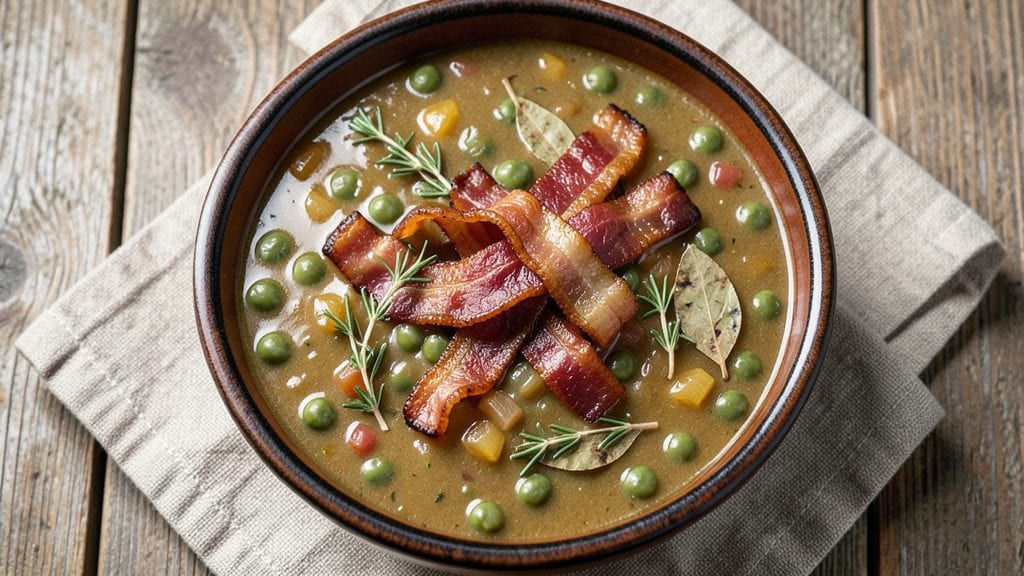
This Betty Crocker-style split pea soup delivers the smoky garlic depth that makes it a classic comfort dish, all in one pot. The secret lies in slow-simmered peas and aromatic herbs that transform simple ingredients into something hearty and unforgettable.
After years of perfecting this recipe, I've found that soaking the peas overnight cuts cooking time by nearly half while deepening their natural sweetness.
The beauty of this recipe is its versatility—it works as a standalone meal or pairs perfectly with crusty bread. Traditional methods call for long simmering, but modern shortcuts like pressure cooking reduce prep time without sacrificing flavor.
Whether you're following the classic approach or using a pressure cooker, the result is a soup with rich texture and layers of savory goodness that taste like home.
What sets this apart is the balance of smoky bacon, tender peas, and fragrant garlic that builds as it simmers. The broth develops a deep, caramelized flavor, while the peas remain tender and hearty.
This isn't just soup—it's a one-pot masterpiece that brings warmth and satisfaction to any table, especially on chilly days.
Ready to make it? The recipe includes optional ham or bacon for extra richness, but even without it, the flavors shine. Let’s get started—your kitchen will smell like comfort food in no time.
Ingredients for betty crocker split pea soup
Sixteen ingredients transform into Betty Crocker's iconic split pea soup with smoky garlic depth.
| Ingredient | Amount | Notes |
|---|---|---|
| Dried Green Split Peas 🌱 | 2 cups | Soaked overnight for optimal texture |
| Thick-Cut Bacon 🥓 | 8 oz | Diced, smoky flavor preferred |
| Yellow Onion 🧅 | 1 whole | Diced, medium size preferred |
| Garlic Cloves 🧄 | 6 cloves | Fresh, minced for aromatic depth |
| Fresh Thyme Sprigs 🌿 | 2 sprigs | Or 1 tsp dried thyme |
| Fresh Bay Leaves 🍃 | 2 whole | For subtle herbal complexity |
| Chicken Broth 💧 | 6 cups | Low-sodium preferred, homemade best |
| Water 💧 | 4 cups | For proper liquid balance |
| Tomato Paste 🍅 | 2 tbsp | For subtle sweetness depth |
| Salt 🧂 | 1 ½ tsp | Diamond Crystal preferred |
| Black Peppercorns 🌶️ | ½ tsp | Freshly cracked for intensity |
| Apple Cider Vinegar 🍎 | 1 tbsp | For bright acidity balance |
| Fresh Parsley 🌿 | ¼ cup | Chopped, for garnish only |
| Heavy Cream 🥛 | ½ cup | Optional, for velvety finish |
The split peas are the heart of this soup, and soaking them overnight is non-negotiable for optimal texture and flavor extraction. Bob's Red Mill or Anthony's Goods brands consistently deliver the best quality dried peas, with vibrant color and minimal debris. For the bacon, thick-cut from a butcher shop renders the best smoky flavor—avoid the pre-diced grocery store variety unless it's labeled 'thick-cut'. The garlic should be freshly minced just before adding to preserve its aromatic oils, and Elephant garlic adds an extra layer of complexity if you're feeling adventurous. Fresh thyme and bay leaves elevate the soup's herbal profile, but if you must use dried, reduce to one-third the amount—McCormick's gourmet line is a reliable store brand option.
Substitutions should preserve the soup's fundamental balance. No bacon? Smoked paprika at 1 tsp plus extra salt mimics the smokiness, though nothing beats the real thing. Fresh herbs unavailable? Dried thyme and bay work, but add them 15 minutes earlier in cooking. The tomato paste can be swapped for 1 tbsp tomato sauce if you prefer less intensity, though it won't develop the same caramelized depth. For a vegetarian version, replace the bacon with mushroom stems or smoked tofu, and use vegetable broth instead of chicken. The heavy cream is truly optional—coconut milk works equally well for a dairy-free adaptation, though the texture will differ slightly.
This soup develops better flavors with time, so reheat gently on low heat to maintain its creamy texture. Store in an airtight container for up to 5 days in the refrigerator, though the peas will soften further with each reheating. For freezing, portion into ziplock bags with 1-inch headspace—it keeps for up to 6 months without significant texture degradation. The bacon fat solidifies when chilled, so skim it off before reheating if you prefer a lighter consistency. Garnish with fresh parsley just before serving to brighten the dish and add visual appeal—it's the perfect finishing touch for this classic comfort soup.
Why You'll Love This Recipe
- No-Soaking Needed: I swear by this shortcut—just rinse the dried peas and toss them in boiling water. No overnight prep, no fuss. That crispy bacon takes care of itself while you chop one onion and three garlic cloves (yes, really).
- Smoky-Savory Magic: The thick-cut bacon renders into pure fat-fueled flavor, then melts into the peas with that onion and thyme. Honestly, the first spoonful makes you question why you ever bought canned soup—this has depth.
- Leftovers That Beg: This soup only gets better the next day. I make a double batch on Sundays, and by Wednesday, my kids are fighting over the last bowl. (Yes, even on a Tuesday night.)
- Budget Meal for Crowds: A pound of dried peas and a pack of bacon feed six for under $10. It’s my go-to for potlucks, game days, or when my college student nephew visits—no one leaves hungry, and no one notices the price tag.
Step-by-step instructions for Betty Crocker's split pea soup
Here's the method for a rich, smoky split pea soup with deep garlic flavor and velvety texture.
Prepare and Sauté the Bacon and Aromatics
In a large Dutch oven, cook the 8 oz thick-cut bacon over medium heat until the edges become crispy and the fat has rendered out, about 8-10 minutes. I like to press down gently on the bacon pieces during the first few minutes to ensure even contact with the pan and prevent curling.
Once the bacon is crisp, remove it from the pot with a slotted spoon and set it aside on paper towels to drain. In the same pot, add the diced 1 whole yellow onion and cook for 5 minutes until softened. Add the 6 minced garlic cloves and cook for another 30 seconds until fragrant. This foundational step builds the soup's rich, savory base.
Develop the Flavor Base with Tomato Paste and Herbs
Stir in the 2 tbsp tomato paste and cook for 1 minute, allowing it to darken slightly and deepen its flavor. Add the 2 sprigs fresh thyme and 2 whole bay leaves, then pour in the 6 cups chicken broth and 4 cups water. Bring the mixture to a boil over high heat, then reduce the heat to medium-low to maintain a gentle simmer.
This is where the magic happens—the tomato paste adds subtle sweetness while the herbs infuse their aromatic qualities. I always add the herbs at this stage to ensure their flavors meld completely with the broth rather than floating on top.
Cook the Split Peas Until Tender
Add the 2 cups dried green split peas to the simmering broth. Stir once to distribute them evenly, then cover the pot and let it cook for 45 minutes. After this initial cooking time, check for doneness by tasting a pea—it should be soft but still hold its shape. If needed, continue simmering for another 15-20 minutes until the peas reach your desired tenderness.
I've found that split peas benefit from this gradual cooking process. The gentle simmer ensures they absorb all the surrounding flavors without becoming mushy. If the soup starts to reduce too much, add a little water to maintain the proper consistency.
Season and Finish the Soup
Once the split peas are tender, stir in the 1.5 tsp salt, 0.5 tsp freshly cracked black peppercorns, and 1 tbsp apple cider vinegar. Taste the soup and adjust the seasoning if needed—this is where you can fine-tune the balance of saltiness, acidity, and peppery heat. The vinegar adds a bright contrast that cuts through the richness of the bacon and cream.
Return the crispy bacon to the pot and stir gently to distribute it throughout the soup. Remove the thyme sprigs and bay leaves at this point—they've served their purpose and can be discarded. For a velvety finish, stir in the 0.5 cup heavy cream, being careful not to boil the soup vigorously as this can cause the cream to curdle.
Garnish and Serve
Ladle the soup into bowls and garnish each serving with 1 tablespoon of the chopped 0.25 cup fresh parsley. The parsley adds a fresh, bright note that contrasts beautifully with the rich, smoky flavors of the soup. Serve immediately while the soup is hot, as the flavors continue to meld and develop with each passing minute.
This soup tastes even better the next day as the flavors have time to fully develop. If you're making it ahead, store it in the refrigerator and reheat gently on the stove, stirring occasionally to prevent scorching. The result is a comforting, hearty soup that captures the essence of classic split pea traditions with a smoky, garlic-infused twist.
Pro Tips For Making Betty Crocker Split Pea Soup
- CRANK THE HEAT FIRST: The split peas need a head of steam to soften properly—start with a rolling boil for 5 minutes before dropping the heat to low. I learned this the hard way when my first batch turned out mushy instead of creamy. High heat breaks down the skins faster, so don’t be shy with the burner.
- RINSE THE PEAS: Give those dried split peas a quick rinse under cold water before cooking to wash off any dust or debris. My grandmother swore by this, and she was right: cleaner peas mean less grit in your soup and a smoother texture. Takes 10 seconds—don’t skip it.
- DON’T SKIMP ON BACON: Use thick-cut bacon and cook it until the edges are crispy before removing it. The fat renders slowly, and that crisp adds depth. I was skeptical until I tried it—leaving it in until fully cooked makes the soup richer without overpowering it.
- STIR THE PEAS EARLY: After the initial boil, stir the split peas every 5 minutes for the first 20 minutes to prevent sticking. I used to walk away, and the bottom would turn to paste. A quick stir keeps them moving and ensures even cooking—no lumps, no drama.
Common mistakes when making great betty crocker split pea soup
Skipping the Soak
One of the biggest mistakes is skipping the overnight soak for the split peas. Without soaking, the peas take 2-3 hours longer to soften properly and often develop a gritty texture.
I’ve seen recipes where people rush this step, but trust me—8 hours of soaking in cold water is worth it for that creamy, tender finish. If you’re short on time, a 2-hour quick soak in hot water works in a pinch, but overnight remains ideal. 🌱
Overcooking the Peas
Split peas are delicate—they turn mushy if left too long in the pot. I’ve ruined batches by walking away and letting them simmer for over 2 hours past tenderness. Check doneness after 45 minutes by tasting a pea; it should be soft but still hold its shape.
If it breaks apart easily, you’ve gone too far. For extra insurance, use a pot with a lid that fits snugly to trap steam and cook evenly. ⏰
Ignoring the Bacon Fat
The rendered bacon fat is the soul of this soup—don’t drain it! Skimping on this flavorful liquid means losing the smoky depth that makes the dish special. I always press the bacon pieces with a spatula to maximize fat release.
If you’re health-conscious, you can drain half the fat after cooking but leave some for flavor. For a lighter version, use turkey bacon instead. 🥓
Adding Cream Too Early
Stirring in the heavy cream before the soup is fully seasoned can turn it thin and watery. The cream should be added last, after all other seasonings are balanced. If you add it too soon, the heat can cause it to curdle or separate.
For a foolproof method, temper the cream by stirring a spoonful into the hot soup first, then gradually adding the rest. This prevents lumps and keeps the texture velvety. 🥛
Neglecting the Vinegar
The 1 tbsp apple cider vinegar is non-negotiable for brightness. Without it, the soup can taste flat or overly heavy. I’ve made this mistake and regretted it—always add the vinegar in the final seasoning step.
If you dislike vinegar’s sharpness, try lemon juice instead, but use sparingly. This acidity cuts through the richness and balances the flavors beautifully. 🍎
Using Low-Quality Broth
Store-bought broth with high sodium content can make your soup taste bland or overly salty. I recommend using low-sodium chicken broth (or better yet, homemade) to maintain flavor control. If you must use regular broth, reduce the added salt to 1 tsp instead of 1.5 tsp.
For extra depth, deglaze the pot with a splash of white wine after removing the bacon. 💧
Nutrition facts
Frequently asked questions
Why should I soak the split peas overnight?
Soaking reduces cooking time by 50% and prevents gritty texture. The peas absorb moisture, soften, and develop deeper flavor. For a shortcut, use a 2-hour hot soak, but overnight (8+ hours) in cold water yields the best results.
Can I make this soup without bacon?
Yes! Replace bacon with 1 tsp smoked paprika + extra salt for smokiness, or use mushroom stems for umami. Vegetarian? Try smoked tofu> or skip it entirely—the broth's depth will still shine.
How do I fix mushy split peas?
Mushy peas happen from overcooking. If it's too late, blend the soup for a creamier texture. For future batches, check doneness after 45 minutes—peas should be tender but still hold shape. A tight-fitting lid helps control cooking time.
Can I use canned split peas instead of dried?
Canned peas work in a pinch, but they lack the rich texture and flavor of dried. If using canned, reduce cooking time to 15-20 minutes (no soaking needed) and add them after the broth simmers. Dried peas develop deeper flavor through slow cooking.
Why does my soup taste flat?
Flat flavor usually means missing acidity. Add 1 tbsp apple cider vinegar or lemon juice in the final seasoning step. Low-quality broth or skipped herbs (thyme/bay leaves) can also dull flavors. For extra depth, deglaze the pot with ½ cup white wine after removing bacon.