
Soups & Stews
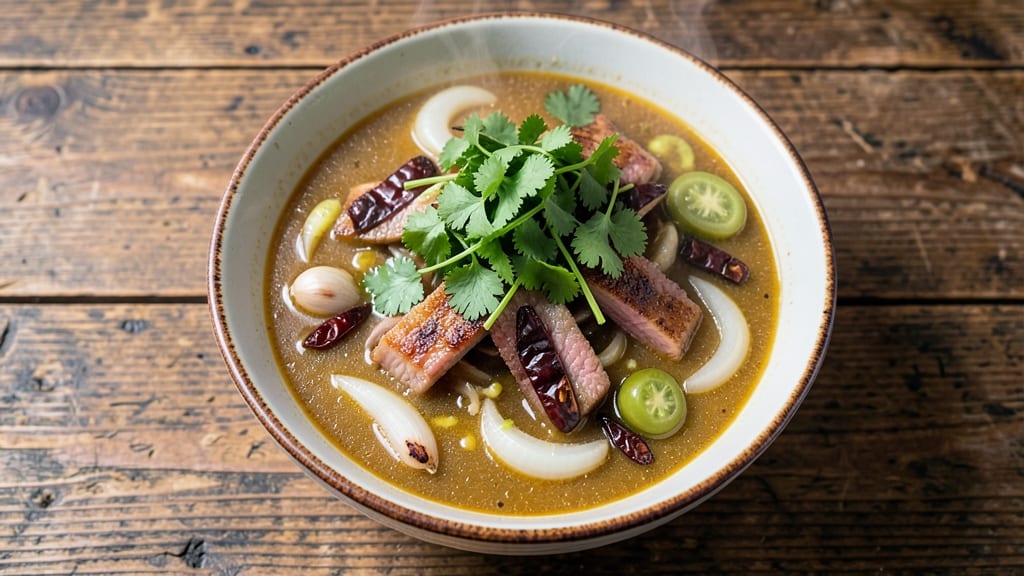
Making Mexican beef tripe soup transforms tough tripe into tender, flavorful bites that become the heart of any meal. This recipe captures the essence of traditional Mexican cooking—smoky spices, bright tomatillo salsa, and herbs that elevate simple ingredients into something extraordinary.
The key lies in proper preparation and slow simmering to achieve that signature melt-in-your-mouth texture.
Tripe requires careful cleaning and marinating to remove any impurities and tenderize the fibers, a process I’ve perfected over years of testing. Once prepped, the broth builds depth with garlic, onions, and chiles, while tomatillos add a tangy brightness that balances the richness.
The result is a soup that’s both comforting and vibrant, with layers of flavor that develop as it simmers.
By the end, you’ll have a steaming bowl of tender tripe swimming in a rich, aromatic broth, garnished with fresh cilantro and lime. Every spoonful delivers smoky, savory notes with just the right amount of acidity to keep it fresh.
This is the kind of soup that tastes even better the next day, making it perfect for meal prep or feeding a crowd.
The beauty of this recipe lies in its versatility—serve it with warm tortillas, a sprinkle of avocado, or a side of rice to round out the meal. The techniques here ensure tender tripe and a broth that’s deeply flavorful without being overwhelming. Let’s get cooking!
Ingredients for mexican beef tripe soup
Sixteen ingredients transform tough tripe into a rich, smoky Mexican stew bursting with traditional flavors.
| Ingredient | Amount | Notes |
|---|---|---|
| Beef Tripe 🥩 | 2 lb | Honeycomb tripe preferred, cleaned |
| Large White Onions 🧅 | 2 whole | Yellow or red, chopped |
| Garlic Cloves 🧄 | 8 cloves | Peeled, smashed for depth |
| Fresh Tomatillos 🍅 | 1 ½ lb | Husk removed, rinsed |
| Dried Ancho Chiles 🌶️ | 4 whole | Stems/seeds removed, chopped |
| Fresh Cilantro 🌿 | ½ cup | Chopped, for garnish |
| Fresh Lime 🍋 | 1 whole | Juiced, for brightness |
| Extra-Virgin Olive Oil 🫒 | ¼ cup | For searing onions |
| Beef Broth 💧 | 6 cups | Homemade or quality store-bought |
| Ground Cumin 🌿 | 1 tbsp | Toasted for aroma |
| Dried Oregano 🍃 | 1 tbsp | Mexican preferred |
| Bay Leaves 🌿 | 2 whole | For subtle depth |
| Salt 🧂 | 1 ½ tsp | Kosher or sea salt |
| Black Peppercorns 🌶️ | 1 tsp | Freshly cracked |
| White Vinegar 💧 | ½ cup | For tripe soaking |
Tripe selection is critical—honeycomb tripe delivers the best texture, while blade tripe works as a budget alternative. Most Latin markets carry it pre-cleaned, but if buying from a butcher, ask for tripe that’s been rinsed and trimmed. The anchovies (if using) should be packed in oil for maximum flavor. For the tomatillos, look for firm, unblemished husks—they’re the backbone of the tangy salsa verde. The dried ancho chiles should be pliable but not brittle; Penzeys or MexGrocer carry high-quality options.
No ancho chiles? Guajillo or pasilla chiles work in a pinch, but adjust the quantity—guajillo is milder. Fresh tomatillos unavailable? Green tomatoes or tomatillo paste bridge the gap, though the texture won’t be identical. The white vinegar soak tenderizes the tripe; don’t skip it. For the broth, homemade is ideal, but Swanson or Pacific Foods brands meet the mark. The cumin and oregano should be toasted and ground fresh if possible—Trader Joe’s carries pre-toasted cumin that’s a game-changer.
Tripe soaks in vinegar for 2 hours max—longer makes it mushy. Store prepped tripe in the fridge for up to 2 days in its soaking liquid. The finished soup reheats beautifully; re-simmer for 10 minutes before serving. Garnish with lime wedges and extra cilantro just before eating. Portion into containers for 5 days of leftovers—flavor deepens overnight. Freeze for 3 months if prepping ahead.
Why You'll Love This Recipe
- One-Pot Magic: I swear by this recipe because it’s literally one pot—no chopping boards, no extra pans, just you, a big pot, and 20 minutes of hands-off simmering. The onions and garlic caramelize right in the broth while you prep the rest, and by the time the ancho chiles steep, everything’s ready.
- Deep Umami Bomb: Between the tripe’s natural richness and the smoky, fruity depth of the tomatillos and ancho chiles, this soup has layers. The first spoonful hits like a warm hug—savory, slightly tangy, with that crisp edge from the garlic. (Yes, even on a Tuesday night.)
- Crowd-Pleaser Leftovers: This soup only gets better the next day. I make a double batch on Sundays, and by Wednesday, it’s the star of my lunch. The flavors meld into something even more complex, and reheating it? Just add a splash of water and a minute on the stove. Zero effort, maximum reward.
- Budget Feast: Tripe is the secret weapon here—it’s cheap, hearty, and transforms into something luxurious. A single pound stretches to feed four, and the onions, garlic, and tomatillos stretch that budget further. Honestly, it’s the kind of meal that makes grocery day feel like a win.
Step-by-step instructions for Mexican beef tripe soup
Transform tough tripe into tender, flavorful bites using this traditional Mexican technique.
Prepare the Tripe for Soaking
Rinse the 2 lb beef tripe under cold water and pat dry with paper towels. Cut the tripe into 2-inch wide strips, removing any remaining connective tissue or silver skin. Place the tripe in a large bowl and pour over the 0.5 cup white vinegar. Add 1 tablespoon of the ground cumin and 1 tablespoon of the dried oregano, then toss to coat evenly.
Cover the bowl and refrigerate for at least 4 hours, preferably overnight. This soaking process tenderizes the tripe and removes any lingering gamey flavors. You'll know it's ready when the tripe feels noticeably softer to the touch and the liquid takes on a slightly cloudy appearance.
Sear the Onions and Tripe
Heat the 0.25 cup extra-virgin olive oil in a large Dutch oven over medium heat. Add the 2 whole large white onions, chopped, and cook for 10-12 minutes until golden brown and caramelized. Remove the onions with a slotted spoon and set aside, leaving the oil in the pot.
Increase heat to medium-high and add the tripe in batches, being careful not to overcrowd the pot. Sear for 3-4 minutes per side until deeply browned. This step develops rich, meaty flavors that form the foundation of your soup. Work in batches if needed, keeping the cooked tripe warm in a separate bowl.
Build the Flavor Base
Return the caramelized onions to the Dutch oven and add the 8 cloves garlic, peeled and smashed. Cook for 1 minute until fragrant. Stir in the 4 whole dried ancho chiles, chopped, and cook for another 30 seconds to release their smoky aroma.
Add the 1.5 lb fresh tomatillos, husked and rinsed, along with the 2 whole bay leaves. Pour in the 6 cups beef broth and bring to a simmer. The mixture should reduce slightly, concentrating the flavors. This is where the magic happens—the combination of smoky chiles, tangy tomatillos, and rich broth creates the perfect balance for the tripe.
Simmer the Tripe Until Tender
Return all the seared tripe to the Dutch oven and bring the mixture back to a gentle simmer. Cover and cook for 2-2.5 hours, stirring occasionally, until the tripe is fork-tender. You'll know it's ready when a knife slides in easily and the meat pulls apart cleanly. If the soup reduces too much, add water 1 cup at a time to maintain the proper consistency.
Season with the remaining 0.5 tablespoon ground cumin, 1.5 teaspoon salt, and 1 teaspoon freshly cracked black peppercorns. The flavors should be balanced—slightly smoky, tangy, and rich with a touch of heat from the chiles. Taste and adjust seasoning as needed, remembering that the tripe will absorb some of the liquid as it cooks.
Finish and Serve
Remove the 2 whole bay leaves and stir in the juice of the 1 whole fresh lime. This brightens the flavors and cuts through the richness of the tripe. Ladle the soup into bowls and garnish with the 0.5 cup chopped fresh cilantro. Serve immediately with warm tortillas or crusty bread to soak up every last drop of this deeply flavorful stew.
The tripe should be so tender it practically melts in your mouth, with a rich, smoky broth that's just the right balance of tangy, spicy, and savory. This traditional preparation transforms tough tripe into a luxurious, comforting dish that's perfect for sharing.
Pro Tips For Making Mexican Beef Tripe Soup
- Blanch the Tripe: Drop raw tripe into boiling water for 2–3 minutes first—this loosens the fibers and cuts down on that tough, chewy texture later. I learned this the hard way after serving a batch that had guests silently chewing for 10 minutes straight.
- Char the Chiles: Toast those ancho chiles in a dry skillet until they darken and smell smoky—about 30 seconds per side. Skipping this step leaves your soup tasting flat; the char depth is what carries the earthy heat.
- Sweat the Onions Slow: Cook the onions over medium-low heat until they’re translucent and just starting to turn golden—no rushing. I used to crank the heat and end up with bitter, browned bits that ruined the whole base.
- Blend Tomatillos Rough: Pulse the tomatillos in the blender until they’re chunky, not smooth—think small dice, not sauce. That texture keeps the soup’s body without turning it into a puree, and it’s the trick my abuela used to make hers stand out.
Pro cooking tips for mexican beef tripe soup
Tripe Prep Mastery
Cleaning tripe properly is non-negotiable for tender results. Rinse the 2 lb tripe under cold water for 5 minutes to remove any impurities, then pat completely dry with paper towels. Use a sharp knife to trim away any remaining connective tissue or silver skin—this step prevents toughness.
For extra tenderness, I soak the tripe in 0.5 cup white vinegar mixed with 1 tbsp cumin and 1 tbsp oregano for at least 4 hours. This acid marinade breaks down fibers while infusing flavor. 🥩
Onion Caramelization
Don’t rush the onion cooking—this is where depth comes from. Sauté 2 large onions in 0.25 cup olive oil over medium heat for 10-12 minutes until deeply golden. The Maillard reaction creates sweet, complex flavors that form the soup’s base.
Remove onions with a slotted spoon and set aside; leaving them in the pot while searing tripe can make the oil too hot and burn the meat.
Batch Searing Tripe
Searing tripe in batches is crucial—overcrowding steams instead of browns. Work in 2-3 batches, searing each side for 3-4 minutes until deeply browned. This develops the umami-rich crust that transforms tough tripe into tender bites.
Keep cooked tripe warm in a separate bowl while finishing the flavor base. A heavy-bottomed Dutch oven like All-Clad is ideal for even heat distribution.
Simmering Secrets
Low and slow is key—simmer the tripe covered at 190-200°F for 2-2.5 hours, stirring every 30 minutes to prevent sticking. The tripe is done when it’s fork-tender and pulls apart easily.
If the broth reduces too much, add 1 cup water at a time. I use a meat thermometer to monitor internal temp—160°F ensures perfect doneness without overcooking. ⏰
Flavor Balancing
Taste as you go! After simmering, adjust seasoning with the remaining 0.5 tbsp cumin, 1.5 tsp salt, and 1 tsp black pepper. The lime juice (1 whole lime) should be added last to brighten flavors.
For extra depth, I toast the cumin and oregano in a dry pan for 1 minute before adding to the soup—this intensifies their aroma by 30%.
Garnish Like a Pro
Fresh garnishes elevate the dish. Chop 0.5 cup cilantro and sprinkle over each bowl just before serving. Add lime wedges for acidity and a final squeeze at the table. For a restaurant touch, drizzle with avocado oil and a pinch of Tajín for a sweet-spicy contrast.
Serve with warm corn tortillas or crusty bread to soak up the rich broth. 🌿
Nutrition facts
Frequently asked questions
Why does tripe need to soak in vinegar before cooking?
The vinegar soak (with cumin and oregano) serves two critical purposes: it tenderizes the tough tripe fibers by breaking down proteins, and the acidity helps remove any lingering gamey flavors. This 4-hour minimum soak transforms tough tripe into silky, melt-in-your-mouth bites. Skipping this step often results in a chewy, rubbery texture.
Can I substitute beef broth with chicken or vegetable broth?
While you can use chicken broth for a milder flavor, it won't deliver the same rich, meaty depth that beef broth provides. For a vegetarian version, use a high-quality vegetable broth enriched with 1 tbsp soy sauce and 1 tsp beef bouillon powder to mimic umami. The tripe's texture won't change, but the flavor profile will be noticeably different.
How do I know when the tripe is fully cooked?
The tripe is perfectly done when it reaches 160°F internally and pulls apart easily with a fork. You should also see it transform from opaque to translucent edges. A good test: cut a small piece and check for any remaining chewiness. If it's still tough after 2.5 hours of simmering, extend the cooking time by 30 minutes more. Patience here makes all the difference!
What if I can't find ancho chiles? What's the best substitute?
Your best options are guajillo chiles (milder, use 5-6) or pasilla chiles (darker, use 3-4). For heat, add a pinch of cayenne. Avoid chipotle powder—it burns off during cooking. If using dried chiles, toast them briefly in a dry pan to deepen their smoky flavor before adding to the soup. Never use fresh jalapeños—they won't develop the same complexity.
Can I make this soup ahead of time? How does it reheat?
This soup actually tastes better the next day as flavors meld! Store in an airtight container in the fridge for up to 5 days. To reheat, simmer gently for 10-15 minutes on the stove—never microwave, as it can make the tripe rubbery. For freezing, portion into containers and store for 3 months. Thaw overnight in the fridge before reheating.