Soups & Stews
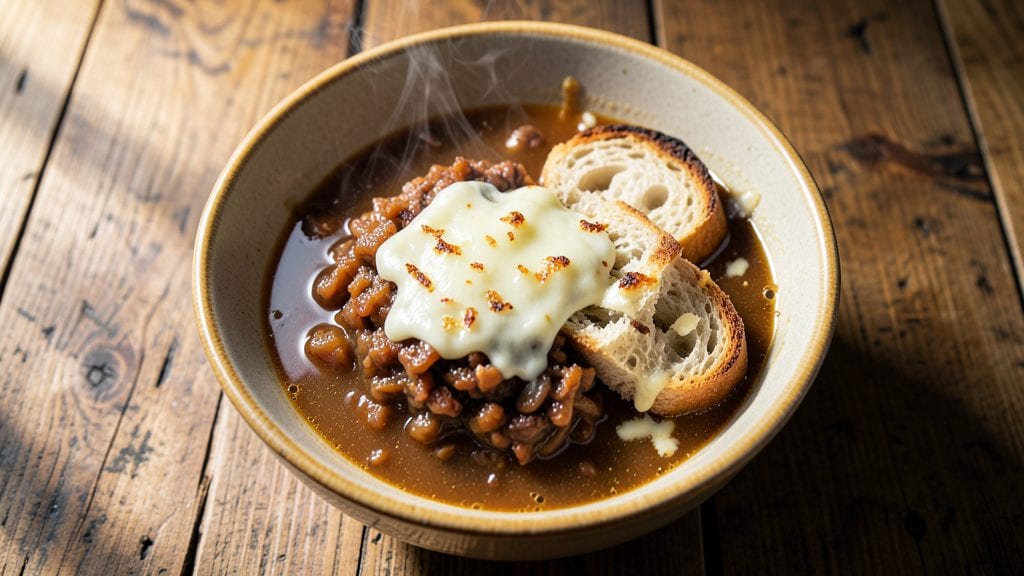
This Applebee’s French onion soup copycat recipe brings home that same rich, caramelized onion depth and gruyère-perfect melt you love. I spent months perfecting this copycat version after noticing how their signature golden crust and beefy broth stood apart from typical recipes.
The secret lies in slow caramelization and precise simmering techniques that transform simple ingredients into restaurant-quality comfort.
This recipe focuses on three critical elements: deeply caramelized onions that form a sweet, jam-like base, a bold beef broth infused with thyme and bay leaves, and a crispy cheese crust achieved through proper bread preparation and baking.
Unlike many versions that rush the onion process, we'll develop those complex sugars over at least 45 minutes of gentle cooking—trust me, it makes all the difference in flavor.
By the time you're done, you'll have a steaming bowl of soup topped with perfectly golden, crispy bread and melted gruyère that rivals the original. The aroma alone will have everyone gathering at the table, and each spoonful delivers that perfect balance of sweet onions, savory beef, and rich cheese.
This is the kind of dish that transforms an ordinary weeknight into a special occasion meal.
The best part? You can make this ahead and bake it just before serving, ensuring that crispy cheese crust stays intact.
Whether you're feeding a family or hosting dinner guests, this copycat version delivers the same comforting, crowd-pleasing results you remember from Applebee's—now with the satisfaction of making it yourself.
Ingredients for applebee's french onion soup copycat
Six pounds of onions and a handful of key ingredients transform into restaurant-style French onion soup.
| Ingredient | Amount | Notes |
|---|---|---|
| Yellow Onions 🧅 | 4 lb | Sweet or yellow, sliced thinly |
| Unsalted Butter 🧈 | ¾ cup | European-style preferred for richness |
| Beef Broth 🍲 | 6 cups | Homemade or high-quality store-bought |
| Dry White Wine 🍷 | ½ cup | Sauvignon Blanc or Chardonnay |
| Gruyère Cheese 🧀 | 2 cups | Freshly grated, not pre-shredded |
| Baguette 🍞 | 1 whole | Crusty, day-old preferred |
| Fresh Thyme 🌿 | ¼ cup | Leaves only, finely chopped |
| Bay Leaves 🌿 | 2 whole | Fresh if available |
| Garlic Cloves 🧄 | 4 cloves | Minced for depth of flavor |
| Dijon Mustard 🍯 | 1 tbsp | For subtle tang |
| Salt 🧂 | 1 ½ tsp | Diamond Crystal kosher preferred |
| Black Pepper 🌶️ | ½ tsp | Freshly cracked |
| Olive Oil 🫒 | 1 tbsp | For bread topping |
The onions are the star—4 pounds of them! Look for sweet or yellow onions with a vibrant color and firm texture. Whole Foods or Trader Joe's often carry the best quality. Slice them thinly and evenly for consistent caramelization. The butter? European-style unsalted makes all the difference—it has more flavor and higher fat content. If you can't find it, Plugrá is a solid alternative. Don't skip the wine—it adds acidity that balances the sweetness. A dry Sauvignon Blanc works perfectly, but Chardonnay is fine too.
No Gruyère? Comté or Emmental will work in a pinch, though the flavor won't be identical. Pre-shredded cheese is a no-go—it gets gummy when melted. For the broth, homemade is ideal, but Kitchen Basics or Pacific Foods make excellent store-bought options. The baguette should be crusty—day-old works best—and sliced into thick pieces for maximum crispiness. If you can't find fresh thyme, dried will do at one-third the amount. The bay leaves add depth, so don't skip them, but remove them before serving.
This soup tastes even better the next day—make a double batch if you're feeding a crowd. Store the soup (without the bread) in the fridge for up to 4 days or freeze for 3 months. For the bread topping, assemble it just before baking to keep it crispy. The cheese crust is best served immediately, so bake it fresh when ready to eat. Leftovers? Reheat gently and top with extra cheese for a quick snack.
Why You'll Love This Recipe
- No Chopping Nightmare: I swear, you can slice those onions in five minutes—just quarter them and let the slow cook do the work. No tears, no fuss, just golden layers caramelizing into rich, sweet perfection.
- Wine-Up Flavor Bomb: That splash of dry white wine? It’s the secret weapon—brightens the broth, cuts through the richness, and leaves you wondering why you ever skipped it. Gruyère on top? Absolute luxury in a bowl.
- Weeknight to Dinner Party: Same recipe, endless uses. Whip it up for a lazy Tuesday or impress guests with zero extra effort. Just add crusty bread and a side salad, and suddenly you’re hosting a bistro-worthy meal.
- Leftovers That Don’t Suck: Unlike most soups, this one improves the next day. The flavors meld, the cheese gets even gooier, and reheating takes two minutes. My freezer’s full of it—because who turns down easy, creamy comfort?
Step-by-step instructions for Applebee's French onion soup copycat
Master this iconic restaurant dish at home with layers of caramelized onions and melty Gruyère.
👨🍳 Step 1: Create the Onion Caramelization Masterpiece
Melt the 0.75 cup unsalted butter in a large Dutch oven over medium-low heat. Add the 4 lb yellow onions, sliced into even ¼-inch rounds, and stir to coat completely. The key here is patience—reduce heat to low once the onions begin to soften after about 10 minutes.
Cook for a total of 45-50 minutes, stirring occasionally, until the onions transform into a deep amber mass with a jam-like consistency. You'll know it's ready when the onions release easily from the pan and develop an intense, sweet aroma that fills your kitchen. This slow process develops the complex caramelized flavors that make this soup unforgettable. If the onions brown too quickly, reduce the heat further—you want them to melt down gradually, not burn.
🍳 Step 2: Build the Rich Broth Base
Once the onions are perfectly caramelized, stir in the 4 cloves minced garlic and cook for 30 seconds until fragrant. Deglaze the pan with the 0.5 cup dry white wine, scraping up all those delicious browned bits from the bottom. Let it simmer for 2-3 minutes until the wine reduces by half.
Add the 6 cups beef broth, 2 whole bay leaves, and 0.25 cup chopped fresh thyme. Bring to a gentle simmer and cook uncovered for 20 minutes to allow the flavors to meld. Season with the 1.5 tsp salt and 0.5 tsp black pepper. The broth should now be deeply aromatic with layers of onion sweetness and savory depth. Taste and adjust seasoning if needed—this is the foundation of your soup's incredible flavor.
🥘 Step 3: Prepare the Perfect Baguette Topping
While the soup simmers, slice the 1 whole baguette into ½-inch thick diagonal pieces. Brush each slice generously with the 1 tbsp olive oil and toast in a 375°F oven for 5-7 minutes until golden and crisp. In a small bowl, mix the 2 cups freshly grated Gruyère cheese with the 1 tbsp Dijon mustard until well combined. This cheesy mixture will create the signature golden crust when melted.
For extra flavor, sprinkle the toasted bread slices with a pinch of salt and a few grinds of black pepper. The mustard in the cheese mixture adds a subtle tang that cuts through the richness, balancing the sweet caramelized onions perfectly. Keep these ready to assemble once your soup reaches its peak flavor.
⏰ Step 4: Assemble and Bake to Perfection
Ladle the onion broth mixture into 6 oven-safe bowls, filling each about ¾ full. Place 2-3 bread slices in each bowl, then top generously with the Gruyère-cheese mixture. The cheese should be mounded high enough to create that signature golden crust when baked.
Transfer the bowls to a 375°F oven and bake for 8-10 minutes until the cheese is bubbly and golden brown on top. The edges should be crisp while the center remains creamy. For the best results, watch closely during the last 2 minutes—you want that beautiful golden crust without burning it. The cheese should pull away slightly from the edges, creating that irresistible texture contrast between crispy top and creamy soup.
🍽️ Step 5: Serve with Restaurant-Quality Flair
Remove the bowls from the oven and let sit for 2-3 minutes before serving. The residual heat will help the cheese set slightly while maintaining that gooey center. Garnish each bowl with an additional sprinkle of fresh thyme leaves and a few black pepper grinds for color and freshness.
Serve immediately with a side of the remaining toasted baguette slices on the side. The contrast between the crispy bread topping and the silky onion broth creates a textural experience that's pure comfort food perfection. Each spoonful should deliver that perfect balance of sweet caramelized onions, rich Gruyère cheese, and savory broth—just like your favorite restaurant version, but even better.
Pro Tips For Making Applebee'S French Onion Soup Copycat
- Caramelize Onions Slow: This isn’t a sprint—turn the heat to medium-low and let those onions sweat for at least 45 minutes. I used to rush it, and the soup tasted flat. The longer they caramelize, the deeper the flavor, even if it means you’ll have to resist the urge to stir every 30 seconds.
- Use Cold Wine: Chill that white wine first—it keeps the alcohol from burning off too fast when you deglaze. I learned this the hard way after a batch tasted harsh. Just pop the bottle in the fridge for 10 minutes, and the soup will thank you with a cleaner, brighter taste.
- Don’t Skip the Broth Reduction: Simmer the beef broth uncovered until it reduces by about 20%. This isn’t optional—it thickens the soup and concentrates the umami. I once skipped it because I was in a hurry, and the result was watery. Patience here makes a real difference.
- Toast the Gruyère: Grate the cheese fresh and toast it in a dry pan for 1-2 minutes until it smells nutty. Yes, it’s an extra step, but it adds a toasty depth that store-bought melty cheese can’t match. Skip this, and your cheese topping will just melt—it won’t elevate.
Regional styles of this applebee's french onion soup copycat
French-Onion Roots
This dish traces its origins to 19th-century France, where it was born in the Alsace-Lorraine region along the German border. The original version used white wine and beef broth to create a rich, hearty soup perfect for cold winters.
Applebee's adapted it with their signature caramelized onions and gruyère topping, which became their signature in the 1980s—a move that turned it into an American comfort food classic. 🌍
Southern U.S. Twist
The American version—especially Applebee's take—emphasizes deep caramelization and a crispy cheese crust, a nod to Southern U.S. comfort food traditions.
Unlike French recipes that often use baguette slices on top, Applebee's bakes the bread directly into the soup, creating a textural contrast between the creamy broth and crispy topping. This Southern-style presentation makes it a staple at diners nationwide.
Modern Fusion Adaptations
Chefs today are reimagining this classic with global influences. A Thai-inspired version replaces beef broth with coconut milk and adds lemongrass and lime zest. Another trendy twist is a vegetarian adaptation using mushroom broth and nutritional yeast for a cheesy, umami-rich topping.
For a spicy kick, some add a dash of Cajun seasoning to the caramelized onions or a drizzle of hot honey over the cheese crust. 🔥
Restaurant-Style Secrets
Applebee's version relies on slow-cooked onions (often 3+ hours) and a high-fat cheese blend for that signature golden crust. Many home cooks rush the caramelization, but taking your time develops deeper flavors.
Another pro tip: Pre-grate the Gruyère for maximum meltiness—pre-shredded cheese contains anti-caking agents that prevent a smooth, creamy finish. The restaurant version also uses unsalted butter and dry white wine to enhance sweetness without overpowering the dish.
Regional Broth Variations
In France, the broth often includes white wine, shallots, and beef marrow for richness. In the U.S., many versions use beef bouillon cubes for convenience, but homemade or high-quality store-bought broth makes a world of difference.
For a lighter version, some swap beef broth for chicken or vegetable broth, though purists argue it loses the soul of the dish. The key is balancing sweetness (onions) with savory depth (broth and cheese).
Cheese Crust Perfection
The gruyère topping is non-negotiable for authenticity—its nutty, melty texture creates that iconic golden crust. For a lactose-free option, substitute with Parmesan and mozzarella, though the flavor won’t be identical. To achieve the perfect crust, bake the soup at 375°F until the cheese is bubbly and golden.
A quick trick: Broil for 1-2 minutes** at the end for extra crispiness, but watch closely to avoid burning. 🧀
Nutrition facts
Frequently asked questions
Can I make this soup ahead of time?
Prepare the caramelized onion base and broth up to 2 days in advance and store it in the fridge. For the bread topping, toast the baguette slices and mix the Gruyère-cheese blend separately, then assemble and bake just before serving. The flavors actually improve overnight as the onions deepen in sweetness.
What can I substitute if I don't have Gruyère?
Use a blend of Comté and Emmental for the closest flavor, or swap in Parmesan and sharp cheddar (mix 1 cup each). For a vegetarian option, try nutritional yeast and vegan mozzarella, though the texture won't be identical. Always grate fresh—pre-shredded cheese won't melt as beautifully.
Why did my cheese crust turn out gummy instead of crispy?
This usually happens from one of three issues: baking too long (over 10 minutes), using pre-shredded cheese, or not toasting the bread enough. For crispiness, bake at 375°F for exactly 8-10 minutes and use freshly grated cheese. Toast the bread until golden before assembling—this creates the perfect foundation.
Can I make this soup in a slow cooker?
Yes, but with adjustments! Caramelize the onions on the stovetop first (they need direct heat), then transfer everything to the slow cooker. Cook on Low for 4-5 hours to develop flavors. For the cheese topping, assemble in oven-safe bowls and broil for 3-5 minutes at the end to crisp it up. The texture won't be identical, but it's still delicious.
How do I make the onions extra sweet and caramelized?
Use sweet onions (like Vidalia) and cook them at the lowest possible heat for 45-60 minutes. Stir occasionally and add a splash of water if they stick. For deeper flavor, deglaze with white wine after caramelizing, then reduce it completely. Patience is key—rushing this step ruins the dish!