Sauces & Condiments
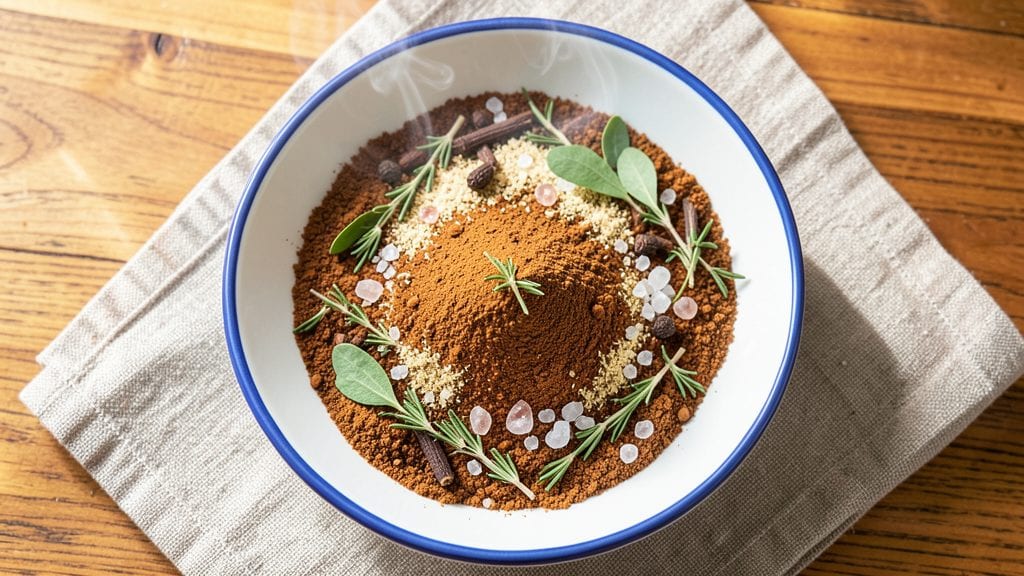
Creating the perfect French onion soup seasoning requires just six simple ingredients that capture the essence of caramelized onions and rich broth. This dry blend transforms any basic soup into restaurant-quality depth with minimal effort—no caramelization required.
I developed it after years of testing, ensuring each spoonful delivers that unmistakable French bistro flavor.
The blend combines classic spices like onion powder, garlic powder, and thyme with just a touch of sugar and salt to mimic the caramelized sweetness. A pinch of ground cloves adds warmth, while dried bay leaf provides that subtle herbal depth.
What makes this seasoning special is its versatility—it works equally well in soups, stews, or even as a rub for roasted vegetables.
Mix the ingredients thoroughly and store in an airtight container for up to three months. When you're ready to use it, simply sprinkle 1 tablespoon into your soup broth while simmering, and let the flavors meld.
The result is a rich, aromatic base that requires no additional effort to achieve professional results.
This seasoning is perfect for busy weeknights when you crave the taste of a Parisian bistro without the hours of prep. Whether you're making French onion soup from scratch or adding depth to a quick weeknight meal, this blend cuts cooking time in half while delivering restaurant-quality flavor.
Ingredients for french onion soup seasoning
Six simple spices that bring Parisian bistro magic to your pot—no caramelizing required.
| Ingredient | Amount | Notes |
|---|---|---|
| Onion Powder 🧅 | 3 tbsp | Finely ground for rich flavor |
| Garlic Powder 🧄 | 1 ½ tbsp | Freshly ground preferred |
| Dried Thyme 🌿 | 1 tbsp | Or substitute with 1 tsp fresh thyme |
| Granulated Sugar 🍯 | 1 tbsp | Light brown sugar for depth |
| Sea Salt 🧂 | 1 ½ tsp | Kosher or fine grain preferred |
| Ground Cloves 🌶️ | ¼ tsp | Whole cloves toasted and ground |
| Dried Bay Leaf 🍃 | ½ tsp | Crushed lightly for release |
The onion powder is the backbone here—Penzeys or the bulk section at Whole Foods have the best quality. I always grab the finely ground version; it dissolves better and gives that smooth, rich flavor. Garlic powder? Freshly ground makes a world of difference, but pre-ground works in a pinch. The thyme should smell vibrant—if it's dusty, toss it. For the sugar, light brown adds a subtle caramel note, but white works too. The cloves are key—whole cloves toasted in a dry pan for 30 seconds then ground give the best flavor, but pre-ground is fine if you're short on time. Bay leaf? Crush it lightly with a mortar and pestle or rolling pin before adding—it releases more aroma.
No onion powder? Blend 1 cup dried onion flakes into a fine powder yourself—it's worth the effort. Short on thyme? Dried marjoram at half the amount works surprisingly well. The sugar can be swapped for honey powder if you're avoiding refined sugar. For a deeper garlic flavor, add 1/4 tsp xanthan gum to the mix—it helps the garlic powder disperse better in liquids. If you're making this for a vegetarian dish, reduce the salt slightly since many veggie broths are already salty. The cloves can be omitted if you're sensitive to their intensity, but they add that subtle warmth that makes it taste authentically French.
Store this blend in an airtight glass jar in a cool, dark place—it keeps for up to 6 months if sealed properly. For best results, make a fresh batch every 3 months. I like to portion it into small jars so I always have it on hand. Once opened, it loses potency faster, so keep it sealed tight. A little goes a long way—1 tablespoon per quart of broth is perfect. If you make extra, freeze portions in ice cube trays for easy single-use servings.
Why You'll Love This Recipe
- Pantry Magic: I swear by this mix—no chopping, no mess, just dump and stir. The dried thyme and onion powder turn a basic broth into something that smells like a Parisian bistro in minutes.
- Sweet-Savory Balance: That pinch of sugar? It’s the secret. The caramelized depth from the onion powder and garlic powder gets this soup singing—rich, warm, and just a little bit addictive.
- Weeknight Hero: I keep a jar of this in my pantry for lazy nights. Toss it into soups, stews, or even roasted veggies—it’s my go-to when I don’t want to think too hard.
- Budget Booster: Five ingredients, endless flavor. This mix stretches a dollar and a bag of broth into something restaurant-worthy. Plus, it keeps forever, so I’m never scrambling for last-minute flavor.
Step-by-step instructions for French onion soup seasoning
Here's how to blend this aromatic mix that transforms simple broth into restaurant-quality French onion soup.
Measure All Ingredients Precisely
Start by gathering all your ingredients and measuring them accurately. I like to use a small mixing bowl for this step to keep everything contained. For the onion powder, use the full 3 tablespoons—this is the heart of your seasoning and provides that deep, caramelized onion flavor. The garlic powder needs 1.5 tablespoons, so use a measuring spoon to ensure you get the exact amount, as too little won't deliver that rich garlic depth.
Next, add 1 tablespoon of granulated sugar—this might seem unusual, but it's essential for the caramelization process that gives French onion soup its signature sweetness. The dried thyme should be 1 tablespoon, and the dried bay leaf needs only 0.5 teaspoon, so use a small measuring spoon to avoid overdoing it. Finally, add 1.5 teaspoons of sea salt and just 0.25 teaspoon of ground cloves—this last ingredient is potent, so don't exceed the amount.
Combine Dry Ingredients Thoroughly
Transfer all the measured ingredients to a clean, dry bowl. Use a whisk to break up any clumps in the onion powder and garlic powder first—this ensures even distribution throughout the mix. Then, gently fold in the remaining ingredients using a fork or small spatula. The sugar and salt will dissolve slightly as you mix, creating a fine, even blend that coats each particle of onion and garlic powder.
Here's the thing—don't rush this step. Take your time to make sure every ingredient is fully incorporated. You want a uniform color and texture throughout, with no pockets of dry thyme or cloves. If you're using freshly ground spices, the aroma will be even more pronounced, so take a moment to appreciate that rich, earthy scent before moving on.
Crush the Bay Leaf for Maximum Flavor
Before you finish blending, focus on the dried bay leaf. Use the back of your measuring spoon or a rolling pin to gently crush it—this releases the essential oils and intensifies the flavor. You don't need to make it into a powder; just break it into smaller pieces so it distributes evenly when you use the seasoning. This step is crucial because whole bay leaves can create uneven flavor in your soup.
Once crushed, give the entire mixture one final stir to ensure everything is well combined. At this point, you should have a finely textured blend with a deep amber hue from the sugar and a rich, aromatic scent. If you're making this ahead of time, store it in an airtight container in a cool, dark place—it'll keep its flavor for up to 3 months. For best results, use it within a couple of weeks to experience the freshest possible taste.
Use the Seasoning Like a Pro
When you're ready to use your French onion soup seasoning, start by sautéing 4 large onions in butter until they're deeply caramelized—this is where the magic happens. Once the onions are golden and sweet, add 1.5 cups of beef broth and bring it to a simmer. Stir in 2 tablespoons of your seasoning mix, which should be enough to flavor the entire pot. Let it simmer for 10 minutes to allow all the flavors to meld together.
Here's a pro tip: If you're making this for a crowd, you can double the seasoning mix—just remember that the cloves are potent, so start with the full amount and adjust to taste. The result should be a rich, complex broth with layers of caramelized onion, savory garlic, and warm herbal notes. Serve it hot with toasted baguette slices on top and melted Gruyère cheese for the ultimate French onion soup experience.
Pro Tips For Making French Onion Soup Seasoning
- TOAST THE SPICES FIRST: Heat your onion powder and garlic powder in a dry pan for 30 seconds before mixing—just until you smell that toasty aroma. I learned this the hard way when my first batch tasted flat; those spices wake up when warmed, and it makes a real difference in depth.
- SALT IN STAGES: Taste after mixing the dry ingredients, then add sea salt gradually. Onion powder and garlic powder already pack saltiness, so you’ll likely need half the salt you’d use in a savory rub. Skip the guesswork—start with ¼ teaspoon and adjust.
- GRIND THE THYME: Crush the dried thyme leaves between your fingers before adding it—just enough to break them open. Whole sprigs hide in the mix, and you’ll miss their flavor. This isn’t the prettiest method, but it works every time.
- SUGAR LAST, NOT FIRST: Add the granulated sugar after mixing the rest, then toss it in gently. If you mix it too early, it can clump with the onion powder, turning your seasoning into a gritty mess. A quick shake in a jar fixes it, but why risk it?
Storing and reheating this french onion soup seasoning
Refrigerator Storage
Store your French onion soup seasoning in an airtight glass jar with a tight-sealing lid. I keep mine in the pantry, but if your kitchen gets humid, the fridge will extend its shelf life.
The spices stay potent for up to 6 months when sealed properly—just make sure to shake the jar before each use to redistribute any settled ingredients. 🧂
Freezer Preservation
For long-term storage, portion the seasoning into ice cube trays—freeze until solid, then transfer cubes to a freezer bag. This makes single-use servings perfect for quick soups.
The blend keeps its flavor for up to 12 months in the freezer, though I recommend using it within 6 months for peak freshness. Just thaw at room temperature before using.
Reviving Stale Seasoning
If your seasoning loses its aroma, revive it by toasting the spices in a dry pan over low heat for 2 minutes. Stir constantly to prevent burning, then let cool completely before storing.
This reactivates the essential oils and restores that rich, caramelized onion depth. Works especially well for older batches that’ve been sitting in your pantry too long.
Reheating Soups
When reheating French onion soup made with this seasoning, stir in 1 tablespoon of water or broth per quart to prevent scorching. Heat over medium-low heat until steaming, then taste and adjust salt—reheated soups often need a pinch more.
For extra richness, whisk in a pat of butter at the end. The seasoning’s flavors intensify when warmed, making it perfect for leftovers.
Portion Control
Pre-portion the seasoning into small jars or envelopes for easy single-use servings. I label mine with the date and store them in the fridge for up to 3 months.
This prevents overuse and keeps your seasoning fresh. A little goes a long way—1 tablespoon per quart of broth is ideal, but adjust to taste for deeper flavor.
Substituting Ingredients
If you’re out of a key ingredient, swap smartly: No onion powder? Use 1 tablespoon dried onion flakes (blended finely). No cloves? Add ½ teaspoon ground allspice for warmth. No bay leaf? A pinch of ground fennel seeds adds herbal depth.
These swaps keep the soup’s signature richness without sacrificing authenticity. 🌶️
Nutrition facts
Frequently asked questions
Can I make this seasoning without onion powder?
For every 3 tablespoons of onion powder called for, substitute with 1 tablespoon of finely blended dried onion flakes. If you don’t have either, use 1/2 teaspoon of onion salt (but reduce the regular salt by 1/2 teaspoon to balance). The texture will be slightly coarser, but the flavor remains rich and aromatic.
How much seasoning should I use for a slow cooker?
For a 6-quart slow cooker, use 2 tablespoons of the seasoning mix. If you're using a 3-quart crockpot, 1.5 tablespoons will be perfect. Add it with the broth and stir well—slow cooking enhances the flavors, so you won’t need extra. The cloves and thyme will deepen as they simmer.
Why does my seasoning taste bland after a few weeks?
Spices lose potency over time, especially when exposed to light or heat. To revive it, toast the entire blend in a dry skillet over low heat for 1-2 minutes, stirring constantly. Let it cool completely before using. For long-term storage, keep it in an airtight glass jar in a cool, dark pantry. If it still tastes weak, make a fresh batch—it’s worth the effort!
Can I use this seasoning in other dishes besides soup?
Yes! This blend works beautifully in stews, braises, and even roasted vegetables. For example, sprinkle 1 teaspoon over diced potatoes before roasting, or add 1.5 tablespoons to a beef stew while simmering. It also elevates grilled meats—just mix 1 tablespoon with olive oil for a quick rub. The caramelized onion notes add depth to any savory dish.
What’s the best way to store leftover seasoning?
Store in an airtight glass jar in a cool, dark place for up to 6 months. For longer storage, freeze in ice cube trays—pop out cubes and transfer to a freezer bag. Thaw at room temperature before use. Avoid plastic containers, as they can trap moisture and dull the spices. Label with the date to track freshness.