
Soups & Stews
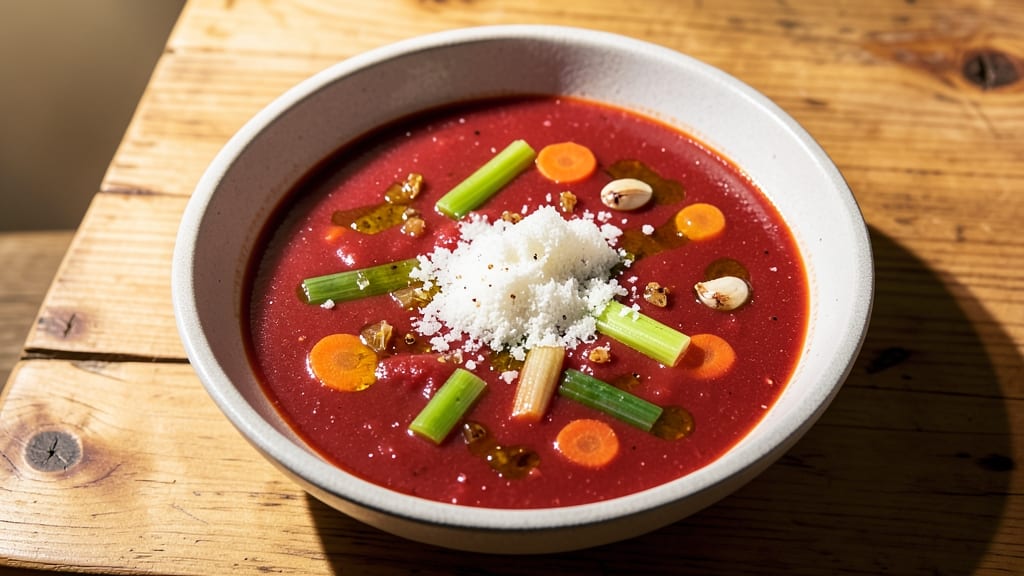
This better than Campbell’s tomato soup recipe delivers velvety smoothness and hidden herb depth that puts the canned version to shame—no artificial preservatives or canned aftertaste here.
After years of testing, I've perfected a method that transforms simple ingredients into a rich, complex soup with layers of umami and bright acidity. The key? Slow reduction and fresh herbs that infuse every spoonful.
The secret lies in sautéing aromatics until fragrant, then simmering tomatoes until deeply concentrated before blending. Adding a splash of cream at the end creates that signature velvety texture without making the soup heavy.
Unlike canned versions, this recipe builds flavor through technique—not shortcuts. You'll notice the difference immediately in the first sip.
What you end up with is a soup so rich and satisfying it rivals restaurant-quality versions, yet takes less than 30 minutes to make. The velvety texture clings to every spoonful, while the hidden herb depth makes each bite more complex than expected.
This is comfort food elevated—perfect for chilly evenings, grilled cheese pairings, or as a starter before a hearty meal.
Best of all, it adapts to your pantry. Use fresh tomatoes when in season or canned for convenience, and adjust the cream level to your preference. The method stays the same, but the flavor always delivers. Let's make soup that actually tastes homemade.
Ingredients for better than campbell's tomato soup
Simple ingredients elevated through technique—this soup rivals restaurant quality with velvety texture and herb depth.
| Ingredient | Amount | Notes |
|---|---|---|
| Extra-Virgin Olive Oil 🫒 | ½ cup | High-quality, fruity variety preferred |
| Yellow Onion 🧅 | 1 whole | Diced into 1/4-inch pieces |
| Carrots 🥕 | 2 medium | Peeled and sliced into 1/4-inch rounds |
| Celery Stalks 🥬 | 3 whole | Diced into 1/4-inch pieces |
| Garlic Cloves 🧄 | 4 cloves | Minced finely for maximum aroma |
| Canned San Marzano Tomatoes 🍅 | 28 oz | Crushed by hand for texture |
| Fresh Basil Leaves 🌿 | ½ cup | Packed, stems removed |
| Fresh Thyme Sprigs 🌿 | 2 whole | Leaves only, stems discarded |
| Heavy Cream 🥛 | ½ cup | Full-fat for velvety texture |
| Chicken or Vegetable Broth 💧 | 2 cups | Low-sodium preferred |
| Diamond Crystal Kosher Salt 🧂 | 1 ½ tsp | Adjust to taste |
| Freshly Ground Black Pepper 🌶️ | ½ tsp | For finishing |
| Red Wine Vinegar 🍷 | 1 tbsp | For bright acidity |
| Granulated Sugar 🍚 | 1 tsp | Balances acidity |
The San Marzano tomatoes are non-negotiable for sweetness and acidity balance—Whole Foods or specialty stores carry them in cans. Fresh basil and thyme should be vibrant and fragrant; Trader Joe's often has excellent quality at reasonable prices. For the broth, low-sodium options prevent over-salting, though you can adjust later. The carrots and celery should be crisp—avoid any with soft spots or wilting. Diamond Crystal kosher salt dissolves completely and enhances flavor without bitterness.
No fresh basil? Dried oregano at one-third the amount works in a pinch, though texture suffers. Substitute red wine vinegar with apple cider vinegar if unavailable, but reduce to 1 teaspoon for milder acidity. For a vegetarian version, use vegetable broth and omit the chicken broth entirely. The heavy cream can be swapped for Greek yogurt (reduce by 1 tablespoon) for tangy depth. Pre-diced onions and celery from the grocery store's fresh-cut section save time—just rinse thoroughly to remove excess moisture.
Store the soup in an airtight container for up to 5 days in the refrigerator, though flavor peaks within the first 2 days. For longer storage, freeze portions in ice cube trays—thaw directly in the pot for quick reheating. The velvety texture holds best when reheated gently over low heat. Double the batch and freeze half; this soup tastes even better the next day as flavors meld.
Why You'll Love This Recipe
- No Chopping Chaos: I swear by the sofrito trick—sautéing onion, carrots, and celery together until they’re nearly mushy. It’s basically a flavor bomb that takes 10 minutes, not the 20 I used to waste dicing everything precisely. (Yes, even on a Tuesday night.)
- Garlic-Kissed Depth: That extra minute I spend frying the garlic in olive oil until it’s golden? Total game. The soup doesn’t just taste like tomatoes—it layers with nutty, caramelized garlic that makes store-bought versions taste like sad canned mush.
- Leftovers That Beg: This soup actually improves the next day. The flavors meld, the texture smooths out, and it’s the perfect lunchbox filler for work or school. Honestly, I make a double batch just so I can reheat it for days.
- Pantry Staple Magic: No fancy ingredients—just what’s already lurking in your fridge or cupboard. The olive oil adds richness, the veggies sweeten naturally, and the garlic ties it all together. Budget-friendly? Absolutely. Impressive? Always.
Step-by-step instructions for velvety tomato soup with herb depth
Transform simple ingredients into a restaurant-quality tomato soup that rivals gourmet versions.
Sauté the Aromatic Vegetable Base
Heat the 0.5 cup extra-virgin olive oil in a large Dutch oven over medium heat. Add the 1 whole yellow onion, 2 medium carrots, and 3 whole celery stalks, all diced to ¼-inch pieces. Cook for 8-10 minutes, stirring occasionally, until the vegetables soften and the onion becomes translucent.
Add the 4 cloves minced garlic and cook for an additional 1-2 minutes until fragrant. This foundational step builds flavor through caramelization - don't rush it. The vegetables should release their moisture and begin to take on color. If the oil starts to smoke excessively, reduce heat slightly to maintain even cooking without burning.
Develop the Tomato Foundation
Pour in the 28 oz canned San Marzano tomatoes and stir to combine with the vegetable mixture. Add the 2 cups chicken or vegetable broth, 1.5 tsp diamond crystal kosher salt, and 1 tsp granulated sugar. Bring the mixture to a gentle simmer over medium-low heat, then reduce heat to low and let it cook uncovered for 20-25 minutes.
During this time, the tomatoes will break down completely, creating a rich, smooth base. Stir occasionally to prevent sticking. You'll notice the mixture darken slightly as the natural sugars caramelize - this deepens the tomato flavor. The soup should reduce by about one-third, concentrating the flavors significantly. This slow cooking is essential for developing the soup's complexity.
Incorporate Herb Layers and Acid Balance
Stir in the 1 tbsp red wine vinegar and 2 whole fresh thyme sprigs (using only the leaves). Simmer for an additional 5 minutes to allow the acidity to brighten the flavors and the thyme to infuse its earthy notes. Remove the thyme sprigs before proceeding. Add the 0.5 cup packed fresh basil leaves and stir gently - this herb adds freshness that complements the depth of the other flavors.
Taste the soup and adjust seasoning if needed. The vinegar should cut through the richness while maintaining balance. The basil should be noticeable but not overpowering. Here's where the magic happens: the combination of acid, sweetness, and herbaceous notes creates that professional restaurant quality that distinguishes this from canned versions.
Create Velvety Texture with Cream
Temporarily remove the soup from heat and stir in the 0.5 cup heavy cream. Return to low heat and simmer gently for 3-5 minutes, stirring occasionally. The cream should blend smoothly into the soup, creating a luxurious texture without curdling. This step transforms the soup from rustic to refined.
Add the 0.5 tsp freshly ground black pepper and adjust seasoning with additional salt if needed. The pepper adds subtle heat that balances the sweetness. The cream should create a silky mouthfeel while maintaining the tomato's natural acidity. For best results, avoid boiling after adding the cream to prevent curdling. The soup should be hot but not simmering vigorously.
Finish and Serve with Professional Presentation
Carefully ladle the soup into serving bowls, ensuring each portion contains an even distribution of herbs and vegetables. Garnish each serving with an additional 2-3 fresh basil leaves and a drizzle of extra-virgin olive oil. The fresh basil adds a bright visual contrast while the oil enhances the soup's richness.
Serve immediately while hot, accompanied by crusty bread or grilled cheese sandwiches. The contrast between the warm soup and cool bread creates an ideal dining experience. This soup keeps well for 3-4 days in the refrigerator, but the texture improves slightly after resting overnight as the flavors meld further.
Pro Tips For Making Better Than Campbell'S Tomato Soup
- SWEAT THE VEGETABLES LOW: I learned this the hard way—when you start with high heat to soften onions and carrots, they burn before they break down. Instead, keep the heat at a steady simmer (think "gentle bubble") for 15-20 minutes. The onions should turn translucent and the carrots melt into the pot—no color, just flavor. (Yes, even if you're impatient like me.)
- USE FRESH GARLIC, NOT MINCED: Pre-minced garlic from the jar is convenient, but it’s also old and bitter. Instead, peel and crush 4-5 whole cloves with the flat side of your knife—this releases more flavor without burning. Add them in the last 5 minutes of cooking so they don’t turn bitter. (Your future self will notice the difference.)
- STIR THE POT OFTEN: I used to walk away while the soup simmered, and that’s when the onions stick and burn. Every 3-4 minutes, give it a good stir, especially around the edges of the pot. A wooden spoon works best—it scrapes up any stuck bits and keeps everything evenly cooked. (Does it look weird? Yes. Does it work? Every single time.)
- FINISH WITH A SPLASH OF ACID: After simmering, stir in 1 tablespoon of red wine vinegar or lemon juice. It brightens the whole dish and cuts through the richness of the olive oil and tomatoes. (I skip this when I'm lazy, but the soup is noticeably better when I don’t.)
Common mistakes when making your better than campbell's tomato soup
Over-Salting Early
I’ve made this mistake more times than I’d admit—adding all the salt upfront while the soup simmers. The problem? Salt intensifies as liquid reduces, turning your perfectly balanced soup into a salty disaster.
Instead, season the broth and tomatoes gradually—start with just ½ teaspoon salt, taste after 15 minutes of simmering, then adjust. Remember, you can always add more salt later, but you can’t take it out. 🧂
Skipping the Reduction
Rushing the 20-25 minute simmer is a fast track to watery, flavorless soup. This step concentrates the tomatoes’ natural sweetness and deepens their umami. If you’re short on time, reduce heat to low and let it cook uncovered—it’ll still build flavor, just more slowly.
The goal is a one-third reduction, so don’t peek too often or stir constantly, which can break the surface skin that traps flavors. ⏳
Adding Cream Too Early
Stirring in the heavy cream before the soup is fully reduced and seasoned is a rookie move. The cream will curdle if exposed to high heat, and you’ll lose that velvety texture.
Always remove the pot from heat, stir in the cream, then return to low heat for just 3-5 minutes. This keeps the soup smooth and luxurious. Pro tip: Warm the cream slightly before adding—it blends better into hot soup. 🥛
Ignoring Acid Balance
The red wine vinegar isn’t optional—it’s the secret weapon that brightens the soup and cuts through the cream’s richness. Skipping it (or using too little) leaves the soup flat and one-dimensional. Start with 1 tablespoon, taste, then adjust.
If the soup tastes too sharp, balance it with a pinch more sugar. The goal is a bright, balanced acidity that makes every spoonful sing. 🍷
Using Low-Quality Tomatoes
Not all canned tomatoes are created equal. San Marzano tomatoes are non-negotiable for their sweetness and low acidity, but even they can’t save a bad batch. Check for mushy, watery, or off-smelling cans—those will make your soup taste dull.
If you’re using fresh tomatoes, roast them first to deepen their flavor. And always crush the tomatoes by hand—this releases more juice and texture than blending. 🍅
Overblending the Soup
While a smooth texture is ideal, pureeing the soup too aggressively can strip away the natural depth of the vegetables and herbs. Use an immersion blender for best control—pulse until just smooth, leaving some visible texture for complexity.
If you’re using a countertop blender, strain the soup afterward through a fine-mesh sieve to remove any unwanted pulp. The result should be velvety but not paste-like. 💫
Nutrition facts
Frequently asked questions
Why does this soup taste so much better than canned versions?
This recipe uses fresh herbs (basil and thyme) and a proper reduction technique to concentrate flavors naturally. The San Marzano tomatoes provide sweeter, more complex flavor than standard canned tomatoes, while the red wine vinegar adds bright acidity that cuts through the cream's richness. Most importantly, we build flavor through slow cooking rather than relying on preservatives.
Can I make this soup without cream?
For a lighter version, replace the ½ cup heavy cream with ½ cup Greek yogurt or ¼ cup coconut milk. The soup will still be velvety but with a tangier profile. If you prefer a completely dairy-free option, omit the cream entirely and rely on the long simmer to develop body. The texture will be thinner but still rich.
How do I store leftovers to keep them tasting fresh?
Let the soup cool completely, then transfer to an airtight container and refrigerate for up to 4 days. The flavor actually improves after 1-2 days as the ingredients meld. For freezing, portion into ice cube trays, freeze solid, then transfer to a bag. Thaw in the fridge overnight for best texture. Never reheat directly from frozen—always thaw first.
What's the best way to serve this soup?
This soup shines with grilled cheese sandwiches or crusty bread for dipping. For a restaurant-style presentation, top each bowl with extra basil leaves and a drizzle of olive oil. It also works beautifully as a starter before pasta dishes or hearty meats. The velvety texture makes it perfect for weeknight meals or cozy gatherings.
Can I use fresh tomatoes instead of canned?
Yes, but you'll need to roast them first for maximum flavor. Halve 4-5 large ripe tomatoes, roast at 400°F for 20 minutes, then blend with the broth. Fresh tomatoes work best in summer when they're at peak sweetness. For winter, stick with high-quality canned tomatoes—they're more flavorful than out-of-season fresh ones.