
Soups & Stews
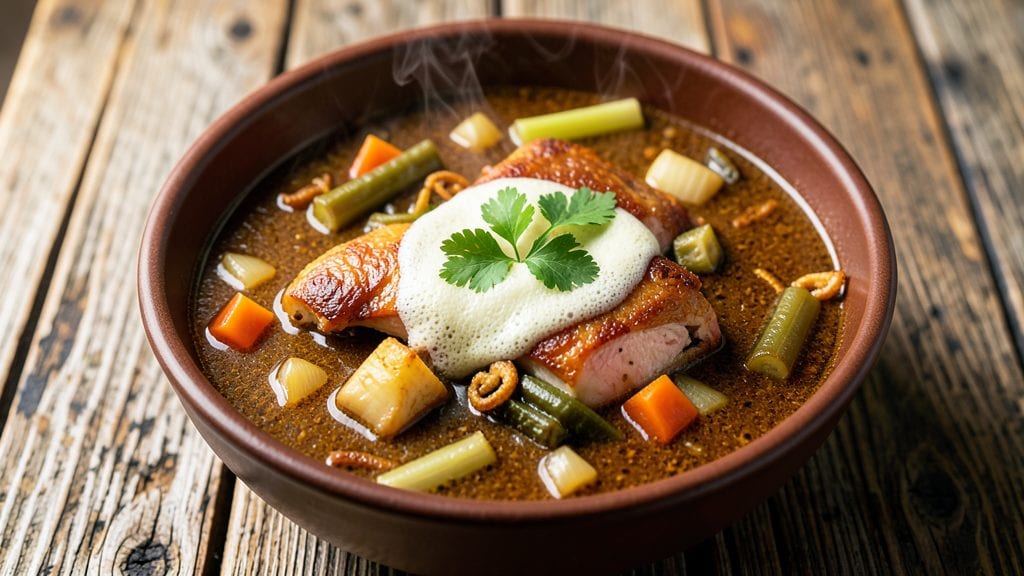
Mastering Campbell's Chicken Gumbo Soup copycat recipe means unlocking the secret of that signature smoky roux—where flour and fat transform into a flavor bomb that defines Southern comfort food.
Growing up in small-town Georgia, I learned how a properly developed roux could turn simple ingredients into something extraordinary, and this recipe captures that essence perfectly.
The key lies in patience and temperature control, letting the roux darken to a deep chocolate brown without burning, which builds the rich, complex base that makes this soup unforgettable.
What sets this copycat version apart is replicating the exact ingredient ratios and cooking techniques that give Campbell's soup its signature depth. We're talking about tender chicken, okra for that signature gumbo texture, and the classic "holy trinity" of bell peppers, celery, and onions that form the flavor foundation.
The spices—smoked paprika, thyme, and bay leaves—are balanced precisely to deliver that familiar, comforting taste in every spoonful, while the roux development creates that velvety, slightly smoky richness that's impossible to resist.
By the time you finish this recipe, you'll have a pot of soup that delivers restaurant-quality gumbo flavor at home, with that perfect balance of tender chicken, hearty vegetables, and a broth so rich it practically sings.
The secret to achieving this lies in the roux—cooking it slowly to develop those deep, caramelized flavors without burning—and letting all the ingredients meld together over time. This isn't just soup; it's a taste of Southern tradition in every bowl.
The best part? This recipe scales beautifully for feeding a crowd, making it perfect for family gatherings or potlucks. The flavors only improve with time, so it reheats beautifully for leftovers.
Once you taste the difference between this homemade version and the store-bought original, you'll never go back to the canned version again. Let's get cooking and recreate that iconic gumbo flavor at home.
Ingredients for campbell's chicken gumbo soup copycat
Sixteen ingredients. One legendary roux. The secret to Campbell's iconic gumbo flavor starts here.
| Ingredient | Amount | Notes |
|---|---|---|
| Chicken Thighs 🍗 | 2 ½ lb | Bone-in, skin-on for flavor |
| All-Purpose Flour 🌾 | ½ cup | White flour, not self-rising |
| Vegetable Oil 🫒 | ½ cup | For roux development |
| Yellow Onion 🧅 | 1 whole | Diced, medium size |
| Green Bell Pepper 🌶️ | 1 whole | Diced, medium size |
| Celery Stalks 🥬 | 3 whole | Diced, medium size |
| Garlic Cloves 🧄 | 4 cloves | Minced, fresh preferred |
| Fresh Okra 🥦 | 1 lb | Trimmed, sliced into rounds |
| Dried Thyme 🌿 | 1 tbsp | Or 1 tsp fresh thyme |
| Dried Bay Leaves 🍃 | 2 whole | Crushed lightly |
| Smoked Paprika 🌶️ | 1 tbsp | For authentic smoky flavor |
| Salt 🧂 | 1 ½ tsp | Diamond Crystal preferred |
| Canned Diced Tomatoes 🍅 | 14 ½ oz | No salt added preferred |
| Chicken Broth 💧 | 4 cups | Low-sodium preferred |
| Black Pepper 🌶️ | ½ tsp | Freshly ground |
The roux is non-negotiable—this is where the magic happens. Vegetable oil gives you that smooth, even cooking surface, but butter works too if you prefer. The key is patience: cook the flour and fat on medium-low until it's a deep, chocolate-brown color—about 20-25 minutes. No rush! I always use Bob's Red Mill all-purpose flour for the best texture, and Mazola vegetable oil because it's neutral and reliable. The chicken? Bone-in, skin-on thighs give you that rich, gelatinous broth that separates this from store-bought. Don't skimp here—it's the heart of the soup.
No smoked paprika? Substitute a mix of regular paprika and a pinch of liquid smoke—it's not identical, but it gets you close. Fresh thyme is ideal, but dried works at one-third the amount. The okra can be tricky—if you're avoiding it, substitute 1 cup frozen peas for texture. For the holy trinity (onion, bell pepper, celery), frozen chopped veggies work in a pinch, but fresh tastes worlds better. The canned tomatoes? Muir Glen or Hunt's no-salt-added are my go-tos—they're consistent and reliable. And if you're scaling this up for a crowd, double the roux ingredients but keep the cooking time the same.
This soup tastes even better the next day—trust me, I've tested it. Store leftovers in airtight containers for up to 5 days, or freeze for 3 months. The roux thickens as it cools, so I always add a splash of broth when reheating. For serving, I like to garnish with a little extra smoked paprika and a sprinkle of fresh parsley if I've got it. The broth reduces beautifully, so if you're making this ahead for a party, reduce by half before serving—it'll be rich and velvety, just like the canned version but so much better.
Why You'll Love This Recipe
- One-Pot Magic: I swear by this recipe because it’s literally one pot. No chopping mountains of veggies—just dice an onion, slice a bell pepper, and toss in the chicken thighs. The roux handles the rest while you stir for five minutes. That’s it. (Yes, even on a Tuesday night.)
- Roux Perfection: Between us, the key here is that golden roux—dark enough to sing but not burned into oblivion. It’s what turns this into something ridiculously rich, with that deep, savory backbone that makes store-bought soup look like a sad afterthought. Trust the process, and you’ll get it right.
- Leftover Legend: This soup begs to be made in bulk. The flavors actually get better the next day as everything melds together. I keep a jar in the fridge for lazy mornings—just reheat, add a splash of water, and boom, instant comfort. My roommate still asks for seconds, even after three helpings.
- Budget-Friendly Feast: Chicken thighs are cheap, flour’s a pantry staple, and onions/peppers don’t break the bank. For under $10, you feed four people a meal that feels like a restaurant dish. Honestly, it’s my go-to when money’s tight but I still want something hearty and satisfying. No compromises.
Step-by-step instructions for smoky roux secrets in chicken gumbo
Here's how to build that iconic Campbell's-inspired roux foundation for a gumbo so rich it'll transport you to a Louisiana bayou.
Develop the Signature Dark Roux
Heat the 0.5 cup vegetable oil in a heavy-bottomed Dutch oven over medium heat. Add the 0.5 cup all-purpose flour all at once and whisk continuously for 5 minutes until the mixture turns a golden brown color. This is where the magic begins—the roux will transform from pale to nutty brown, releasing that unmistakable toasted aroma.
Watch carefully as it deepens to a chocolate brown—this takes another 10-15 minutes of constant stirring. The key is patience; rushing this step will burn the roux and make your gumbo taste bitter. When it reaches that perfect dark brown stage, you'll smell that rich, almost caramelized depth that defines authentic gumbo flavor. Immediately add the 1 whole yellow onion, 1 whole green bell pepper, and 3 whole celery stalks to coat in the roux—this prevents burning and builds flavor layers.
Brown the Chicken and Build the Base
Push the vegetables to the sides of the pot and add the 2.5 lb chicken thighs, skin-side down. Cook for 5-6 minutes until the skin is crispy and golden brown. Flip the thighs and cook another 4-5 minutes until the meat reaches 165°F internally. Remove the chicken and set aside—it'll finish cooking in the simmering broth.
In the same pot, add the 4 cloves minced garlic and cook for 30 seconds until fragrant. Immediately add the 1 tbsp smoked paprika, 1 tbsp dried thyme, 2 whole crushed dried bay leaves, 1.5 tsp salt, and 0.5 tsp black pepper. Stir for 1 minute to toast the spices and release their essential oils—this step intensifies the smoky, aromatic profile that makes this gumbo taste like a classic.
Simmer the Gumbo to Perfection
Pour in the 14.5 oz canned diced tomatoes and 4 cups chicken broth, stirring to deglaze the pot and incorporate all the browned bits. Bring to a gentle boil, then reduce heat to low and simmer uncovered for 30 minutes. This slow simmer allows the flavors to meld and the roux to fully incorporate into the broth, creating that velvety, rich base.
Return the chicken thighs to the pot, skin-side up, and add the 1 lb sliced fresh okra. Simmer for another 20 minutes until the chicken is tender and the okra is just tender-crisp. The okra should still have a slight bite—overcooking turns it mushy. Taste and adjust seasoning; you might need a touch more salt to balance the acidity from the tomatoes.
Finish with Flavor Layers
Remove the chicken thighs and shred the meat using two forks, discarding the skin and bones. Return the shredded chicken to the pot and stir gently to combine. Let the gumbo simmer for an additional 10 minutes to ensure all flavors are fully integrated. The final texture should be thick but still spoonable—if it's too thick, whisk in 2-3 tablespoons of hot water to reach your desired consistency.
Serve immediately with steamed white rice or crusty bread to soak up every last drop of that smoky, roux-rich broth. The okra adds a delightful texture contrast, while the dark roux delivers that unmistakable depth that makes this gumbo taste like a true Louisiana classic. The key to success? That dark roux—don't skip the stirring, and don't rush the color development. It's worth every minute of your time.
Pro Tips For Making Campbell'S Chicken Gumbo Soup Copycat
- Brown the Chicken First: Skip the direct dump-and-simmer approach—pat those chicken thighs very dry, then sear them in vegetable oil over medium-high heat until golden brown on both sides. I learned this the hard way after making gumbo that tasted more like a broth than a roux-based flavor bomb. The crust locks in moisture and adds depth that no amount of flour can replicate later.
- Dice Onion Like a Pro: Tiny, even dice—no bigger than ¼-inch—so the onion melts into the roux instead of sitting as chunks. I used to chop roughly, and those little onion bits would linger like unwanted guests. Use a sharp knife and work in batches if needed; this isn’t the time to rush. The goal is a smooth, velvety base, not a gumbo with texture surprises.
- Whisk the Roux Relentlessly: Once you add the flour to the oil, stop stirring and let it bubble hard for 2-3 minutes before whisking constantly. After burning three batches of roux, I finally understood: heat builds slowly, and a lazy stir means missed color. Keep that whisk moving in figure-eights, and you’ll get that perfect peanut-butter hue without the smoke alarm going off.
- Simmer, Don’t Boil: Once the gumbo hits the pot with broth and chicken, keep it at a gentle simmer—tiny bubbles at the edges, not a rolling boil. I used to crank the heat, and the soup would turn cloudy and lose its rich flavor. Low and slow (about 30 minutes) lets the roux’s flavors marry with the chicken instead of scrambling them. Patience here makes all the difference.
Troubleshooting perfect results
Roux Burned or Bitter
If your roux turns bitter or burns, you've likely rushed the cooking process. The key is constant stirring on medium-low heat—never walk away! I once watched a batch turn bitter because I stepped out for just 2 minutes.
The solution? Start over with fresh oil and flour, but this time, set a timer for 20-25 minutes and focus solely on stirring. A properly developed roux should smell nutty and toasty, not acrid. 🌡️
For a quick fix if you've already burned it: Add 1 cup of broth to deglaze the pot, then strain out the burnt bits. While this won't replicate the perfect roux, it'll still give you a flavorful gumbo—just expect a slightly different texture.
Next time, invest in a heavy-bottomed Dutch oven like a Lodge cast iron to prevent hot spots that cause burning.
Broth Too Thin
A watery gumbo usually means the roux didn't cook long enough or too much liquid was added. If your soup is too thin, simmer it uncovered for an additional 15-20 minutes to reduce the broth naturally.
For a faster fix, whisk in 1-2 tablespoons of cornstarch mixed with 2 tablespoons of cold water until thickened. I've also used 1 tablespoon of tomato paste to add body and depth without altering the flavor.
To prevent this in the future, measure your liquids carefully and resist the urge to add extra broth. The roux should thicken the soup naturally—if it's not holding, your roux needs more development time. A properly made dark roux will create a velvety, rich base that doesn't require extra thickening.
Okra Too Mushy
Okra turns mushy when overcooked, which happens if it sits too long in the simmering broth. The goal is tender-crisp, not soft.
If your okra is already too soft, drain some of the broth into a separate bowl, then blend the okra with ½ cup of the reserved broth until smooth. Stir this back into the gumbo—it'll thicken slightly and mask the mushiness. 🥦
For future batches, add the okra late in the cooking process (the last 10-15 minutes) and keep the heat at a gentle simmer. If you're avoiding okra entirely, substitute 1 cup of frozen peas or ½ cup of diced zucchini for texture.
These veggies hold up better to longer cooking times while still adding a pleasant bite.
Chicken Too Tough
Tough chicken usually means it wasn't cooked long enough in the broth or was overcooked during the browning stage. To fix this, remove the chicken from the gumbo, shred it, and return it to the pot.
Simmer for an additional 10-15 minutes to let the meat reabsorb some of the broth and become more tender. If it's still tough, try braising the chicken separately before adding it to the gumbo next time—simmer it in broth for 30 minutes before incorporating it into the soup.
Prevent this by ensuring your chicken reaches 165°F internally during the browning stage, then finishes cooking in the broth. Bone-in, skin-on thighs are ideal because the bones and skin infuse the broth with gelatin and fat, resulting in a richer, more tender final product.
If you're using boneless chicken, consider marinating it in buttermilk for 1 hour before cooking to keep it juicy.
Flavor Too Mild
A bland gumbo often means the spices weren't toasted enough or the roux didn't develop properly. To intensify the flavor, add ½ teaspoon of smoked paprika and ¼ teaspoon of cayenne pepper directly to the pot. Let it simmer for 5 minutes to allow the spices to bloom.
For a deeper smoky note, add ½ teaspoon of liquid smoke (though this should be a last resort—it's not the same as a well-made roux).
To prevent mild flavor in the future, toast your spices in the pot for 1-2 minutes before adding the broth. This step releases their essential oils and amplifies their impact. Also, ensure your roux reaches a deep chocolate brown—this is where the rich, complex flavors develop.
If you're still missing depth, try adding 1 teaspoon of fish sauce (a common gumbo enhancer) or a splash of hot sauce at the end for a little kick.
Nutrition facts
Frequently asked questions
Why does the roux need to be dark brown for authentic flavor?
The dark brown roux is the soul of gumbo—it develops deep, caramelized flavors that give Campbell's signature richness. When flour and fat cook slowly, they transform into complex compounds that create that unmistakable smoky, toasty depth. A pale roux won't deliver the same velvety texture or flavor intensity. Think of it as the foundation that holds all other flavors together.
Can I substitute okra in this recipe?
Yes! If you dislike okra's texture, use 1 cup frozen peas or ½ cup diced zucchini instead. These add a pleasant bite without the slimy texture. For a closer match to Campbell's version, try 1 cup sliced mushrooms—they absorb flavors well and mimic okra's ability to thicken the broth slightly. Just add them during the last 10 minutes of cooking.
How do I know when the roux is ready?
Your roux is perfect when it reaches a deep chocolate brown color and smells nutty-toasty (not burnt). It should coat the back of a spoon smoothly. If you're unsure, test it by dipping a small amount into cold water—if it forms a ball that holds together, it's ready. The entire process takes 20-25 minutes of constant stirring on medium-low heat.
Can I make this gumbo in a slow cooker?
While possible, it's not ideal for the roux. The slow cooker won't develop the roux properly—it needs high, controlled heat to reach that signature dark color. For best results, make the roux on the stovetop first, then transfer everything (except the okra) to the slow cooker. Cook on low for 4-5 hours, adding okra in the last 30 minutes. The flavors will meld, but you'll miss that authentic roux depth.
What's the best way to reheat leftovers?
Gently reheat on the stovetop over low heat—never microwave, as it can make the roux separate. Add 2-3 tablespoons of broth or water to loosen the soup, then stir constantly until hot. If the gumbo thickens too much, whisk in a splash more liquid. Leftovers actually taste better the next day as flavors deepen! Store in airtight containers for up to 5 days.