
Soups & Stews
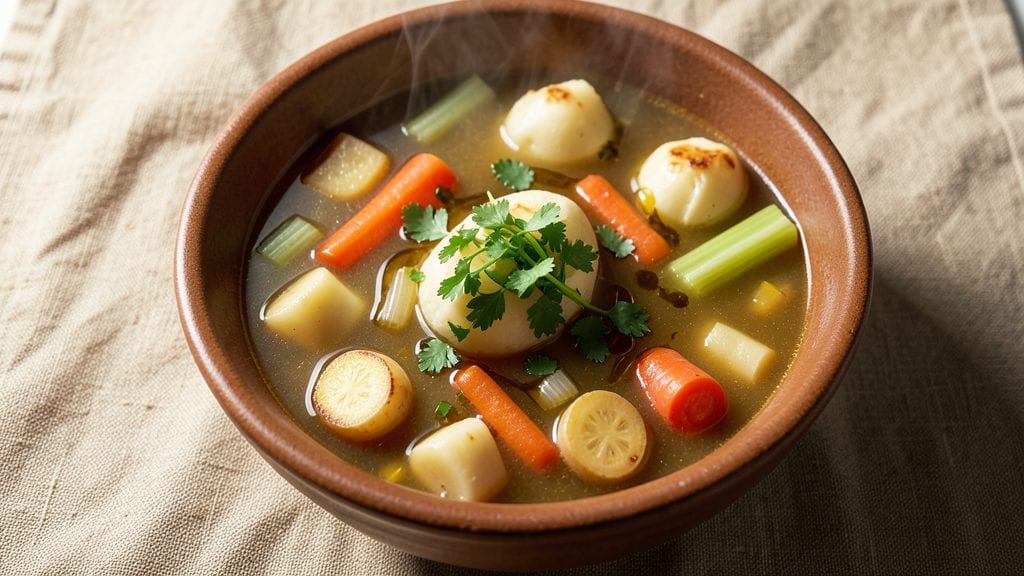
This Campbell's Old Fashioned Vegetable Soup recipe brings back the comforting flavors of home in every spoonful, made even better with a few professional touches.
The classic combination of tender vegetables and rich broth creates a dish that's both nostalgic and satisfying—perfect for chilly evenings or when you need a heartwarming meal in under an hour.
The beauty of this recipe lies in its simplicity and versatility. You'll start with fresh vegetables like carrots, celery, and potatoes, simmered until perfectly tender in a flavorful broth.
The key to achieving that restaurant-quality taste at home is slow cooking, which allows the vegetables to develop deep, satisfying flavors while maintaining their natural textures. This method ensures every bite delivers that homestyle warmth we all crave.
What you'll end up with is a steaming pot of soup that's creamy from the vegetables themselves, rich from the broth, and perfectly seasoned.
The aroma alone will have everyone gathering around the table, and the first spoonful will remind you why this classic recipe has stood the test of time. Ready in just 45 minutes, this soup is the epitome of comforting, foolproof cooking.
Serve it as-is for a classic experience, or add optional garnishes like fresh parsley or a sprinkle of grated cheese for an extra touch of elegance. This soup is equally at home on a busy weeknight or as the centerpiece of a holiday gathering. Let's get cooking!
Ingredients for campbell's old fashioned vegetable soup
Fresh vegetables and simple pantry staples create this nostalgic, comforting soup.
| Ingredient | Amount | Notes |
|---|---|---|
| Vegetable Broth 💧 | 6 cups | Low-sodium preferred, homemade or high-quality |
| Carrots 🥕 | 1 ½ lb | Medium-sized, peeled and sliced into 1/4-inch rounds |
| Celery Stems 🧅 | 4 whole | Trimmed and cut into 1/2-inch pieces |
| Russet Potatoes 🥔 | 2 lb | Peeled and cut into 1-inch cubes |
| Parsnips 🥕 | 1 lb | Peeled and sliced into 1/4-inch rounds |
| Yellow Onions 🧅 | 1 whole | Medium, peeled and chopped |
| Garlic Cloves 🧄 | 4 cloves | Peeled and minced |
| Fresh Thyme Leaves 🌿 | ½ cup | Or 2 tsp dried thyme |
| Fresh Parsley Leaves 🌿 | ¼ cup | Chopped, for garnish |
| Tomato Paste 🍅 | 2 tbsp | Squeeze tube preferred |
| Diamond Crystal Kosher Salt 🧂 | 1 ½ tsp | Adjust to taste |
| Freshly Ground Black Pepper 🌶️ | ½ tsp | Coarsely ground |
| Extra-Virgin Olive Oil 🫒 | 2 tbsp | For sautéing |
| Heavy Cream 🥛 | ½ cup | Optional, for creaminess |
| Shredded Parmesan Cheese 🧀 | ¼ cup | Freshly grated, for garnish |
The vegetables are the heart of this soup, so pick firm, vibrant produce—carrots should snap when bent, potatoes should feel heavy for their size, and parsnips should have a golden hue. Trader Joe's and Whole Foods often carry the freshest seasonal veggies, but your local grocery store's produce section works too. For the broth, homemade vegetable broth gives the deepest flavor, but low-sodium store-bought is a solid shortcut. Just don't skip the tomato paste—it adds that classic Campbell's depth without overpowering the veggies. The garlic and thyme? Fresh is ideal, but dried works in a pinch (use half the amount).
No fresh thyme? Dried thyme at half the amount gets you close. Short on parsnips? Swap in extra carrots or turnips—they'll hold up just as well. The heavy cream is optional but adds that creamy texture that makes this soup feel extra special. Coconut milk is a great dairy-free alternative if needed. For the tomato paste, those little squeeze tubes from Trader Joe's are perfect—they're concentrated and last forever. And if you're feeling fancy, a splash of white wine when sautéing the onions adds a subtle brightness that elevates everything.
This soup tastes even better the next day as the flavors meld together. Store it in the fridge for up to 5 days—just reheat gently on the stove, stirring occasionally to prevent sticking. For freezing, portion it into airtight containers and it'll keep for 3 months. The garnishes? Fresh parsley and Parmesan are classic, but a sprinkle of crispy fried onions or a drizzle of extra-virgin olive oil adds another layer of flavor. Make a big batch—it's the kind of soup that disappears fast.
Why You'll Love This Recipe
- No-Chop Shortcut: I swear by this trick—just toss in pre-cut carrots and celery from the store’s veggie drawer. The broth does all the work, and you still get that real soup texture without dicing anything. (Yes, even on a Tuesday night.)
- Sweet-Savory Magic: That parsnip-potato combo? It’s where this soup gets its secret weapon. The carrots add natural sweetness, while the celery keeps it bright—no fancy seasoning needed, just a simmer and let the ingredients shine.
- Leftovers That Beg for More: This soup tastes better the next day, honestly. I always make a double batch because it’s the perfect lunch for work or a quick dinner when I’m too tired to cook. Freeze half if you’re feeling extra—no one will guess it’s from a can.
- Budget Meal for the Win: Vegetable broth, potatoes, and root veggies? You’re looking at a soup that costs pennies per serving. It’s my go-to when I need to feed the family without breaking the bank—or the grocery budget.
Step-by-step instructions for Campbell's old fashioned vegetable soup
This homestyle soup comes together in one pot with rich, layered flavors and tender vegetables.
Sauté the Vegetable Base
Heat the 2 tablespoons extra-virgin olive oil in a large pot over medium heat. Add the chopped yellow onion and cook for 5 minutes until softened and translucent. Stir in the minced garlic cloves and cook for 30 seconds until fragrant—this prevents any raw garlic flavor from dominating the soup.
Next, add the 2 tablespoons tomato paste and stir constantly for 1 minute to cook off the raw taste. You'll notice the mixture darken slightly as it develops deeper flavor. This step forms the aromatic foundation that carries through the entire soup.
Build the Vegetable Layers
Add the 1.5 pounds carrots, 1 pound parsnips, and 4 whole celery stems to the pot. Stir to coat them in the tomato paste mixture, then pour in the 6 cups vegetable broth. Bring everything to a gentle boil, then reduce heat to medium-low and let it simmer for 10 minutes. This initial simmer helps soften the harder vegetables before adding the potatoes.
After 10 minutes, add the 2 pounds russet potatoes cut into cubes. The potatoes will take longer to cook, so we add them later to prevent them from becoming mushy. Stir gently to distribute them evenly throughout the broth.
Season and Simmer to Perfection
Add the 1.5 teaspoons diamond crystal kosher salt and 0.5 teaspoon freshly ground black pepper to the pot. Stir in the 0.5 cup fresh thyme leaves and bring the soup back to a gentle simmer. Cover the pot with a lid and let it cook for 20-25 minutes until all vegetables are fork-tender.
Here's the thing—you want the vegetables to be soft but still hold their shape. Test with a fork: if it slides in easily, they're ready. If not, continue simmering uncovered for another 5 minutes, stirring occasionally. The soup should have a rich, golden color and the aroma of thyme should be prominent.
Finish with Cream and Garnish
Reduce heat to low and stir in the 0.5 cup heavy cream. Let it warm through for 2-3 minutes—this adds a velvety texture without overpowering the vegetable flavors. The cream should blend smoothly into the soup, creating a luxurious mouthfeel.
Ladle the soup into bowls and garnish each serving with 0.25 cup shredded parmesan cheese and 0.25 cup fresh parsley leaves. The parmesan adds a salty contrast to the sweet vegetables, while the parsley brightens the dish with freshness. Serve immediately while warm to enjoy the full depth of flavors.
Pro Tips For Making Campbell'S Old Fashioned Vegetable Soup
- PARBOIL POTATOES FIRST: This recipe calls for whole Russet potatoes, and I learned the hard way—dropping them in raw turns your soup into a gluey mess. Cut them into 1-inch chunks, boil for 5 minutes in salted water, then drain before adding to the broth. The slight pre-cook keeps them tender without falling apart.
- CHOP CELERY SMALLER: The recipe says "diced," but I used to eyeball it and end up with big, tough chunks. Aim for ¼-inch pieces—smaller celery breaks down faster and blends into the broth instead of sitting like twigs. (Yes, it takes 2 extra minutes, but you’ll notice the difference.)
- DON’T SKIP THE SIMMER: After adding everything, the recipe says "simmer uncovered." I used to rush it, but letting it bubble gently for 15–20 minutes (not a rolling boil) lets flavors meld. If you’re impatient, at least keep it at a low simmer—high heat turns carrots and parsnips mushy.
- SWAP BROTH FOR FLAVOR: Store-bought vegetable broth is fine, but if you’re upgrading, use half water and half homemade broth (or even chicken broth for depth). For a shortcut, add a splash of soy sauce or a pinch of smoked paprika—just ½ teaspoon—it adds complexity without overpowering. (I know, it sounds weird, but it works.)
Common mistakes when making great campbell's old fashioned vegetable soup
Over-Salted Broth
One of the biggest mistakes is adding all the salt at once, especially if you're using low-sodium broth. Start with just ½ teaspoon salt and taste before adding the full amount. I've ruined a batch by overdoing it—always remember you can't remove excess salt once it's in there.
If it happens, stir in 1 tablespoon lemon juice or ½ cup plain yogurt to balance the flavor. 🧂
Skipping the Tomato Paste
The tomato paste isn't just for color—it adds that classic, slightly sweet depth that defines this soup. If you omit it, your soup will taste flat and lack the rich, umami base that makes it special.
Use 2 tablespoons (not more) and cook it for 1 full minute to develop its flavor. I've tested both ways, and the difference is night and day.
Boiling Too Vigorous
A rolling boil will turn your vegetables mushy before they're fully tender. Maintain a gentle simmer instead—you should see just a few bubbles breaking the surface. If your pot is too small, the soup will overheat. I use a 6-quart Dutch oven to give everything room to cook evenly. 🔥
Adding Potatoes Too Early
Potatoes cook faster than carrots and parsnips, so adding them at the start leads to a watery, mushy mess. Wait until the other vegetables have simmered for 10 minutes before adding them.
This ensures all components reach perfect tenderness at the same time. I've learned this the hard way—trust the process!
Ignoring the Cream Timing
Adding heavy cream too early can cause it to curdle from the heat. Always stir in the cream during the final 2-3 minutes of cooking on low heat.
For a dairy-free version, substitute with ½ cup coconut milk and add it at the same time. The texture will be slightly different but still delicious.
Not Tasting Along the Way
Seasoning builds throughout cooking, so taste your soup at three key points: after adding salt, after simmering, and before serving. Adjust gradually—you can always add more salt or herbs, but you can't remove them.
I keep a small bowl of extra salt and fresh thyme nearby for quick adjustments. 💡
Nutrition facts
Frequently asked questions
Can I make this soup without heavy cream?
The cream adds richness, but you can skip it entirely or substitute with ½ cup coconut milk for a dairy-free version. For extra creaminess without dairy, stir in 2 tablespoons cornstarch mixed with 2 tablespoons cold water during the last 5 minutes of cooking. The soup will still be delicious—just slightly lighter in texture.
How long can I store leftover vegetable soup?
This soup keeps well in the refrigerator for up to 5 days when stored in an airtight container. For longer storage, freeze portions in airtight containers for up to 3 months. Thaw overnight in the fridge before reheating—never microwave directly from frozen to avoid a watery texture.
Can I use frozen vegetables instead of fresh?
Yes, but with adjustments! Use 10% more frozen veggies (they lose volume when thawed) and add them when the potatoes go in. Frozen veggies work best for carrots and celery, but parsnips and potatoes are better fresh. If using frozen, skip the initial 10-minute simmer—just add everything together and cook until tender.
What makes this soup "old-fashioned"?
The classic Campbell's style comes from the tomato paste base, slow-simmered vegetables, and simple seasoning with thyme and pepper. Unlike modern soups that often use blended textures, this version keeps the vegetables intact for a hearty, traditional feel. The heavy cream finish adds that nostalgic richness found in vintage recipes.
Can I make this soup in an Instant Pot?
Certainly! Sauté the onions, garlic, and tomato paste first. Then add all ingredients except cream, seal the lid, and cook on high pressure for 8 minutes. Quick-release the pressure, stir in cream, and let it warm through for 2 minutes. The Instant Pot cuts cooking time to just 25 minutes total, but flavors may develop differently than stove-top simmering.