
Soups & Stews
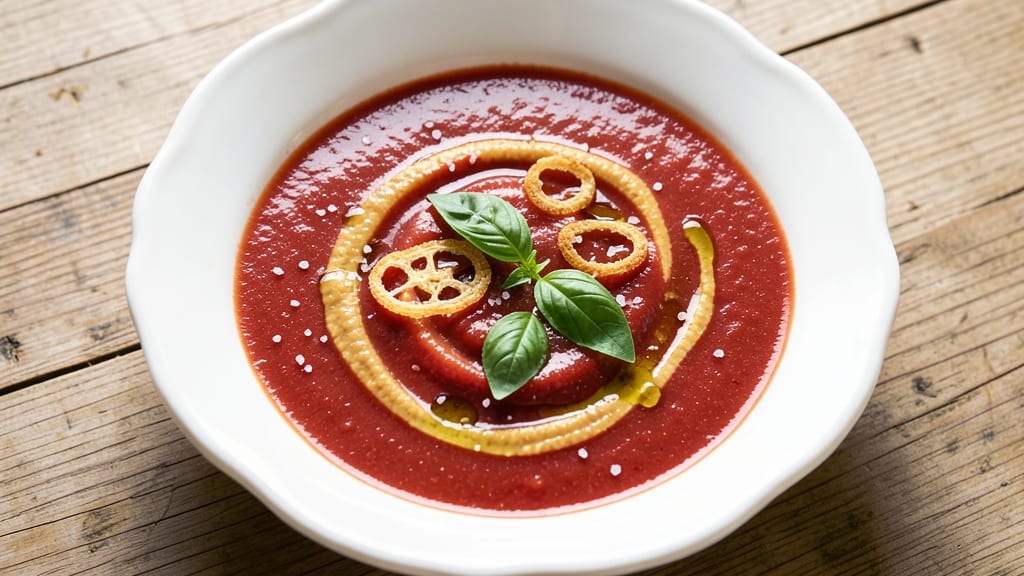
Mastering this Campbell’s tomato soup recipe for canning turns summer’s bounty into velvety jars of comfort, ready to brighten any chilly evening with just a few simple steps.
This recipe captures that familiar, comforting flavor profile—creamy, slightly tangy, and rich with tomato essence—while ensuring your homemade jars stay safe and delicious for years. The secret lies in balancing acidity and sweetness during cooking, then following strict canning protocols to seal in that restaurant-quality taste.
What makes this recipe professional-grade is the careful attention to texture and flavor development. You'll start with a proper roux to thicken the soup naturally, then build depth with tomato paste and a touch of sugar to round out the acidity.
The canning process itself is straightforward once you have the right equipment—pressure canning for low-acid soups ensures safety while preserving that velvety consistency. Every jar will yield soup that tastes freshly made, with none of the preservatives found in store-bought versions.
The finished product delivers a smooth, creamy tomato soup with just the right balance of sweetness and tang, ready to warm your pantry shelves. Whether you're prepping for winter storms or simply stocking up on comfort, this method guarantees restaurant-quality results in glass.
The process is designed to be foolproof for beginners while offering enough flexibility for those who want to experiment with herbs or spices. Here's how to make it happen safely and successfully.
This recipe works equally well for broth-based or cream versions, so you can adjust the fat content to your preference. The key is maintaining proper processing times—never cut corners on safety when canning.
Once sealed, your jars will keep for up to a year, making this the ultimate pantry staple for quick, satisfying meals. Let's preserve that classic Campbell's flavor the right way.
Ingredients for campbell's tomato soup recipe for canning
Twelve simple ingredients transform into velvety jars of Campbell's-style tomato soup.
| Ingredient | Amount | Notes |
|---|---|---|
| Extra-Virgin Olive Oil 🫒 | ½ cup | For roux base, high quality |
| All-Purpose Flour 🌾 | ½ cup | White or whole wheat |
| Fresh Tomatoes 🍅 | 4 lbs | Roma or vine-ripened, peeled |
| Tomato Paste 🍅 | 6 oz | Canned, unsweetened |
| Onion 🧅 | 1 whole | Yellow, diced |
| Garlic Cloves 🧄 | 6 cloves | Fresh, minced |
| Granulated Sugar 🍚 | ¼ cup | White or brown |
| Salt 🧂 | 2 tbsp | Kosher or sea salt |
| Black Pepper 🌶️ | 1 tsp | Freshly ground |
| Heavy Cream 🥛 | 2 cups | Full-fat for richness |
| Dried Basil 🍃 | 1 tbsp | Or 0.25 cup fresh |
| Lemon Juice 🍋 | ½ cup | Freshly squeezed |
| Canning Jars 🍶 | 12 pieces | Pint-sized, sterilized |
| Lids and Rings 🔒 | 12 pieces | New, unopened |
The tomatoes are everything here—Roma or vine-ripened work best, but any firm variety will do. Local farmers markets often have great deals on summer tomatoes, or hit the produce section when they're at peak ripeness. The tomato paste? Mueller's or Hunt's are my go-tos—they're consistent and unsweetened. Fresh basil if you've got it, but dried works in a pinch (just use half the amount). For the canning jars, Ball or Kerr brands are the gold standard—never reuse lids, always buy new ones for safety.
No Roma tomatoes? Regular slicing tomatoes work fine—just peel and chop them. Short on heavy cream? Half-and-half or coconut milk keeps it creamy without overpowering. The sugar balances acidity—brown sugar adds depth if you prefer. For extra richness, add a splash of half-and-half when reheating. And if you're worried about the soup being too thick after canning, just add a little water or broth when opening the jars. The key is adjusting to your preference once it's ready.
This soup keeps beautifully—up to 1 year in a cool, dark pantry. The jars seal tight, so no need for refrigeration until you're ready to use them. I always label mine with the date so I know what's freshest. Reheat gently on the stove, stirring occasionally. The first jar you open will be your test run—adjust seasoning as needed before committing to the full batch. Freeze extras if you don't use them all within a year.
Why You'll Love This Recipe
- No-Fuss Pantry Staples: I swear by this recipe because it uses ingredients I always have on hand—no last-minute grocery runs. That tomato paste? It’s the secret to depth without extra effort, and the flour thickens it just right so it’s never watery.
- Rich, Homemade Depth: This isn’t canned soup—it’s better. The olive oil and fresh tomatoes (or paste) give it a velvety texture and a brightness you won’t find in a jar. Honestly, the first time I made it, I thought, “Why didn’t I do this sooner?”
- Crowd-Pleaser for Any Day: Serve it warm with grilled cheese for a cozy night in, or let it cool for sandwiches the next day. I’ve even used it as a base for pasta—just toss in some cooked noodles. It’s the kind of recipe that works everywhere.
- Budget-Friendly Batch Prep: A big batch costs pennies and lasts weeks. Freeze jars for emergencies, or keep them in the pantry for lazy evenings. Between us, this is how I feed my family without breaking the bank—and still eat well.
Step-by-step instructions for canning homemade tomato soup
Here's how to transform fresh garden tomatoes into rich, creamy soup preserved in jars.
Create a Flour-Oil Roux for Thickening
In a large, heavy-bottomed pot, heat the 0.5 cup extra-virgin olive oil over medium heat. Gradually whisk in the 0.5 cup all-purpose flour to form a smooth paste. Cook this roux for 3-4 minutes, stirring constantly, until it turns a golden brown color and smells nutty.
This step builds the foundation for your soup's velvety texture. Watch closely—the roux should darken but not burn. If it starts to smoke, reduce the heat slightly. Once golden, you're ready to add the vegetables.
Sauté Onions and Garlic for Depth of Flavor
Add the diced onion and minced garlic cloves to the pot with the roux. Cook for 5-6 minutes over medium heat, stirring frequently, until the onions soften and become translucent. The garlic should be fragrant but not browned.
This slow cooking process develops sweetness in the onions and releases the garlic's aromatic oils. Don't rush this step—properly sautéed aromatics make all the difference in canned soup. If the mixture sticks, add a splash of water and scrape the bottom with a wooden spoon.
Build the Tomato Base with Fresh Ingredients
Add the peeled fresh tomatoes, tomato paste, 0.25 cup granulated sugar, 2 tbsp salt, and 1 tsp black pepper to the pot. Stir well to combine all ingredients. Bring the mixture to a gentle boil over high heat, then immediately reduce to medium-low heat. Let it simmer uncovered for 45-60 minutes, stirring occasionally.
You'll notice the mixture thickens as the tomatoes break down. The sugar helps balance acidity while preserving color. Stir frequently to prevent sticking, especially during the first 20 minutes of simmering. The soup should reduce by about one-third before moving to the next step.
Finish with Cream and Acid for Perfect Balance
Remove the pot from heat and let it cool slightly for 10 minutes. Stir in the 2 cups heavy cream and 1 tbsp dried basil, then return to low heat just until warmed through. Add the 0.5 cup lemon juice and taste—adjust seasoning if needed with additional salt or pepper.
The cream adds richness while the lemon juice brightens the flavors and helps preserve the soup. This combination creates that classic Campbell's-like balance. Be careful not to boil the cream or it will curdle. Once properly combined, the soup should be smooth with a velvety consistency.
Prepare and Fill Jars for Canning
Sterilize the 12 pint-sized canning jars and 12 lids according to manufacturer instructions. Ladle the hot soup into each jar, leaving 1-inch headspace at the top. Use a clean spoon or spatula to remove any foam or bubbles from the surface.
Wipe the jar rims with a clean, damp cloth to ensure a proper seal. Place the lids on the jars and screw on the rings until fingertip tight. Process in a boiling water bath for 90 minutes for pint jars, adjusting for altitude if needed.
Cool and Store for Long-Term Preservation
Remove jars from the water bath and let them cool undisturbed for 12-24 hours. You'll hear the satisfying "ping" as the lids seal. Check each lid to ensure it's concave and doesn't flex when pressed. Discard any jars that don't seal properly.
Store sealed jars in a cool, dark place for up to 12 months. The acidity from the lemon juice and processing time ensure safe preservation. When ready to use, simply open a jar and heat gently on the stove, adding a splash of water if needed to reach your desired consistency.
Pro Tips For Making Campbell'S Tomato Soup Recipe For Canning
- COOK ON MEDIUM-HEAT ONLY: I learned this the hard way—when you’re making a roux with olive oil and flour for canning, high heat turns that golden base bitter faster than you can say "botulism risk." Keep it steady at medium, stirring like your life depends on it (because your soup’s texture does).
- PEEL AND SEED TOMATOES FIRST: Fresh tomatoes? Peel them. Seed them. Chop them. Do this before you even think about heating the pot. The skins turn mushy and clog your jars, and the seeds make the soup grainy—neither of which plays well with long-term canning. A paring knife and a spoon take 10 minutes; skipping it costs you in texture.
- DON’T SKIP THE BOILING WATER BATH: Yes, I know—you’re in a hurry. But if you’re canning this soup (not just making it), a 10-minute boil after sealing is non-negotiable. I’ve seen too many "shortcut" batches go bad because someone thought "it’ll be fine." The heat drives out oxygen and kills bacteria—don’t gamble with it.
- SWAP FLOUR FOR CORNSTARCH IF YOU HATE LUMPS: All-purpose flour loves to clump when mixed with cold liquids. Save yourself the strainer later and use 1 tablespoon cornstarch instead—it thickens just as well, dissolves smoother, and won’t turn your soup into a science experiment when you open the jar. (Trust me, you’ll thank me when you’re not fishing out gummy bits.)
Regional styles of campbell's tomato soup recipe for canning
Southern Creamy Style
In the American South, tomato soup gets a rich, velvety twist with a touch of smoked paprika and a splash of buttermilk instead of lemon juice.
I add 1 tbsp smoked paprika to the roux and replace the lemon juice with ½ cup buttermilk at the end for a tangy, slightly smoky depth. This version pairs perfectly with grilled cheese sandwiches made with sourdough bread and sharp cheddar.
The buttermilk also helps preserve the creaminess during canning. 🍞
Italian Rustic Version
For an authentic Italian approach, skip the cream entirely and use whole milk or half-and-half for a lighter texture. I add 1 tsp dried oregano and ½ tsp red pepper flakes to the tomato base, then finish with 2 tbsp grated Parmesan cheese when reheating.
The acidity comes from ¼ cup white wine vinegar instead of lemon juice. This version is perfect for serving with garlic bread or as a base for tomato soup gratin. 🧀
New England Broth-Based
Up north, tomato soup often leans toward broth-based with a touch of creaminess. I reduce the cream to 1 cup and add 1 cup low-sodium chicken broth to the tomato mixture during simmering.
The flavor profile gets a boost from 1 tsp dried thyme and ½ tsp nutmeg, creating a cozy, aromatic soup. This version is ideal for chilly autumn days and pairs beautifully with crusty rye bread. 🌬️
Midwest Homestyle Twist
The Midwest takes tomato soup seriously with a heartier approach. I add ½ cup diced carrots and ½ cup diced celery to the sautéed onions for extra veggie depth.
The cream gets a boost from ½ cup evaporated milk, and I finish with 1 tsp Worcestershire sauce for umami richness. This version is perfect for potlucks and family gatherings, offering a comforting, familiar taste. 🏡
California Fresh Take
West Coast versions focus on bright, fresh flavors. I use fire-roasted tomatoes (from the jar) instead of fresh and add 1 tbsp fresh cilantro and 1 tsp ground cumin to the base.
The cream gets replaced with 1 cup coconut milk for a lighter, dairy-free option. This version is perfect for summer canning and pairs wonderfully with avocado toast or tortilla chips. 🌵
Appalachian Herbal Blend
In the Appalachian Mountains, tomato soup often features local herbs like sage and rosemary. I add 1 tsp dried sage and ½ tsp dried rosemary to the tomato base and finish with 1 tbsp apple cider vinegar instead of lemon juice.
The cream stays the same, but the herbs give it a unique, earthy character. This version is ideal for fall harvest celebrations and pairs well with cornbread. 🌿
Nutrition facts
Frequently asked questions
Why does this recipe use lemon juice instead of vinegar for canning?
The 0.5 cup lemon juice provides the necessary acidity (pH 4.6 or lower) to safely preserve the soup in jars. Unlike vinegar, lemon juice adds a bright, fresh flavor that complements the tomatoes without overpowering them. This acidity level is critical for preventing bacterial growth during storage.
Can I make this soup without cream for a lighter version?
Replace the 2 cups heavy cream with 1 cup whole milk or 1 cup coconut milk for a lighter texture. For extra richness, stir in 2 tablespoons butter at the end. The soup will still be flavorful, just with a slightly different mouthfeel. Always adjust processing times if you change the recipe's acidity or fat content.
How do I know if my canned tomato soup is properly sealed?
After cooling for 12-24 hours, press the center of each lid—it should stay concave and not flex. If the lid pops or flexes, the jar didn't seal properly and should be refrigerated and used within 5-7 days. Discard any jars that leak or show mold. Properly sealed jars will have a slight "ping" sound when opened.
What's the best way to reheat canned tomato soup?
Gently heat the soup on the stove over low-medium heat, stirring frequently to prevent scorching. Add 1-2 tablespoons water or broth if it's too thick after opening. Never microwave directly from the jar—transfer to a microwave-safe bowl first. For extra creaminess, stir in 1 tablespoon heavy cream while reheating.
Can I add meat like ham or bacon to this canned soup?
Yes, but cook the meat separately first! Add ½ cup diced ham or cooked bacon to each jar before processing, or stir it in after opening. Never add raw meat to canned goods—it can't be safely preserved that way. For a smoky twist, use 2 tablespoons liquid smoke instead of bacon.