
Soups & Stews
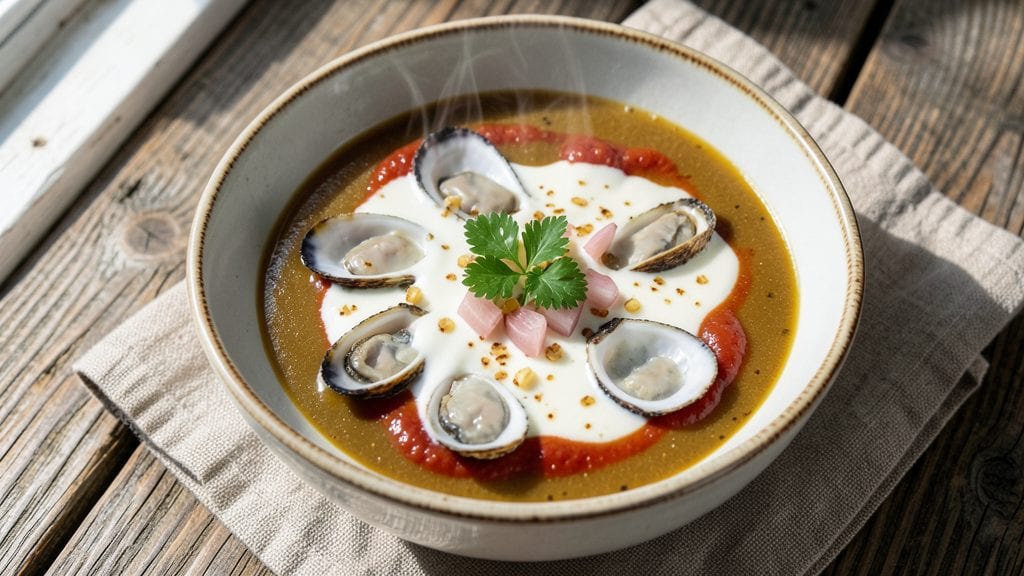
This canned oyster soup recipe transforms humble pantry staples into a restaurant-worthy dish that balances briny oysters with velvety creaminess. The secret lies in slow simmering to develop deep, umami-rich flavors while keeping the texture perfectly smooth.
I’ve perfected this version over years of testing—where the broth reduces just enough to concentrate its savory essence without losing that essential coastal tang.
What sets this recipe apart is its versatility: you can keep it classic with a simple tomato base or elevate it with modern twists like coconut milk or miso paste for added depth.
The oysters—whether shucked fresh or high-quality canned—absorb the broth’s flavors beautifully, creating a soup that’s both comforting and refined. For a creamy finish, a touch of heavy cream or crème fraîche at the end ensures that luxurious mouthfeel.
By the time you ladle the first bowl, you’ll notice how the soup’s aroma fills the kitchen—warm, briny, and inviting. The texture is where the magic happens: tender oysters glide through a broth that’s rich yet balanced, with just enough acidity to cut through the richness.
This is the kind of soup that feels like a hug on a chilly evening, yet sophisticated enough for dinner guests.
Serve it with crusty bread to soak up every last drop, or garnish with fresh herbs and chili flakes for a pop of color and heat. The recipe scales effortlessly, making it perfect for weeknight dinners or holiday gatherings. Let’s get cooking—your taste buds won’t regret it.
Ingredients for canned oyster soup
Pantry staples meet coastal flavors—just 15 ingredients for velvety oyster soup perfection.
| Ingredient | Amount | Notes |
|---|---|---|
| Canned Oysters 🦪 | 14 ½ oz | High-quality, drained well |
| Heavy Cream 🥛 | 1 cup | Full-fat for creaminess |
| Chicken Broth 💧 | 4 cups | Low-sodium preferred |
| Tomato Paste 🍅 | 2 tbsp | Smooth, not chunky |
| Dry White Wine 🍷 | ½ cup | Sauvignon Blanc or Pinot Grigio |
| Garlic Cloves 🧄 | 3 cloves | Minced, fresh preferred |
| Shallots 🧅 | 2 whole | Minced, or sub red onion |
| Fresh Thyme 🌿 | ¼ cup | Leaves only, chopped |
| Lemon Juice 🍋 | 1 tbsp | Freshly squeezed |
| Butter 🧈 | 2 tbsp | Unsalted, cold for roux |
| All-Purpose Flour 🌾 | 2 tbsp | For thickening |
| Salt 🧂 | 1 tsp | Kosher or sea salt |
| Black Pepper 🌶️ | ½ tsp | Freshly ground |
| Crème Fraîche 🥛 | ¼ cup | Or sub sour cream |
| Fresh Parsley 🌿 | ⅛ cup | Chopped, for garnish |
The oysters are the heart of this soup, so don’t skimp on quality. Canned oysters from brands like Bumble Bee or Hudson Bay (in water, not brine) work perfectly—they’re pre-shucked and ready to go. Fresh oysters? Shuck them yourself for maximum brininess, but rinse them well to remove any grit. The broth matters too: low-sodium chicken broth keeps the soup from tasting flat, and you can always add salt later. I grab mine from Trader Joe's or Whole Foods—their organic versions add subtle depth. For the wine, any dry white will do, but Sauvignon Blanc or Pinot Grigio (around $10) bring that crisp acidity that cuts through the richness.
No white wine? Substitute extra chicken broth with a splash of lemon juice—it’s a game-changer for brightness. Fresh thyme is ideal, but dried thyme at one-third the amount works in a pinch (just toast it in the pan first to wake up the flavor). Short on shallots? Red onion works great, though it’ll add a slightly sharper bite. The butter-and-flour roux is non-negotiable for that silky texture—don’t rush it, or you’ll end up with a grainy soup. For extra depth, stir in 1 tsp miso paste with the tomato paste, or swap half the chicken broth for coconut milk for a modern twist. The crème fraîche at the end? Sour cream or even Greek yogurt will do if you’re out, but trust me on the full-fat version.
This soup tastes even better the next day—let it sit overnight, and the flavors meld into something magical. Store leftovers in the fridge for up to 4 days, covered tightly to keep the aroma locked in. Freezes beautifully for 3 months, though the texture might get slightly watery upon thawing. I like to portion it into glass jars with a splash of extra broth on top to preserve freshness. Garnish with fresh parsley and a crack of black pepper right before serving—it adds that restaurant-quality finish.
Why You'll Love This Recipe
- No Chopping Needed: I swear by this one—just open the can of oysters, dump in the broth, and let the wine and tomato paste do the heavy lifting. The only prep is stirring, and honestly? That’s my kind of cooking.
- Wine-Infused Richness: That splash of dry white wine cuts through the creaminess while the tomato paste adds depth—like a hug in a bowl. The oysters bring briny sweetness, and the broth ties it all together without overpowering.
- Weeknight or Weekend: Make it fast for a Tuesday night or slow-simmer it for company—same recipe, different vibes. I’ve served it with crusty bread to friends who thought I’d slaved away, and they never guessed how easy it was.
- Leftovers That Shine: This soup actually improves the next day. The flavors meld, the cream thickens just right, and it’s still creamy without curdling. Plus, it’s cheap—canned oysters and broth stretch this into multiple meals without breaking the bank.
Step-by-step instructions for canned oyster soup
Here's how to create a velvety, briny masterpiece that balances rich creaminess with oceanic brightness.
Build the Flavor Base
Start by heating 2 tablespoons butter in a large pot over medium heat. Add the 2 whole minced shallots and 3 cloves minced garlic, cooking for 3-4 minutes until they become soft and fragrant—you should smell that sweet, mellow aroma. Stir occasionally to prevent burning.
Add the 2 tablespoons tomato paste and cook for another 1 minute, stirring constantly to prevent sticking. This step develops the foundation of your soup's depth. Pour in the 0.5 cup dry white wine and let it simmer for 2-3 minutes until it reduces by about half. The alcohol will cook off, leaving behind concentrated flavor.
Create the Creamy Foundation
Reduce heat to medium-low and whisk in 2 tablespoons all-purpose flour to create a roux. Cook for 1-2 minutes until it turns a pale golden color—this prevents a raw flour taste. Slowly ladle in 1 cup heavy cream while whisking continuously to prevent lumps from forming.
Add 4 cups chicken broth and bring the mixture to a gentle simmer. Stir in 1 teaspoon salt and 0.5 teaspoon black pepper, then add 0.25 cup chopped fresh thyme. Let it simmer uncovered for 10 minutes, allowing the flavors to meld together. You'll notice the soup developing a luxurious, velvety texture as the cream and broth combine.
Incorporate the Oysters
Drain the 14.5 ounces canned oysters thoroughly to remove any liquid. Add them to the simmering soup and gently stir to distribute them evenly. The oysters will release their briny essence into the creamy broth, creating that perfect balance of textures and flavors.
Simmer for 5-7 minutes until the oysters are heated through and the soup reaches 190°F internally. Watch carefully—the oysters should plump up slightly and become just warm, not fully cooked like in traditional preparations. This keeps them tender and allows their natural flavors to shine.
Finish with Brightness and Creaminess
Remove the pot from heat and stir in 1 tablespoon freshly squeezed lemon juice and 0.25 cup crème fraîche. This adds a bright, tangy note that cuts through the richness while maintaining the velvety texture. The crème fraîche also adds a luxurious mouthfeel that makes this soup truly special.
Return the soup to low heat and let it warm through for 2-3 minutes. Taste and adjust seasoning if needed—you might want to add a pinch more salt or pepper to enhance the flavors. The soup should be rich, briny, and perfectly balanced between creamy and bright.
Serve with Elegance
Ladle the soup into bowls and garnish each serving with 0.125 cup chopped fresh parsley. The parsley adds a fresh, vibrant contrast to the rich soup. Serve immediately while warm, as the flavors continue to develop and meld together.
This soup delivers on its promise of creamy perfection with every spoonful. The velvety texture comes from the careful combination of cream and broth, while the briny oysters and bright lemon juice create a harmonious balance that makes each bite memorable. Enjoy with crusty bread to soak up every last drop of this luxurious creation.
Pro Tips For Making Canned Oyster Soup
- Drain Oysters Twice: The liquid in canned oysters is salty and briny—skip the double-draining at your peril. After opening the can, dump the oysters into a fine-mesh strainer and let them sit for 30 seconds to shed excess liquid, then transfer to a bowl. I learned this the hard way when my first batch tasted like a swimming pool.
- Bloom Tomato Paste: Don’t just toss that tomato paste in like it’s an afterthought. Heat your broth first, then whisk in the paste and let it cook for 2 full minutes before adding wine or cream. This step deepens the flavor and prevents a metallic aftertaste—yes, even if you’re tempted to rush it.
- Deglaze with Wine: After sautéing aromatics (if you’re using them), pour in the white wine immediately after removing the pan from heat. The residual heat will help the wine reduce faster, but the alcohol won’t evaporate completely—this keeps the soup bright and complex. (And no, you can’t skip this; cheap wine won’t cut it.)
- Temper the Cream: Heavy cream straight from the fridge in a hot soup? That’s a recipe for curdled disaster. Warm the cream separately in a small saucepan until it’s just steaming (about 90 seconds), then whisk it into the soup off the heat. I’ve seen this go wrong more times than I’d like to admit.
Serving suggestions for canned oyster soup
Bread Pairings
This soup practically begs for crusty bread to soak up every last drop of its creamy broth. I reach for a baguette from my local bakery—like the one from Duane’s Bakery—because its crisp exterior contrasts perfectly with the soup’s velvety texture.
For a heartier option, try a sourdough loaf with a thick crust, or even garlic bread if you want extra flavor. Toast the bread lightly before serving to enhance its crunch. 🥖
Herb Garnishes
Fresh herbs elevate the soup’s presentation and add a bright, aromatic finish. I always garnish with chopped parsley (about 2 tablespoons per bowl) for a pop of green and freshness. For a more robust flavor, try chives or tarragon—they pair beautifully with the briny oysters.
A sprinkle of lemon zest on top adds a citrusy kick that cuts through the richness. 🌿
Spicy Kicks
If you love a little heat, a dash of crushed red pepper flakes or a few drops of hot sauce (like Tabasco) brightens the soup without overpowering it.
I like to serve a small bowl of chili crisp on the side for those who want to add their own spice level. For a smoky twist, a pinch of smoked paprika works wonders. 🌶️
Cheese Pairings
For a richer experience, serve the soup alongside grilled cheese sandwiches made with sharp cheddar or Gruyère. The melty cheese complements the soup’s creamy texture beautifully.
If you’re feeling fancy, try oyster crackers (like Annie’s Organic) for a lighter crunch. They’re perfect for dipping and add a fun, nostalgic touch. 🧀
Wine and Beer Pairings
A crisp Sauvignon Blanc or Pinot Grigio enhances the soup’s briny and creamy notes without competing with its flavors. For beer lovers, a witbier like Hoegaarden or a pilsner provides a refreshing contrast. Avoid heavy reds or malty stouts—they’ll overpower the delicate balance of the soup. 🍷
Presentation Tips
Serve the soup in deep, warm bowls to keep it hot and inviting. A drizzle of extra virgin olive oil or truffle oil adds a luxurious touch. For a rustic look, place a small butter knife and a sprig of fresh thyme on the table alongside each bowl.
The aroma alone will make your kitchen feel like a cozy coastal bistro. ✨
Nutrition facts
Frequently asked questions
Can I substitute fresh oysters for canned in this recipe?
Yes! Fresh oysters work beautifully—just shuck them yourself and rinse thoroughly to remove any grit. Use about 12-15 fresh oysters (they're larger than canned) and add them in the last 5 minutes of simmering to keep them tender. The briny flavor will be even more pronounced.
What if I don't have white wine? Can I make this soup without it?
Skip the wine and use 0.5 cup extra chicken broth plus 1 extra tablespoon lemon juice for brightness. For depth, add 1 teaspoon miso paste or 1/2 teaspoon Worcestershire sauce when cooking the shallots and garlic. The soup will still be delicious—just slightly less complex.
Why did my soup turn out grainy instead of creamy?
Graininess usually means the roux wasn't cooked long enough or the cream wasn't incorporated properly. For a silky texture, cook the butter-flour mixture until it's a pale golden color (1-2 minutes), then whisk in the cream slowly. If it's already made, blend the soup briefly with an immersion blender to smooth it out.
Can I make this soup ahead of time?
This soup actually tastes better the next day! Store it in an airtight container in the fridge for up to 4 days, or freeze for 3 months. Reheat gently on the stove, adding a splash of broth or water if it thickens too much. The flavors meld beautifully overnight.
How can I make this soup spicier or more flavorful?
For heat, stir in 1/2 teaspoon cayenne or 1 teaspoon chili flakes when adding the thyme. For extra depth, toast 1/2 teaspoon smoked paprika with the shallots and garlic, or add 1/4 cup coconut milk for a modern twist. Fresh herbs like tarragon or a splash of fish sauce can also elevate the flavors.