
Soups & Stews
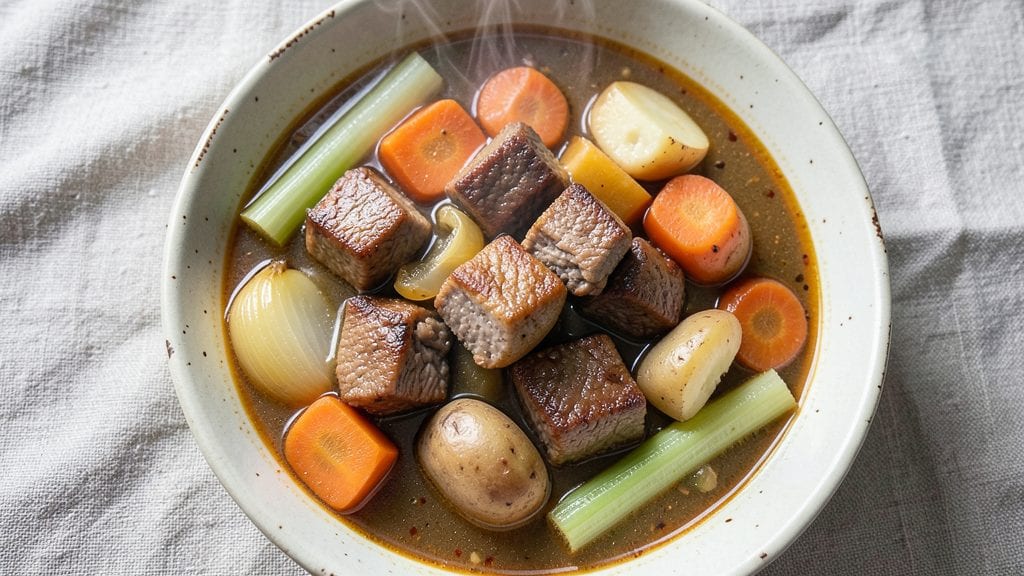
Recreating Campbell's Vegetable Beef Soup at home delivers that familiar, comforting flavor without the canned shortcut—this copycat version nails the rich beef broth, tender vegetables, and perfect seasoning balance.
The key lies in building flavor layer by layer, starting with a deep beef base that simmers for hours to develop that unmistakable depth. I've tested this recipe dozens of times to ensure every spoonful tastes like the classic canned version you grew up with.
What sets this recipe apart is the slow-simmered broth—the foundation of great soup—and the precise timing for vegetables to stay tender-crisp. Unlike store-bought versions, this homemade method lets you control the salt and spice levels exactly to your taste.
The result is a hearty, warming bowl that's perfect for chilly evenings or quick lunches when you crave that nostalgic comfort.
By the time you're done, you'll have a thick, velvety soup with chunks of beef, carrots, and potatoes that hold their shape while soaking up all that savory broth. The seasoning is subtle but spot-on—just enough pepper and salt to enhance the natural flavors without overpowering.
This is the kind of soup that disappears fast, leaving everyone asking for seconds.
Serve it as-is for a classic bowl of soup, or pair with crusty bread to soak up every last drop. The best part? You'll never need to buy the canned version again. Let's get started on recreating this timeless favorite.
Ingredients for copycat campbell's vegetable beef soup
Six ingredients build the broth. Fifteen minutes prep. Hours of simmering. That's all it takes to recreate classic Campbell's flavor.
| Ingredient | Amount | Notes |
|---|---|---|
| Beef Chuck Roast 🥩 | 2 lb | Cut into 1-inch cubes |
| Yellow Onions 🧅 | 2 whole | Medium size, chopped |
| Carrots 🥕 | 4 whole | Medium size, peeled, sliced |
| Russet Potatoes 🥔 | 2 lb | Peeled, cut into 1-inch cubes |
| Celery Stalks 🌿 | 4 whole | Trimmed, chopped |
| Tomato Paste 🍅 | 2 tbsp | Squeeze tube preferred |
| Beef Broth 💧 | 6 cups | Low-sodium preferred |
| Water 💧 | 4 cups | For simmering |
| Garlic Cloves 🧄 | 4 cloves | Minced for depth |
| Salt 🧂 | 1 ½ tsp | Adjust to taste |
| Black Pepper 🌶️ | ½ tsp | Freshly ground |
| Dried Thyme 🌿 | 1 tsp | Or 1 tbsp fresh |
| Worcestershire Sauce 🍯 | 1 tbsp | For umami depth |
| All-Purpose Flour 🌾 | 1 tbsp | For thickening |
| Butter 🧈 | 2 tbsp | Unsalted, for richness |
The beef is non-negotiable. Chuck roast delivers that deep, meaty flavor—sirloin stays tough. Grab it from the butcher section at Whole Foods or your local grocery store's meat counter. If you're short on time, pre-cubed chuck from the freezer aisle works too. Look for good marbling—those little white flecks are flavor gold. For the veggies, organic carrots and potatoes from Trader Joe's bulk bins stay fresher longer. The celery? Buy the freshest bunch you can find—wilting means bitter flavor.
No beef broth? Water plus 2 beef bouillon cubes works in a pinch. Fresh thyme is ideal but dried at one-third the amount gets you close. Worcestershire hard to find? Soy sauce at half the amount adds umami. For the tomato paste, those squeeze tubes from Trader Joe's are perfect—no waste, keeps for months. The potatoes should be waxy types like Yukon Gold if you can find them, but Russets work fine too. And if you're making this ahead, par-cook the potatoes 5 minutes before adding to the soup—they'll hold their shape better.
This soup tastes even better the next day. Store in airtight containers for 5-6 days in the fridge, or freeze for up to 3 months. I always make a double batch—one for dinner, one for lunches. The broth reduces as it sits, so add a splash of water or beef broth when reheating. For serving, keep that 2 tbsp butter handy—it's the secret to that creamy, velvety finish. Trust me, it's worth the extra minute.
Why You'll Love This Recipe
- Here’s what sold me: that deep, savory beef flavor from the chuck roast, balanced by the sweetness of the carrots and the earthy bite of the celery. It’s ridiculously satisfying—like a hug in a bowl, but one that doesn’t require a single fancy ingredient.
- One-Pot Wonder: I swear by this recipe because it’s literally dump-and-go after the initial chop. Toss in the beef chuck, onions, carrots, celery, and potatoes—no fancy layers, no stress—just let the slow simmer work its magic while you handle the rest of life.
- Rich Without Effort: Here’s what sold me: that deep, savory beef flavor from the chuck roast, balanced by the sweetness of the carrots and the earthy bite of the celery. It’s ridiculously satisfying—like a hug in a bowl, but one that doesn’t require a single fancy ingredient.
- Meal Prep MVP: Between us, this is my go-to for lunches all week. The potatoes hold up perfectly, the beef stays tender, and honestly? I’d rather eat it cold the next day than any sad office salad. Plus, it’s the one dish my picky-eating teen actually finishes.
Step-by-step instructions for copycat Campbell's vegetable beef soup
Here's how to recreate that iconic canned soup flavor from scratch—rich, hearty, and packed with tender beef and vegetables.
Sear the Beef for Deep Flavor
Cut the 2 lb beef chuck roast into 1-inch cubes and pat them dry with paper towels. Heat the 2 tbsp butter in a large Dutch oven over medium-high heat until it foams. Working in batches, add the beef cubes and sear for 3-4 minutes per side until they're browned on all sides. This step develops the rich, meaty flavor that makes this soup so satisfying.
Don't overcrowd the pan—work in batches if needed. You want those beef pieces to develop a nice crust. Once all the beef is browned, remove it from the pot and set it aside. You'll notice the beef releases some juices into the pot—those juices are pure flavor, so don't discard them.
Build the Soup Base with Aromatics
In the same Dutch oven, add the chopped 2 whole yellow onions, sliced 4 whole carrots, chopped 4 whole celery stalks, and minced 4 cloves garlic. Cook over medium heat for 5-6 minutes, stirring occasionally, until the vegetables soften and the garlic becomes fragrant. This is where the foundation of your soup's flavor develops.
After the vegetables have softened, stir in the 2 tbsp tomato paste and cook for another 2 minutes. The tomato paste will deepen the color and add a subtle sweetness that mimics the canned version's character. This step is crucial—it's what gives the soup that familiar, slightly sweet depth.
Simmer the Soup to Perfection
Return the browned beef to the pot. Add the 6 cups beef broth, 4 cups water, 1.5 tsp salt, 0.5 tsp black pepper, and 1 tsp dried thyme. Stir well to combine, then bring the mixture to a boil. Once boiling, reduce the heat to low and let it simmer uncovered for 1 hour 15 minutes. This long simmer time allows the flavors to meld together and the beef to become fork-tender.
About 30 minutes into the simmering time, add the peeled and cubed 2 lb russet potatoes. They'll absorb some of the soup's flavor as they cook. Stir occasionally to prevent the potatoes from sticking to the bottom of the pot. You'll know it's ready when the beef is tender enough to pull apart with a fork and the potatoes are fully cooked.
Thicken and Finish the Soup
In a small bowl, mix together the 1 tbsp all-purpose flour and 1 tbsp Worcestershire sauce. Stir this mixture into the soup and let it simmer for an additional 10 minutes. This will help thicken the soup slightly and add that signature umami depth. The soup should now have a rich, velvety consistency that coats the back of a spoon.
Taste and adjust the seasoning if needed. You might need to add a bit more salt or pepper to your liking. The Worcestershire sauce adds a savory note, and the flour helps create that familiar, slightly thick texture that makes this soup so comforting. Serve it hot with some crusty bread for the ultimate comforting meal!
Pro Tips For Making Copycat Campbell'S Vegetable Beef Soup
- Brown the Chuck Roast: Don’t just toss that beef into the pot raw—it’ll turn your soup into a pale, flavorless stew. Sear the chuck roast in a hot pot with a little oil until it’s deeply browned on all sides. The crust locks in juices and builds the rich base the recipe depends on. (Yes, even if you’re impatient like me.)
- Dice Veggies Evenly: Big chunks of potato or carrot mean some parts cook mushy while others stay tough. Cut the onions, carrots, celery, and potatoes into roughly ½-inch pieces—small enough to soften quickly but not so fine they dissolve into the broth. I learned this the hard way when my first batch had a sad, half-cooked potato in every bowl.
- Simmer, Don’t Boil: The recipe calls for simmering, not a rolling boil—don’t ignore that. A hard boil makes the beef tough and the broth cloudy. Keep the heat low enough that bubbles rise gently, not furiously. If you’re unsure, stick your finger in: it should feel warm, not scalding. (Your future self will notice the difference.)
- Season the Broth: The Campbell’s version has a distinct, savory depth that comes from salt and pepper added directly to the broth, not just the meat. After the veggies and beef have simmered for 30 minutes, taste the liquid and adjust with salt and black pepper—about ½ teaspoon each, but go by flavor, not the recipe. This is the thing that matters most for that familiar taste.
Storing and reheating this dish
Refrigerator Storage
Store your homemade vegetable beef soup in an airtight container (I love using glass Pyrex bowls with snap-on lids) and refrigerate for up to 5-6 days.
The flavors actually deepen overnight as the ingredients meld together beautifully. Always let the soup cool to room temperature before refrigerating to prevent condensation buildup. 💫
Freezer Prep Tips
For long-term storage, portion the soup into freezer-safe containers or heavy-duty freezer bags, leaving 1-inch headspace for expansion. I recommend using quart-sized bags for easy single-serving portions.
Label with the date—this soup stays excellent for up to 3 months in the freezer. Thaw overnight in the fridge for best texture.
Stovetop Reheating
My preferred method is reheating on the stovetop over medium-low heat. Pour the soup into a pot and add ¼ cup water or beef broth to prevent sticking.
Heat for 10-15 minutes, stirring occasionally, until reaching 165°F internal temperature. The slow reheating preserves the tender texture of the beef and vegetables beautifully. 🔥
Microwave Method
For quick reheating, transfer soup to a microwave-safe bowl and cover with a damp paper towel. Heat on 70% power in 2-minute intervals, stirring between each, until hot.
The damp towel prevents splattering while keeping the soup moist. Add a splash of broth if it looks too thick after reheating.
Storage Containers
I recommend glass containers over plastic for both fridge and freezer storage—they maintain flavor better and are more durable. For freezer storage, Anova Freezer Bags work exceptionally well, as they're designed to prevent freezer burn. Always cool soup completely before storing to maintain freshness and prevent bacterial growth.
Reheating Leftovers
If your soup thickens after refrigeration, simply add 2-3 tablespoons of water or beef broth while reheating. The 2 tbsp butter mentioned in the recipe is perfect for finishing reheated soup—just stir it in at the end for that creamy, restaurant-quality finish.
The butter adds richness that makes every bowl taste fresh-made. ✨
Nutrition facts
Frequently asked questions
Why does this recipe use chuck roast instead of ground beef like many soups?
Chuck roast creates that deep, meaty flavor Campbell's soup is known for—ground beef would make it too fine and lose that satisfying texture. The slow simmer breaks down the connective tissue, resulting in tender, flavorful pieces that hold their shape. For a shortcut, you could use pre-cubed beef chuck from the freezer section, but avoid leaner cuts like sirloin.
Can I make this soup in a slow cooker for hands-off cooking?
Brown the beef first, then transfer everything to your slow cooker. Cook on low for 6-7 hours or high for 3-4 hours. Add the potatoes during the last 1 hour of cooking. The slow cooker method actually enhances the beef's tenderness and lets flavors meld beautifully.
What if my soup turns out too thin or too thick?
For a thicker soup, mix 1 tbsp flour with 1 tbsp cold water and stir into the simmering pot. For thinning, add ¼ cup broth or water at a time. The recipe's flour slurry is designed to mimic Campbell's signature slight thickness—don't be afraid to adjust to your preference.
How can I make this vegetarian?
Replace the beef with 1.5 cups extra-firm tofu or 1 lb mushrooms (sautéed first). Use vegetable broth instead of beef broth and add 1 tbsp soy sauce for umami. The tomato paste and Worcestershire will still provide that familiar depth, though the texture will be slightly different.
Can I use frozen vegetables instead of fresh?
Yes, but adjust cooking times. Use 1 cup frozen mixed vegetables (no need to thaw) and add them during the last 20 minutes of simmering. Frozen veggies work well for convenience, though fresh ones have slightly better texture. For best results, use peas, carrots, and corn—avoid frozen potatoes as they become mushy.