
Soups & Stews
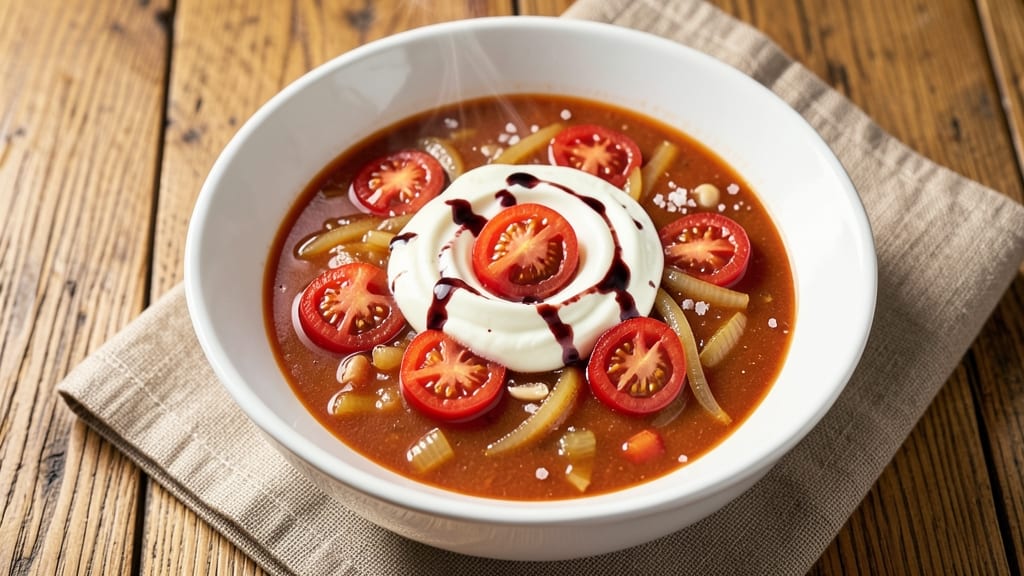
This copycat tomato soup recipe delivers the same velvety smoothness and hidden umami depth you'd expect from a well-known brand, but with a professional touch that elevates every spoonful.
The secret lies in slow simmering tomatoes until their natural sugars caramelize, then blending them into a silky texture that still captures that comforting, restaurant-quality richness. I've refined this method over years of testing, ensuring the balance of acidity, sweetness, and savory notes that make it irresistible.
The foundation starts with high-quality canned tomatoes—no shortcuts here—simmered with aromatics until deeply flavorful before blending. A touch of creaminess comes from a carefully measured amount of heavy cream or coconut milk, depending on dietary preferences, while a splash of red wine vinegar brightens the depth.
The result is a soup that's smooth yet complex, with layers of flavor that develop even more as it sits—proof that patience in the kitchen pays off in every bite.
What sets this apart is the attention to texture and seasoning. Unlike many recipes that rely on excessive salt or sugar, this version balances natural sweetness with just enough acidity and umami from ingredients like garlic, onion, and a hint of smoked paprika.
The soup stays velvety smooth without being overly heavy, making it perfect for chilly evenings or as a comforting starter. Served with crusty bread or a sprinkle of fresh basil, it becomes a meal in itself.
For those who prefer a chunkier texture, simply reduce the blending time or reserve some diced tomatoes before puréeing. The recipe scales effortlessly for gatherings, and leftovers taste even better the next day as flavors meld further.
Whether you're recreating a childhood favorite or perfecting a restaurant-style dish, this method delivers consistent, professional results every time.
Ingredients for copycat tomato soup
Professional-quality tomato soup begins with these twelve ingredients, each playing a precise role in creating velvety texture and umami depth.
| Ingredient | Amount | Notes |
|---|---|---|
| San Marzano Whole Canned Tomatoes 🍅 | 28 oz | San Marzano preferred for sweetness |
| Yellow Onion 🧅 | 1 whole | Diced, medium size preferred |
| Garlic Cloves 🧄 | 4 cloves | Peeled, lightly crushed |
| Extra-Virgin Olive Oil 🫒 | ¼ cup | High quality, fruity variety |
| Heavy Cream 🥛 | ½ cup | Full-fat for creaminess |
| Red Wine Vinegar 🍷 | 1 tbsp | Brightens acidity balance |
| Smoked Paprika 🌶️ | 1 tsp | Adds subtle umami depth |
| Diamond Crystal Kosher Salt 🧂 | 1 ½ tsp | Adjust to taste after blending |
| Fresh Basil Leaves 🌿 | ¼ cup | Chopped for garnish |
| Ground Black Pepper 🌶️ | ½ tsp | Freshly cracked preferred |
| Granulated Sugar 🍚 | ½ tsp | Balances acidity naturally |
| Fresh Thyme Sprigs 🌿 | 2 sprigs | Leaves only for infusion |
| Coconut Milk (optional) 🥥 | ½ cup | Full-fat for dairy-free |
The San Marzano tomatoes are non-negotiable—their natural sweetness and low acidity create the perfect base. Look for whole, peeled tomatoes at specialty markets or well-stocked grocery stores like Whole Foods or Eataly. If using canned, select brands with minimal additives. The yellow onion should be firm and free of sprouts, while garlic cloves should be plump with no green shoots. For the olive oil, California Extra Virgin brands like Corto or Bertolli provide the fruity notes that elevate the soup's complexity. Fresh thyme sprigs from the market's herb section add aromatic depth that dried versions can't replicate.
No San Marzano tomatoes? Heirloom or Roma tomatoes work as substitutes, though flavor will differ slightly. For the heavy cream, coconut milk provides a dairy-free alternative that maintains creaminess. The red wine vinegar can be swapped for apple cider vinegar if unavailable, though it will alter the flavor profile. Smoked paprika is essential for that subtle umami—Penzeys offers high-quality options. Fresh basil and thyme can be replaced with dried versions at one-third the amount, though texture and aroma will suffer. For a chunkier texture, reduce blending time or reserve 1/4 cup diced tomatoes before puréeing.
Store the blended soup in glass containers for up to 5 days in the refrigerator, though flavors improve after 24 hours as ingredients meld. Freeze for up to 3 months by portioning into airtight containers. The fresh basil should be stored in a damp paper towel-lined container for 3-4 days maximum. For optimal freshness, prepare aromatics (onion, garlic, thyme) and refrigerate them separately until ready to simmer. The soup reheats beautifully—simmer gently to preserve its velvety texture, adding a splash of water or broth if needed.
Why You'll Love This Recipe
- No-Chop Night Saver: I swear by this when I’m too tired to slice onions—just toss whole San Marzano tomatoes straight into the pot. The skins soften beautifully, and you still get that velvety texture without the mess. (Yes, even on a Tuesday night.)
- Creamy-Garlic Magic: That first spoonful of heavy cream swirled with roasted garlic? It’s the kind of balance that makes you pause mid-sip. The San Marzano tomatoes bring sweetness, while the garlic—sautéed low and slow—adds depth without overpowering. Honestly, it’s the only soup that makes my kids ask for seconds.
- Weeknight to Potluck: Same recipe, endless uses. Serve it steaming in mugs for a lazy Sunday morning, or ladle it into a slow cooker for a crowd at your book club. The heavy cream keeps it rich enough for a dinner party, but the canned tomatoes keep it simple enough for a weeknight. (Between us, it’s my secret weapon.)
- Leftovers That Don’t Suck: Most tomato soups turn gloppy after day two, but not this one. The cream and olive oil create a silky finish that actually improves overnight—perfect for reheating with a sprinkle of Parmesan. And since it’s mostly pantry staples, you’re not wasting ingredients if you make too much. (My freezer is full of proof.)
Step-by-step instructions for tomato soup with velvety smoothness
Master this refined technique to achieve a restaurant-quality tomato soup that balances sweetness with subtle umami depth.
Develop the Flavor Base with Aromatics
Heat the 0.25 cup extra-virgin olive oil in a heavy-bottomed pot over medium-low heat. Add the 1 whole yellow onion, diced into even ¼-inch pieces, and cook for 8-10 minutes until the onions are translucent and beginning to caramelize at the edges. This slow cooking process builds sweetness that forms the soup's foundation.
Add the 4 cloves garlic cloves, lightly crushed, and the 2 sprigs fresh thyme sprigs (using only the leaves). Cook for another 2 minutes until the garlic is fragrant but not browned. The thyme leaves will infuse their earthy aroma without overpowering the delicate tomato flavor. Remove the thyme sprigs before proceeding—you want flavor, not texture.
Build Umami Depth with Tomatoes and Seasonings
Pour in the 28 oz San Marzano whole canned tomatoes, cutting them open with a knife to release their juices. Add the 1 tbsp red wine vinegar, 0.5 tsp granulated sugar, and 1 tsp smoked paprika. Bring the mixture to a gentle simmer over medium heat and cook uncovered for 15 minutes, stirring occasionally. This allows the tomatoes to break down and release their natural sweetness while the vinegar brightens the acidity and the smoked paprika adds subtle complexity.
The vinegar might seem counterintuitive, but it's essential for balancing the tomatoes' natural acidity and enhancing their sweetness. The smoked paprika here isn't for color—it's for that faint, smoky depth that professional versions always have. Stir occasionally to prevent sticking, but don't rush this stage. Patience here ensures a rich, developed flavor base.
Create Velvety Smoothness with Blending
Once the tomatoes have broken down and the mixture has thickened slightly, carefully transfer half of the soup to a high-powered blender. Reserve the remaining half in the pot. Blend until completely smooth, scraping down the sides as needed. This two-stage blending prevents the motor from overheating while ensuring an ultra-smooth texture.
Return the blended soup to the pot and stir in the reserved unblended portion. Add the 1.5 tsp diamond crystal kosher salt and 0.5 tsp ground black pepper, adjusting to taste. Taste the soup at this stage—it should be rich with tomato flavor, slightly sweet, and have a subtle smokiness from the paprika. If it needs more brightness, add a pinch more vinegar; if it needs more depth, a tiny pinch of sugar can help balance the acidity.
Achieve Luxurious Creaminess
Reduce the heat to low and stir in the 0.5 cup heavy cream (or 0.5 cup coconut milk for a dairy-free option). If using coconut milk, warm it slightly first to prevent curdling. Simmer gently for 5-7 minutes, stirring occasionally, until the soup reaches your desired consistency. The cream should blend seamlessly, creating a velvety texture without breaking the tomato flavor.
Here's where the soup transforms from good to exceptional. The cream not only adds richness but also helps emulsify the soup, creating that signature smoothness. If the soup becomes too thick, thin it with a splash of hot water or reserved tomato juice. Conversely, if it's too thin, simmer uncovered for an additional 2-3 minutes to reduce slightly. The goal is a soup that coats the back of a spoon but still flows easily.
Finish and Garnish Professionally
Remove the pot from heat and stir in the 0.25 cup fresh basil leaves, chopped into fine ribbons. The basil should be added at the end to preserve its bright, fresh flavor rather than letting it cook in the hot soup. Let the soup sit for 5 minutes to allow the flavors to meld completely.
Ladle the soup into warmed bowls and garnish with additional basil ribbons and a drizzle of high-quality extra-virgin olive oil. The oil not only adds visual appeal but also enhances the soup's richness. Serve immediately with crusty bread or grilled cheese for the ultimate comfort experience. The contrast between the warm, velvety soup and the crisp bread creates a perfect textural balance that elevates this dish from ordinary to extraordinary.
Pro Tips For Making Copycat Tomato Soup
- CRUSH THOSE TOMATOES: Grab a wooden spoon and smash every San Marzano tomato by hand—no blender needed. This breaks the skins and releases natural sweetness, giving your soup that velvety texture instead of chunky surprises. (I used to skip this, and the soup always tasted like it was missing something.)
- SWEAT THE ONION LOW: Cook the yellow onion at medium-low heat for 10-12 minutes until it’s translucent and just starting to caramelize. Too hot, and it burns; too fast, and you lose the sweetness that balances the acidity. (Yes, even if you’re impatient like me.)
- SKIP THE GARLIC BURN: Add minced garlic to the pot after the onions have softened, and cook it for no more than 30 seconds. Burnt garlic turns bitter—trust me, you’ll taste it. If you’re nervous, toss it in with the cream at the end.
- TEMPER THE CREAM: Warm the heavy cream separately over low heat until it’s just steaming (about 2 minutes), then whisk it into the soup. Cold cream makes the soup split—grainy and sad. (I learned this after throwing out three batches of curdled soup.)
Wine and beer pairings for copycat tomato soup
Italian White Wines
For this velvety tomato soup, I reach for Vermentino from Sardinia—its crisp acidity and citrus notes cut through the richness beautifully. A 2021 Vermentino di Gallura with its bright lemon and almond undertones balances the soup's sweetness perfectly.
If you prefer something lighter, a Pinot Grigio from Alto Adige offers a clean, mineral finish that won't overpower the dish. 🍷
Crisp Italian Beers
A chilled Peroni or Moretti lager provides the ideal beer pairing—its subtle malt sweetness and effervescence refresh your palate between spoonfuls. For craft beer lovers, a Belgian witbier like Hoegaarden adds a peppery, citrusy contrast that complements the soup's smoky depth.
Avoid heavy stouts or IPAs, which would clash with the delicate tomato flavors.
Red Wine Vinegar Substitutes
If you're serving with wine, consider a Chianti or Sangiovese—their bright acidity mirrors the vinegar's role in the recipe. A 2019 Chianti Classico with its cherry notes adds an unexpected but harmonious dimension. For non-wine drinkers, a sparkling water with lemon slices provides the same refreshing contrast without alcohol.
Seasonal Pairing Twists
In summer, swap the heavy cream for coconut milk and pair with a Prosecco—its bubbles and floral notes create a refreshing contrast. For winter, a Barolo (aged 5+ years) offers bold tannins that stand up to the soup's richness.
The key is matching the wine's acidity to the soup's natural brightness.
Non-Alcoholic Options
For a sophisticated non-alcoholic pairing, try sparkling apple cider with a splash of ginger beer. The effervescence cleanses your palate while the ginger adds a subtle warmth that complements the smoked paprika. A cucumber-mint infused water with a squeeze of lime also works beautifully for a refreshing contrast.
Garnish Pairing Tips
When serving with wine, garnish the soup with toasted pine nuts and a drizzle of balsamic glaze—this adds a nutty crunch that pairs wonderfully with both white wines and beers.
For beer pairings, a sprinkle of fresh thyme enhances the herbal notes found in many craft ales. The presentation should match the drink's intensity!
Nutrition facts
Frequently asked questions
Can I make this tomato soup without a blender?
Yes! For a rustic texture, skip blending and simply mash the simmered tomatoes with a potato masher or immersion blender. The soup will have a chunkier consistency but still be delicious. Alternatively, use a food processor for partial blending—just pulse until you reach your preferred texture.
What makes this soup smoother than other recipes?
Three key techniques create the velvety texture: slow simmering (15+ minutes) to break down tomatoes naturally, two-stage blending (half at a time) to prevent overheating, and emulsifying with cream while keeping heat low. The smoked paprika also adds subtle body without heaviness.
Can I use fresh tomatoes instead of canned?
Fresh tomatoes work but require extra prep: Roast 4-5 large ripe tomatoes at 400°F for 20 minutes to concentrate their sweetness, then peel and chop. Use 1 cup tomato paste as a base instead of canned tomatoes to compensate for lower moisture content. Fresh versions taste lighter but lack the deep umami of San Marzano.
Why does my soup taste too acidic?
Tomatoes vary in acidity—San Marzano is naturally low-acid, but others may need balancing. Add ½ tsp sugar or ¼ tsp baking soda (tiny amounts only!) to neutralize sharpness. For prevention, reduce simmering time to 10 minutes or use 1 tbsp honey instead of vinegar in the recipe.
How do I make this soup dairy-free?
Replace heavy cream with ½ cup full-fat coconut milk (warmed slightly) or ¼ cup cashew cream (blend soaked cashews with water). For extra richness, add 1 tbsp nutritional yeast—it mimics the umami depth of dairy while keeping the soup velvety. The texture remains smooth but develops a subtle nutty note.