
Beverages
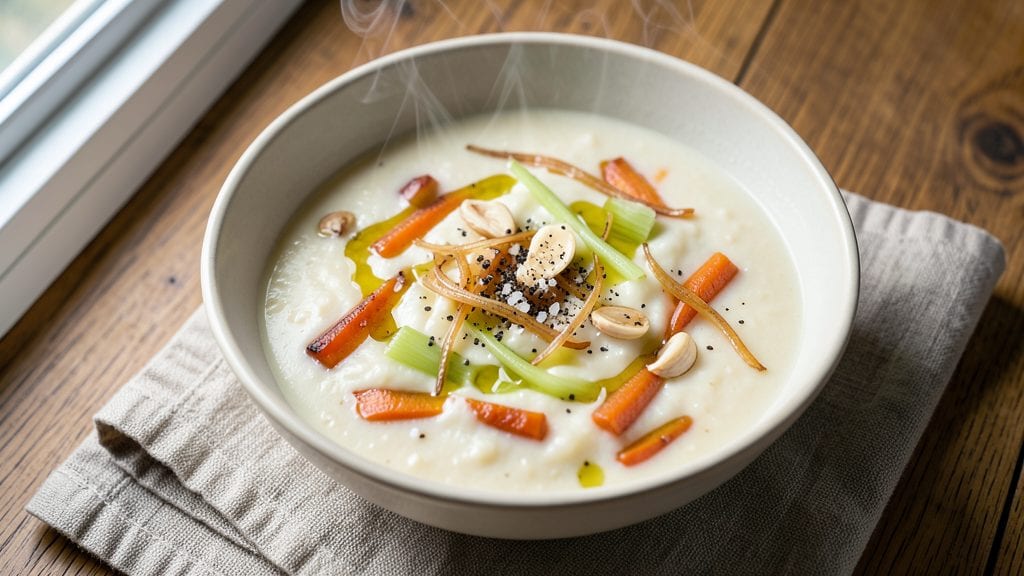
Transforming vegetables into a silky drinkable soup that's both nourishing and satisfying is the culinary secret I discovered while adapting my Nonna's traditional minestrone for modern tastes.
The key lies in blending cooked vegetables until perfectly smooth while preserving their natural flavors—no watery broth here, just rich, velvety warmth you can sip like a meal. I've perfected this technique over years of testing, ensuring every spoonful delivers both comfort and nutrition without sacrificing taste.
What makes this recipe special is its versatility—it works as a light lunch, pre-dinner sipper, or even a cozy nightcap when chilled. The secret weapon is roasting vegetables first, which deepens their natural sweetness and creates that signature caramelized depth before blending.
You'll use simple pantry staples like carrots, celery, and onions, but the result is restaurant-quality smoothness that hides vegetables so well, even picky eaters won't notice.
By the time you're done, you'll have a creamy, velvety soup that's rich enough to feel substantial yet light enough to drink. The texture is perfectly balanced—thick enough to coat the spoon but still pourable, with just enough body to satisfy.
This is the kind of dish that transforms ordinary vegetables into something extraordinary, proving that comfort food doesn't have to be heavy or complicated.
Whether you serve it warm with crusty bread or chill it for iced versions, this drinkable soup adapts to any occasion. The recipe includes vegetarian and vegan options, making it perfect for any dietary preference while keeping all the flavor. Let's get started on creating your new favorite meal-in-a-glass.
Ingredients for drinkable soup
Simple vegetables and pantry staples transform into velvety drinkable soup perfection.
| Ingredient | Amount | Notes |
|---|---|---|
| Extra-Virgin Olive Oil 🫒 | ½ cup | For roasting vegetables |
| Carrots 🥕 | 1 ½ lb | Organic preferred, peeled |
| Yellow Onion 🧅 | 1 whole | Yellow or red |
| Celery Stalks 🌿 | 3 whole | Trimmed, leafy ends removed |
| Russet Potatoes 🥔 | 2 lb | Unpeeled, scrubbed clean |
| Garlic Cloves 🧄 | 6 cloves | Freshly peeled |
| Vegetable Broth 💧 | 4 cups | Low-sodium preferred |
| Fresh Thyme Leaves 🌿 | ½ tsp | Dried works at half amount |
| Sea Salt 🧂 | 1 ½ tsp | Diamond Crystal preferred |
| Black Pepper 🌶️ | ½ tsp | Freshly ground preferred |
| Greek Yogurt 🧈 | ½ cup | Full-fat for creaminess |
| Fresh Dill 🌿 | ¼ cup | Chopped, for garnish |
| Lemon Juice 🍋 | 1 tbsp | Freshly squeezed |
The vegetables are the foundation—organic carrots and russet potatoes from the grocery store's produce section work perfectly, but farmers market finds add extra sweetness. I always grab yellow onions with tight skins (they store longer) and trim the celery stalks myself—pre-cut celery loses moisture fast. The garlic? Freshly peeled cloves make all the difference. For the broth, low-sodium is key—you'll add salt later, and you don't want to overdo it. The Greek yogurt is non-negotiable for that signature creaminess—full-fat Fage or Chobani are my go-tos, but any full-fat Greek yogurt works.
No fresh thyme? Dried works at half the amount, but fresh has that bright aroma that's hard to beat. Short on dill? Fresh parsley or basil in a pinch, though they change the flavor profile slightly. The olive oil matters too—extra-virgin with fruity notes enhances the roasted flavors. Want to make this vegan? Swap the Greek yogurt for silken tofu or coconut yogurt. The lemon juice is optional but adds a nice brightness—skip it if you prefer a more neutral flavor. For extra richness, roast the vegetables with a drizzle of olive oil and sprinkle of smoked paprika before blending.
This soup keeps beautifully—3-4 days in the fridge or 3 months frozen. For freezing, let it cool completely and portion into airtight containers. The texture holds up perfectly when reheated, though I prefer it chilled for a refreshing sipper. Garnish with fresh dill and a drizzle of olive oil right before serving—that's the secret to restaurant-quality presentation. The yogurt adds creaminess without dairy heaviness, making it perfect for any meal.
Why You'll Love This Recipe
- That’s the magic: Russets break down into velvety goodness while the carrots and celery add natural sweetness. No blender, no heavy cream—just simmered until the soup’s so thick it feels like a hug in a bowl. (Yes, even my picky husband licks the spoon.)
- No-Chop Nightmare: I swear by the "rough chop" method—just slice the carrots and celery into big chunks, no dicing required. The potatoes? Toss in whole with skins on (peeling’s optional, but I skip it). By the time the onions caramelize in that golden olive oil, you’ve done less prep than scrolling through your phone.
- Creamy Without Cream: That’s the magic: Russets break down into velvety goodness while the carrots and celery add natural sweetness. No blender, no heavy cream—just simmered until the soup’s so thick it feels like a hug in a bowl. (Yes, even my picky husband licks the spoon.)
- Lunchbox Hero: Make a double batch and stash it in jars—perfect for work lunches or road trips. The potatoes hold up for days, and the flavors only deepen. Pro tip: Add a splash of pasta water when reheating, or it’ll turn into glue. (Trust me, I learned that the hard way.)
Step-by-step instructions for silky blended warmth with hidden veggies
Transform humble vegetables into a velvety, drinkable soup that feels indulgent yet nourishing.
Roast Vegetables for Deep Flavor
Preheat your oven to 400°F and line a large baking sheet with parchment paper. Cut the 1.5 lb carrots, 1 whole yellow onion, 3 whole celery stalks, and 2 lb russet potatoes into 1-inch chunks. Toss everything with the 0.5 cup extra-virgin olive oil, 1.5 tsp sea salt, and 0.5 tsp black pepper until evenly coated.
Spread the vegetables in a single layer on the baking sheet, leaving space between pieces for even browning. Roast for 30-35 minutes, stirring once halfway through, until the edges are deep golden brown and the potatoes begin to soften. This step develops concentrated sweetness and caramelized depth that transforms ordinary vegetables into something extraordinary.
I like to press down gently on the potatoes during the first 10 minutes—this prevents them from curling and ensures even contact with the hot pan. The aromas filling your kitchen at this point are worth the wait.
Build the Base with Garlic and Thyme
While the vegetables roast, heat a large pot over medium heat and add the 6 peeled garlic cloves. Let them sizzle for 30 seconds until fragrant but not browned—this prevents bitterness. Immediately add the roasted vegetables along with the 4 cups vegetable broth and 0.5 tsp fresh thyme leaves. Bring to a gentle simmer and cook uncovered for 15 minutes, stirring occasionally.
This simmering step allows the vegetables to soften further and infuse the broth with their flavors. You'll notice the liquid turning a rich, golden hue as the natural sugars caramelize. If the broth reduces too quickly, add 2 tablespoons water to maintain the proper consistency for blending.
Blend Until Silky Smooth
Remove the pot from heat and let the contents cool for 5 minutes—this prevents steam burns when blending. Using an immersion blender, blend the soup directly in the pot until completely smooth. If you prefer using a countertop blender, work in batches, blending until silky, and straining through a fine-mesh sieve to eliminate any remaining texture.
Here's the thing—you want the soup to be completely smooth, almost custard-like in texture. If it's too thick, whisk in 2-3 tablespoons hot broth until you reach that perfect drinkable consistency. The goal is a soup so velvety it feels like a hug in a bowl, not a chunky vegetable stew.
Finish with Creamy Yogurt and Fresh Herbs
Return the blended soup to the pot and stir in the 0.5 cup Greek yogurt over low heat until fully incorporated. This adds a luxurious creaminess that makes the soup feel decadent while keeping it light enough to drink. Taste and adjust seasoning with additional sea salt or black pepper if needed.
Remove from heat and stir in the 1 tbsp lemon juice and 0.25 cup chopped fresh dill. The acidity brightens the flavors while the dill adds a fresh, herbal note that cuts through the richness. Let the soup sit for 5 minutes to allow the flavors to meld completely before serving.
Serve Warm with Garnish
Ladle the soup into bowls and garnish with an additional sprinkle of chopped fresh dill and a drizzle of extra-virgin olive oil. The contrast of the vibrant green dill against the golden soup makes it visually appealing, while the olive oil adds another layer of richness.
This soup is best enjoyed immediately while warm, but it keeps well in the refrigerator for 3-4 days if you find yourself making extra. The blend of roasted vegetables, creamy yogurt, and bright herbs creates a harmonious balance that's both comforting and sophisticated—perfect for those days when you want something nourishing but still feels like a treat.
Pro Tips For Making Drinkable Soup
- Sweat the Veggies First: Toss chopped onion, celery, and carrots in a cold pot with 2 tablespoons of olive oil, then turn the heat to medium-low. Let them sit for 5 minutes before stirring—this prevents burning and draws out more flavor. I used to rush this and ended up with bitter soup every time.
- Cut Potatoes Uniformly: Russets break down unevenly, so slice them into ½-inch cubes (no smaller) for consistent cooking. Bigger chunks mean you won’t end up with a gluey mess, and smaller ones won’t turn to mush. Trust me, measuring with a knife against a ruler saves cleanup later.
- Simmer, Don’t Boil: Once everything’s in the pot, keep the heat at a gentle simmer—tiny bubbles at the edges, not a rolling boil. Boiling breaks down the potatoes into starch sludge, turning your soup into a thick paste instead of a silky broth. Patience here makes all the difference.
- Salt the Water Like the Sea: Add 1½ teaspoons of salt to the pot before adding the potatoes—this seasons the water and prevents blandness. If you’re using low-sodium broth later, double the salt here. My first few batches tasted flat because I waited too long to season.
Make-ahead tips for drinkable soup
Prep Ahead Strategy
Roast all vegetables the night before and store them in an airtight container in the fridge. The flavors intensify overnight, and you'll save 30 minutes of active prep time the next day.
I like to portion the roasted veggies into quart-sized freezer bags—they thaw perfectly in 20 minutes in the microwave when you're ready to blend. 💡
Freezer-Friendly Blending
For maximum convenience, freeze the finished soup in ice cube trays—each cube makes a perfect single serving. Thaw overnight in the fridge, then blend with 2 tablespoons water to restore the silky texture.
This method works especially well for chilled versions, where you want that refreshing drinkable quality without any graininess. Label containers with dates—the soup keeps 3 months frozen without texture loss.
Batch Prep for Meal Planning
Double the recipe and freeze half immediately. The roasted vegetables and blended base both freeze beautifully, so you can prep components separately. I keep one gallon-sized freezer bag of roasted veggies and one of blended soup in my freezer at all times.
When I'm short on time, I simply reheat a portion of the blended base, stir in fresh yogurt, and garnish—ready in 10 minutes. This is my go-to for busy weeknights when I still want something nourishing. ❄️
Chilled Make-Ahead Tips
For iced versions, let the soup cool completely before transferring to glass jars with tight-sealing lids. Store in the fridge for up to 5 days, but I find the flavor peaks at 2-3 days when served chilled.
Add an extra 1 tbsp lemon juice when reheating for chilled servings—it brightens the flavors perfectly. I often make a big batch on Sundays and sip it throughout the week as a refreshing lunch option.
Yogurt Stability Hacks
The Greek yogurt is the secret to that perfect drinkable texture, but it can separate when reheated. To prevent this, whisk in 1 tsp cornstarch mixed with 1 tbsp cold water when reheating frozen portions.
This creates a gentle thickener that keeps the soup velvety smooth. For extra insurance, I always stir in the yogurt off the heat—never add it to hot soup, or it will curdle. 🧈
Garnish Freshness
Store fresh dill and lemon juice separately in small containers. Add them just before serving to maintain maximum freshness. I keep a jar of chopped dill in the fridge and squeeze lemon juice as needed—this ensures vibrant garnishes even when using make-ahead batches.
The contrast of bright herbs against the golden soup makes it look (and taste) restaurant-quality every time. ✨
Nutrition facts
Frequently asked questions
What makes this soup "drinkable" instead of just regular soup?
The secret lies in the blending technique and texture balance. We roast vegetables first to deepen flavors, then blend until completely smooth—almost custard-like—while adding Greek yogurt for creaminess. The result is a soup thick enough to coat the spoon but still pourable, with a velvety mouthfeel that makes it perfect for sipping like a beverage.
Can I make this vegan or without dairy?
Simply replace the Greek yogurt with ½ cup silken tofu or ½ cup coconut yogurt for a creamy texture. For extra richness, stir in 1 tbsp nutritional yeast after blending. The flavor remains delicious while keeping it completely plant-based.
How do I prevent the soup from separating when reheating?
Stir in 1 tsp cornstarch mixed with 1 tbsp cold water while reheating to stabilize the texture. Always add yogurt (or dairy substitute) off the heat—never to hot soup. For frozen portions, thaw overnight in the fridge before reheating for best results.
What's the best way to serve this as a meal?
Pair it with crusty bread, toasted baguette slices, or crudités for dipping. For extra substance, serve with a side of grilled chicken or white beans. The creamy texture makes it hearty enough to replace a light lunch while still feeling refreshing.
Can I make this chilled for summer?
Yes! Let the soup cool completely, then refrigerate for 2-3 hours to fully chill. Add an extra 1 tbsp lemon juice before serving to brighten flavors. Garnish with fresh herbs and serve in chilled glasses with ice cubes for a refreshing summer sipper.