
Breakfast & Brunch
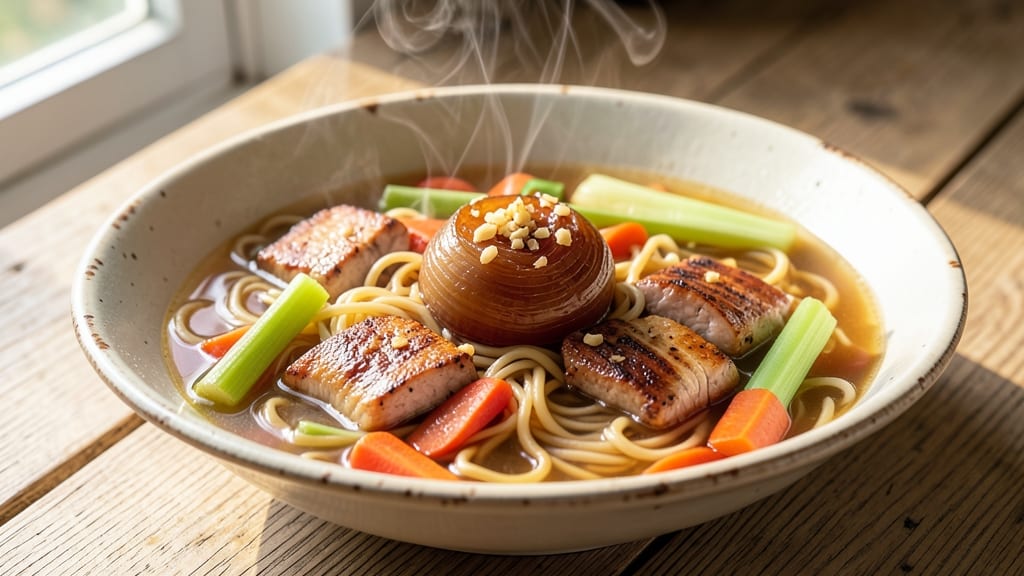
This egg noodle broth recipe delivers the ultimate comfort dish with rich umami flavors and perfectly tender noodles in a single pot. The secret lies in balancing savory broth with al dente egg noodles, creating a dish that's both hearty and easy to prepare.
I've refined this recipe over years of testing—it's the kind of meal that warms you from the inside out.
What makes this recipe special is the simplicity of its execution combined with professional results. You'll start with a flavorful broth base—simmered with aromatics, protein, and vegetables—then cook egg noodles directly in the pot.
The broth absorbs the noodles' starch, creating a cohesive, satisfying dish that requires minimal cleanup. It's the perfect balance of convenience and depth of flavor.
The final result is a steaming bowl of umami-packed broth with tender, springy noodles that cling to every spoonful. The aroma alone will fill your kitchen with warmth, while the first bite delivers a harmonious blend of savory, salty, and slightly sweet notes.
This dish is ideal for chilly mornings or cozy weeknight dinners when you crave something comforting yet straightforward.
Whether you're preparing it for yourself or a small gathering, this recipe scales effortlessly. The broth can be made ahead and reheated, making it a practical choice for busy schedules. Let's create this comforting classic that's sure to become a staple in your rotation.
Ingredients for egg noodle broth
Pantry staples and fresh aromatics—this one-pot wonder delivers cozy warmth in minutes.
| Ingredient | Amount | Notes |
|---|---|---|
| Egg Noodles 🍜 | 8 oz | Fresh or dried, medium width |
| Chicken Breast 🍗 | 1 ½ lb | Boneless, skinless, cut into chunks |
| Carrots 🥕 | 4 whole | Medium-sized, peeled and chopped |
| Celery Stalks 🧅 | 3 whole | Fresh, cut into 1-inch pieces |
| Yellow Onion 🧅 | 1 whole | Medium, sliced into wedges |
| Garlic Cloves 🧄 | 4 cloves | Fresh, minced |
| Vegetable Oil 🫒 | 2 tbsp | Neutral, high smoke point |
| Dried Parsley 🌿 | 1 tbsp | For garnish, or use fresh |
| Soy Sauce 🥢 | 2 tbsp | For umami depth |
| Miso Paste 🍶 | 1 tbsp | White or red, for richness |
| Dried Thyme 🌿 | 1 tsp | For earthy aroma |
| Salt 🧂 | 1 ½ tsp | Adjust to taste |
| Black Pepper 🌶️ | ½ tsp | Freshly ground |
| Chicken Broth 💧 | 4 cups | Low-sodium preferred |
| Water 💧 | 2 cups | For broth consistency |
The chicken breast is your umami anchor—boneless, skinless cuts work best for even cooking. Costco or Trader Joe's usually have pre-cut chunks, but grab the whole breast if you want to save money. Look for bright red meat with minimal fat—it’ll stay juicy. For extra depth, pat it dry before adding to the pot. The carrots and celery? Organic if possible—they’ll simmer longer, so fresher means sweeter. I always grab the baby carrots too—they’re perfect for this recipe and cut prep time in half.
No soy sauce? Fish sauce or Worcestershire works in a pinch, but you’ll lose some of that classic umami. Miso paste is non-negotiable for that rich, savory punch—Trader Joe's has a great affordable option. Fresh thyme is ideal, but dried at half the amount gets you close. The broth matters too: low-sodium is key so you can control the saltiness. If you’re using dried noodles, rinsing them first prevents gummy texture. And for the love of all things comforting, don’t skip the miso—it’s what makes this dish sing.
This broth reheats like a dream—tastes even better the next day once all the flavors meld. Keeps in the fridge for 4-5 days or freeze for 3 months. I always double the batch and portion it into containers for quick lunches. The noodles get softer when reheated, so use a splash of broth to loosen them up. Garnish with fresh parsley right before serving—brightens up the bowl and makes it look restaurant-worthy.
Why You'll Love This Recipe
- No-Chop Needed: I swear by this one—just slice the onion and carrots into big chunks, toss them in with the celery, and let the broth do the work. The noodles soften while the chicken shreds itself, and honestly? That’s all the prep I’ve got left after a long day.
- Umami Bomb: The combo of caramelized onion, celery, and chicken broth creates this deep, savory base that makes every bite taste like a hug. Add the egg noodles, and you’ve got that perfect chewy texture that soaks up all the flavor—no bland broth here.
- Lunchbox Hero: Between us, this is my go-to for meal prep. Double the batch, let it cool, and pack it in containers for the week. My kids (and my lunchbox-loving husband) devour it cold or reheated—proof it’s just as good the next day as it is fresh out of the pot.
- Wallet-Friendly Powerhouse: Chicken breast and veggies stretch into four servings for pennies. I buy the store brand noodles, use the cheapest onion and carrots, and still end up with a meal that feels fancy. Leftovers? Even better—freeze half for those nights when you’d rather binge Netflix than cook.
Step-by-step instructions for egg noodle broth
Here's how to create a deeply flavorful, comforting broth that transforms simple ingredients into something extraordinary.
Sear the Chicken for Maximum Flavor
Heat the 2 tablespoons vegetable oil in a large Dutch oven over medium-high heat until shimmering. Add the 1.5 lb chicken breast cut into chunks, working in batches if needed to avoid crowding. Let the chicken sear undisturbed for 3-4 minutes per side until golden brown and cooked through to an internal temperature of 165°F.
This searing step is crucial—it develops a rich, nutty crust that infuses the broth with deep flavor. Don't rush this; you'll know it's ready when the chicken releases easily from the pan. Remove the chicken and set it aside on a plate, leaving all the browned bits in the pot—they're packed with flavor that will dissolve into the broth.
Build the Aromatic Vegetable Base
In the same Dutch oven, add the sliced 1 whole yellow onion, chopped 4 whole carrots, and cut 3 whole celery stalks. Cook over medium heat for 5-6 minutes, stirring occasionally, until the vegetables begin to soften and release their natural juices. Add the minced 4 cloves garlic cloves and cook for another 30 seconds until fragrant.
Here's where the magic happens—the combination of onion, celery, and carrots creates what chefs call "mirepoix," a classic flavor foundation. The garlic adds a final aromatic punch before we move to the next flavor layer. Keep the heat at medium to prevent burning, which would make the broth bitter.
Add Liquids and Seasonings for Depth
Pour in the 4 cups chicken broth and 2 cups water, scraping up any browned bits from the bottom of the pot with a wooden spoon. Stir in the 2 tablespoons soy sauce, 1 tablespoon miso paste, 1 teaspoon dried thyme, 1.5 teaspoons salt, and 0.5 teaspoon black pepper. Bring the mixture to a gentle boil over high heat, then immediately reduce the heat to low and let it simmer uncovered for 20 minutes.
The miso paste and soy sauce work together to create an umami-rich broth that's far more complex than plain chicken broth. The simmering time allows all the flavors to meld together while the vegetables continue to break down and infuse their sweetness into the liquid. This is where your broth goes from good to extraordinary.
Cook the Noodles to Al Dente Perfection
While the broth simmers, prepare the 8 oz egg noodles according to package instructions for al dente texture, but cook them for 1 minute less than recommended. Reserve 1 cup of the pasta water before draining. Add the cooked noodles to the simmering broth along with the chicken chunks, breaking the chicken into bite-sized pieces as you go.
Real talk: The noodles will finish cooking in the broth, absorbing all those incredible flavors. The reserved pasta water is your secret weapon here—it helps maintain the perfect consistency if the broth seems too thick. Stir everything together and let it cook for an additional 5 minutes to ensure the noodles are fully tender and the chicken is heated through.
Finish with Fresh Herbs and Serve Warm
Remove the pot from heat and stir in the 1 tablespoon dried parsley. Taste and adjust seasoning if needed—this is your chance to make it perfect. The parsley adds a fresh, bright note that cuts through the richness of the broth. If the consistency is too thick, add a splash of the reserved pasta water to loosen it.
Ladle the hot egg noodle broth into bowls immediately and serve with extra parsley sprinkled on top. The comforting aroma alone will make this feel like a warm hug on a chilly day. Each spoonful delivers that perfect balance of savory, umami, and homey comfort that makes this dish so special.
Pro Tips For Making Egg Noodle Broth
- Sear Chicken First: I learned this the hard way—skipping the sear means bland broth. Pat the chicken dry, then brown it in a hot pot before adding liquid. The crust locks in flavor and keeps the meat from turning rubbery while simmering.
- Chop Veggies Evenly: Big onion chunks or uneven celery stalks mean some parts cook too fast, others not enough. Aim for ½-inch pieces—small enough to soften quickly but not disappear into mush. (Yes, even if it looks like baby food.)
- Simmer, Don’t Boil: A rolling boil scalds the noodles and clouds the broth. Keep it at a gentle simmer—tiny bubbles at the edges—so the broth stays clear and the noodles absorb flavor without falling apart.
- Add Noodles Last: Tossing them in too early turns the broth into soup. Cook the broth with chicken and veggies until rich, then drain the noodles separately and plunge them into the hot liquid for 2 minutes. They’ll soak up flavor without turning to glue.
Troubleshooting this recipe
Broth Too Thin?
If your broth ends up watery, it’s likely because the vegetables didn’t break down enough or the liquid wasn’t reduced properly. To fix this, simmer the broth uncovered for an extra 10-15 minutes to evaporate excess moisture.
For next time, try using 1 cup less liquid (3 cups broth + 1 cup water) and add 1 extra tablespoon of miso paste—it thickens naturally as it cooks. 💫
Noodles Turning Gummy?
Overcooked or dried-out noodles are usually the result of either over-salting the broth or not reserving pasta water. First, rinse the noodles briefly in cold water before adding them to the broth to remove excess starch.
Then, always reserve 1 cup of pasta water—add it gradually if the broth seems too thick. If the noodles are already gummy, stir in 2-3 tablespoons of cold water while reheating to restore texture.
Broth Lacking Depth?
Flat or bland broth often means the umami components (soy sauce, miso, and chicken sear) weren’t developed enough. Boost flavor by roasting the vegetables for 20 minutes at 400°F before adding them to the pot—this caramelizes their sugars.
Also, don’t skip the sear on the chicken; those browned bits are flavor gold. For an extra kick, add 1 teaspoon of fish sauce or ½ teaspoon of MSG (if you’re okay with it) to the simmering broth. 🌶️
Chicken Staying Tough?
Tough chicken usually means it was overcooked or not rested properly. First, cut the chicken into smaller, even chunks (about 1-inch pieces) so it cooks faster.
Second, remove the chicken from the broth once it reaches 165°F and let it rest for 5 minutes before shredding or breaking it apart. If you’re reheating leftovers, cover the pot with a lid and heat on low-medium to prevent drying out.
Vegetables Too Crunchy?
If your carrots or celery aren’t soft enough, they likely didn’t simmer long enough. For next time, chop the vegetables slightly smaller (about ½-inch pieces) and simmer the broth for 25-30 minutes instead of 20.
If they’re still undercooked in your current batch, mash them gently with a wooden spoon while the broth simmers to break them down faster. Pro tip: Add a pinch of baking soda (¼ teaspoon) to the broth to help tenderize the veggies naturally. 🥕
Broth Too Salty?
Over-salting is a common mistake, especially when using low-sodium broth. To fix it, dilute the broth by adding ½ cup of water or unsalted broth and simmer for 5 minutes to balance the flavor.
For prevention, taste the broth before adding all the salt—start with 1 teaspoon and adjust. If you’re using dried noodles, rinse them briefly before cooking to reduce excess salt absorption from the broth.
Nutrition facts
Frequently asked questions
Can I make this with dried egg noodles instead of fresh?
Dried egg noodles work perfectly—just follow package instructions for al dente cooking, but reduce time by 1 minute since they'll finish in the broth. Rinse them briefly in cold water before adding to prevent gumminess.
What can I substitute if I don't have miso paste?
For umami depth, use 1 tablespoon soy sauce + ½ teaspoon fish sauce or 1 tablespoon Worcestershire sauce. If avoiding soy entirely, add 1 extra teaspoon of dried mushrooms (like shiitake) to the broth while simmering. The flavor won't be identical but will still be delicious.
How do I prevent the broth from getting cloudy?
Cloudiness usually means starch from vegetables or noodles isn't settling. After simmering, carefully ladle the broth through a fine-mesh strainer into a clean pot, leaving solids behind. For extra clarity, skim any foam that forms while simmering.
Can I make this vegetarian?
Yes! Replace chicken with 1 lb firm tofu (pressed and cubed) or 1 cup dried lentils. Use vegetable broth instead of chicken broth, and add 1 teaspoon smoked paprika for depth. The miso and soy sauce will still provide that savory richness.
Why does my broth taste better the next day?
The flavors deepen as the broth cools and rests—this is called \"flavor melding.\" The miso paste continues to break down, releasing more umami, while the noodles absorb and concentrate the broth's essence. Reheat gently on low heat to preserve texture.