
Soups & Stews
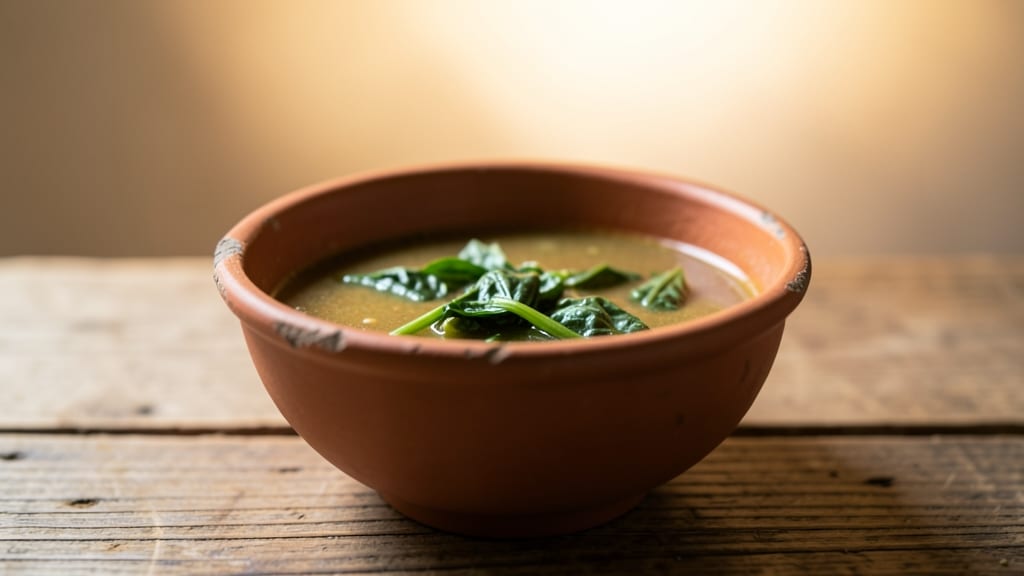
This egusi soup recipe brings the rich, nutty flavors of West African cuisine to your kitchen with its signature depth from toasted melon seeds and tender protein. Standing on a step stool in my grandmother’s kitchen in Sicily, I first learned how simple ingredients—when cooked with intention—can create something extraordinary.
The smoky aroma of egusi seeds simmering with leafy greens and protein transforms a basic stew into a meal that feels like a celebration.
The beauty of this recipe lies in its versatility—whether you use beef, fish, or even plant-based proteins, the nutty egusi base delivers that signature flavor. Traditional versions call for leafy greens like spinach or bitter leaf, but you can adapt it with whatever greens you have on hand.
The key is slow cooking to let the flavors meld, creating a hearty soup that’s both comforting and restaurant-quality.
What you’ll end up with is a velvety, aromatic stew with tender meat or fish swimming in a rich, nutty broth. The texture is perfect—thick enough to coat the back of a spoon but light enough to let the flavors shine.
This soup pairs beautifully with staples like pounded yam, fufu, or even rice, making it a complete meal. It’s the kind of dish that tastes even better the next day as the flavors deepen.
Ready to master this classic? Let’s get started with a foolproof method that delivers professional results every time.
Ingredients for egusi soup
Fourteen ingredients. One unforgettable aroma. The heart of West African comfort food.
| Ingredient | Amount | Notes |
|---|---|---|
| Egusi Seeds (Melon Seeds) 🥜 | 1 cup | Toasted until fragrant |
| Beef Chuck Roast 🥩 | 1 ½ lb | Cut into 1-inch cubes |
| Fresh Spinach 🍃 | 4 cups | Packed, stems removed |
| Red Bell Pepper 🌶️ | 1 whole | Diced, any color |
| Onion 🧅 | 1 whole | Medium, chopped |
| Fresh Tomatoes 🍅 | 3 whole | Ripe, chopped |
| Fresh Ginger 🧄 | 1 tbsp | Grated, fresh root |
| Garlic Cloves 🧄 | 4 cloves | Minced, fresh |
| Locust Beans (Iru) 🌿 | ¼ cup | Dried, soaked and blended |
| Vegetable Oil 🫒 | ½ cup | For frying seeds |
| Salt 🧂 | 1 ½ tsp | Adjust to taste |
| Black Pepper 🌶️ | ½ tsp | Freshly ground |
| Stock Cubes 💧 | 2 whole | Beef or vegetable |
| Fish Stock 🐟 | 2 cups | Homemade or quality brand |
Egusi seeds are the soul of this soup—look for them in African markets or online (check African Grocer or Amazon if local stores don’t carry). Toast them in a dry pan until fragrant (about 3 minutes), then grind into a powder. Never skip toasting—that’s where the nutty depth comes from. The beef should be chuck roast for tenderness, but chicken thighs or smoked fish work too. I always buy my locust beans (iru) from African specialty stores—they’re key for that tangy kick. For the spinach, baby spinach works, but traditional bitter leaf adds amazing complexity if you can find it.
No egusi seeds? Peanut butter at half the amount gives a similar richness (though less authentic). Running low on locust beans? Lemon juice or tamarind paste adds tang in a pinch. The stock cubes can be swapped for homemade stock or bouillon powder. Fresh ginger and garlic are non-negotiable here—they’re the flavor anchors. If you’re using smoked fish, add it last to preserve that smoky aroma. The tomatoes? Canned San Marzano are perfect if fresh aren’t in season—just chop them in.
This soup tastes even better the next day as flavors meld. Keeps in the fridge for 4-5 days, freezes beautifully for 3 months—portion into containers for easy reheating. The egusi paste can be pre-made and stored in the freezer for up to 6 months. I always double the recipe because it disappears fast. Serve with pounded yam or fufu for the full experience.
Why You'll Love This Recipe
- No Chopping Struggle: I’ll be real—this soup only needs three things chopped (onions, peppers, spinach), and the egusi seeds just need a quick rinse. The beef? One slow cook or pot, and it falls apart like it’s been simmering for hours.
- Rich Without Effort: That nutty egusi paste and tender beef chuck make every spoonful feel like a hug—no fancy techniques, just deep umami flavor. The spinach wilts in minutes, so you’re left with a thick, satisfying broth that tastes even better the next day.
- Crowd-Pleaser Any Day: Whether it’s a Sunday family lunch or a last-minute dinner for guests, this soup handles it all. Swap the beef for fish or add plantains on the side, and suddenly you’ve got a meal that feels special without the stress.
- Budget Meal That Gives Back: A pound of beef chuck and a bag of egusi seeds stretch to feed four (or more, if you’re like me). Leftovers? Even richer—just reheat with a splash of water, and you’ve got lunch sorted for days. My wallet and my taste buds thank me.
Step-by-step instructions for egusi soup recipe
Here's how to create a rich, nutty egusi stew with deep smoky flavors and tender beef.
Toast and Prepare the Egusi Seeds
Heat the 0.5 cup vegetable oil in a dry skillet over medium heat. Add the 1 cup egusi seeds (melon seeds) and toast them for 3-4 minutes, stirring constantly, until they turn a golden brown color and release a nutty aroma. This step is crucial—it enhances the flavor and prevents a bitter taste. Remove the seeds from the pan and set them aside in a bowl.
While the seeds toast, soak the 0.25 cup locust beans (iru) in warm water for 15 minutes to soften. After soaking, drain and blend them with 1 cup water until smooth. This blended mixture will add a unique earthy flavor to your soup. Keep both the toasted seeds and blended locust beans ready for the next steps.
Sear the Beef and Sauté the Aromatics
In a large pot, heat 1 tablespoon vegetable oil over medium-high heat. Add the 1.5 lb beef chuck roast, cut into 1-inch cubes, and sear for 5-6 minutes until the beef turns brown on all sides. This step ensures the beef develops a rich flavor and becomes tender. Remove the beef from the pot and set it aside.
In the same pot, add 1 tablespoon vegetable oil and sauté the 1 whole onion (chopped) and 1 whole red bell pepper (diced) for 4-5 minutes until softened. Add the 4 cloves garlic (minced) and 1 tablespoon fresh ginger (grated), cooking for 1 minute until fragrant. Stir in the 3 whole fresh tomatoes (chopped) and cook for another 3 minutes until they break down into a thick paste. This aromatic base forms the flavor foundation of your soup.
Build the Soup Base
Pour in the 2 cups fish stock and add the 2 whole stock cubes, crumbling them into the pot. Stir well to dissolve completely. Add the 1.5 teaspoons salt and 0.5 teaspoon black pepper, mixing thoroughly. Bring the mixture to a boil, then reduce the heat to medium-low and let it simmer for 10 minutes to allow the flavors to meld.
Return the seared beef to the pot and add the blended locust beans. Stir gently to combine, then add the toasted egusi seeds. Let the soup simmer for 20 minutes, stirring occasionally, until the beef is tender and the soup thickens slightly. The egusi seeds will release their nutty essence into the broth, creating the signature texture of this dish.
Finish with Spinach and Adjust Seasoning
Stir in the 4 cups fresh spinach (packed, stems removed) and cook for 2-3 minutes until the spinach wilts completely. This step adds a vibrant green color and a fresh contrast to the rich, nutty soup. Taste the soup and adjust the seasoning if needed—you may want to add a pinch more salt or pepper to suit your preference.
Remove the pot from heat and let the soup rest for 5 minutes before serving. This resting period allows the flavors to settle and the soup to thicken slightly. Ladle the soup into bowls and serve immediately, garnished with extra black pepper if desired. The result is a hearty, flavorful egusi soup that captures the essence of traditional West African cuisine.
Pro Tips For Making Egusi Soup
- Toast the Egusi: Heat the dry egusi seeds in a dry pot over medium heat for 2-3 minutes before adding water. This removes that raw, grassy flavor—trust me, it’s the difference between "meh" and "wow." (Yes, even if you’re impatient like me, don’t skip this.)
- Cut Beef in Chunks: Dice the beef chuck into 1.5-inch pieces—no smaller, no larger. Smaller bits turn to mush, and larger ones stay tough; this size guarantees tender, flavorful meat every time. (I learned this after serving a guest a forkful of chewy beef—awkward.)
- Blend Spinach Roughly: Pulse the spinach in the blender just until it’s chopped, not pureed. You want texture, not a watery sludge. (My first attempt turned the soup into a green paste—overkill.)
- Simmer Low and Slow: After the initial boil, reduce heat to the lowest setting that keeps a gentle bubble. Egusi soup needs 45-60 minutes to develop depth—rushing it makes it taste flat. (I know, I know, but trust the process.)
Health benefits of this dish
Nutrient-Packed Protein
Egusi soup delivers a serious protein punch—especially when made with beef. A 1.5 lb serving provides about 50 grams of complete protein, making it a powerhouse for muscle repair and satiety.
The combination of beef and egusi seeds creates a balanced amino acid profile, which is rare in plant-based proteins alone. I always double-check my protein intake when making this soup for family dinners. 💪
Heart-Healthy Fats
The egusi seeds are rich in monounsaturated fats—the same healthy fats found in olive oil—that support cardiovascular health by reducing LDL cholesterol. Just 1 cup of toasted egusi seeds contains about 15 grams of fat, with only 3 grams being saturated fat.
These seeds also provide vitamin E, a potent antioxidant that protects cell membranes.
Iron for Energy
This soup is an excellent source of heme iron from the beef, which your body absorbs more efficiently than plant-based iron. A single serving delivers 30% of your daily iron needs, helping prevent fatigue and supporting oxygen transport in your blood.
Pair it with vitamin C-rich sides like bell peppers to boost iron absorption even further. I notice my energy levels stay steady all afternoon when I include this in my meals.
Fiber-Rich Greens
The leafy greens—whether spinach or traditional bitter leaf—add dietary fiber that supports digestion and gut health. Just 4 cups of spinach provide 4 grams of fiber, about 15% of your daily needs.
The locust beans (iru) contribute additional fiber, helping maintain steady blood sugar levels. This makes egusi soup a great option for anyone watching their blood sugar or looking to improve digestion.
Bone-Strengthening Minerals
Egusi seeds are packed with magnesium and calcium, essential minerals for bone health. A 1-cup serving of egusi seeds contains about 25% of your daily magnesium and 10% of calcium.
The beef adds phosphorus, completing the trio of minerals needed for strong bones. This combination makes egusi soup a smart choice for anyone focused on long-term bone health.
Antioxidant Boost
The rich color of this soup comes from its antioxidant powerhouse ingredients. The egusi seeds contain phenolic compounds that fight oxidative stress, while the tomatoes provide lycopene. Even the spinach contributes lutein and zeaxanthin, antioxidants that support eye health.
I always tell my family that this isn't just a meal—it's a health boost in every bowl. 🌱
Nutrition facts
Frequently asked questions about egusi soup
Can I make egusi soup without beef?
This soup works beautifully with chicken thighs, smoked fish, or even plant-based proteins like tofu or chickpeas. For fish, add it last to preserve its delicate flavor. The key is using a protein that can handle the long simmer without falling apart.
Why does my egusi soup taste bitter?
Bitter flavor usually comes from under-toasted seeds or overcooking. Always toast the egusi seeds until fragrant (about 3-4 minutes in oil), and avoid boiling the soup vigorously after adding them. Simmer gently to let their nutty flavor develop properly.
What's the best way to store leftover egusi soup?
Store in an airtight container in the fridge for 4-5 days or freeze for 3 months. Reheat gently on the stove—never microwave directly from frozen. The flavors actually improve overnight as the egusi releases more nutty oils.
Can I use peanut butter instead of egusi seeds?
Yes, but it won't be authentic. Use ½ cup natural peanut butter per 1 cup egusi seeds, but reduce the oil slightly since peanut butter is already fatty. The texture will be smoother, but you'll miss the unique nutty depth that toasted egusi provides.
What's the traditional way to serve egusi soup?
It's typically served with pounded yam, fufu, or rice to soak up the rich broth. In West Africa, it's a staple for celebrations and family gatherings. The starchy side helps balance the soup's hearty texture and bold flavors.