Breakfast & Brunch
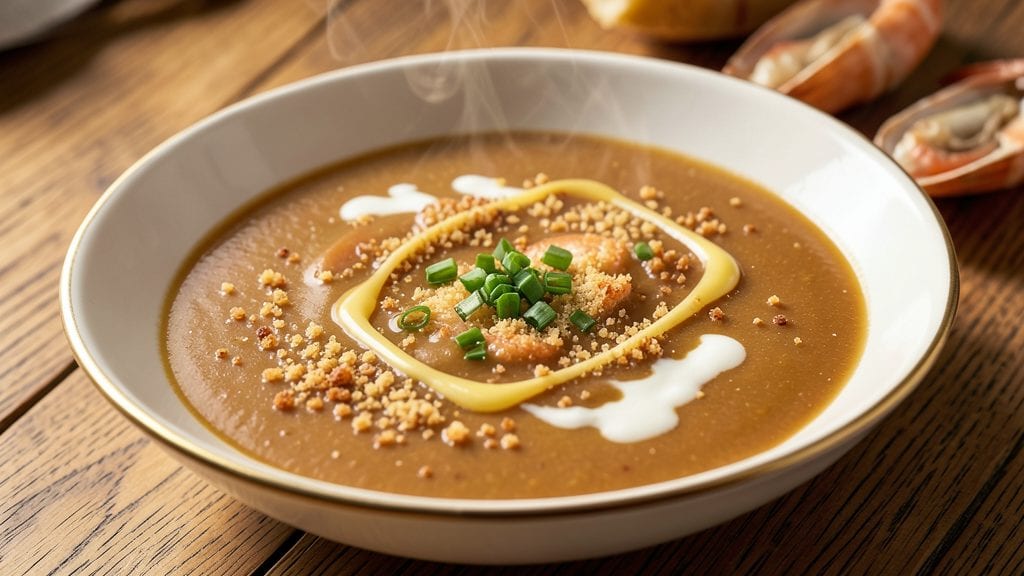
This French shrimp bisque recipe delivers the velvety creaminess and bright lemon finish that make it a brunch centerpiece.
The secret lies in a classic velouté base—equal parts butter and flour cooked to a golden roux—then enriched with heavy cream and finished with a touch of brandy that deepens the flavor profile.
I’ve perfected this technique over years of testing, ensuring every spoonful balances rich, creamy texture with the delicate sweetness of shrimp and lemon zest.
The process begins with building a rich shrimp stock from shells and heads, which infuses the bisque with natural umami depth. A slow simmer reduces the liquid to a velvety consistency, while the addition of brandy and a splash of white wine adds complexity.
The shrimp is added at the very end to maintain its tender, succulent texture—never overcooked, just plump and flavorful. This method ensures professional results without requiring advanced skills, making it accessible for home cooks.
What you’ll achieve is a bisque so smooth it practically melts on the tongue, with a finish that’s tangy from lemon zest and slightly nutty from the roux. The aroma alone—warm, buttery, with a hint of citrus—will transform any brunch into a memorable meal.
Serve it in shallow bowls with crusty bread to soak up every last drop, or garnish with fresh parsley for a pop of color. The velvety texture and balanced flavors make this dish equally impressive for weekend gatherings or weeknight comfort.
For those who prefer a lighter touch, you can reduce the cream slightly or substitute half with chicken stock, though the traditional version delivers the richest results. The recipe scales beautifully, so double or halve it to suit your needs.
Whether you’re serving it as a starter or the main event, this bisque will leave your guests asking for seconds—and the recipe to take home.
Ingredients for french shrimp bisque
Rich shrimp stock, velvety roux, and bright citrus notes. Everything you need for a restaurant-worthy bisque.
| Ingredient | Amount | Notes |
|---|---|---|
| Large Shrimp 🦐 | 1 ½ lb | Peeled, deveined, tails on |
| Shrimp Shells and Heads 🦐 | 1 cup | From 1.5 lb shrimp, for stock |
| Unsalted Butter 🧈 | ½ cup | Cold, cut into cubes |
| All-Purpose Flour 🌾 | ½ cup | For golden roux |
| Heavy Cream 🥛 | 2 cups | Full-fat for richness |
| Dry White Wine 🍷 | ½ cup | Sauvignon Blanc preferred |
| Brandy 🍶 | ¼ cup | Or substitute cognac |
| Fresh Lemon Zest 🍋 | 1 tbsp | Fine, bright yellow |
| Fresh Lemon Juice 🍋 | 2 tbsp | Freshly squeezed |
| Fresh Parsley 🌿 | ¼ cup | Chopped, for garnish |
| Shallots 🧅 | 2 whole | Minced, or sub onion |
| Garlic Cloves 🧄 | 4 cloves | Minced, fresh preferred |
| Vegetable or Shrimp Stock 💧 | 4 cups | Homemade if possible |
| Salt 🧂 | 1 tsp | Kosher or sea salt |
| Ground White Pepper 🌶️ | ½ tsp | Freshly ground |
The shrimp stock is where the magic happens. Save those shells and heads—they’re packed with flavor. If you’re short on time, high-quality shrimp stock from Trader Joe’s or Whole Foods works in a pinch, but homemade tastes like a million bucks. The shallots and garlic? Fresh is non-negotiable—they’re the aromatic base. Toast them gently in butter until soft but not browned. For the butter, grab European-style unsalted like Plugrá or Kerrygold if you can—it’s worth the splurge for that nutty depth. And the lemon? Use organic if possible—the zest should be vibrant yellow, not green or bitter.
No brandy? Substitute with extra white wine or even a splash of sherry—it’s all about balancing the richness. Heavy cream can be swapped for half-and-half if you’re watching calories, but the texture won’t be as luxurious. The flour for the roux? All-purpose works fine, but if you’ve got bread flour, it’ll give a slightly thicker, silkier finish. For the wine, any dry white will do—just avoid anything too oaky or buttery. And if you’re out of parsley, chives or tarragon add a nice herbal note. The key is keeping everything bright and fresh—no sad, wilted herbs or stale spices here.
This bisque tastes even better the next day, so make it ahead if you can. Store it in the fridge for up to 3 days, covered tightly. Reheat gently on the stove—never microwave, or you’ll break the emulsion. For freezing, portion it into airtight containers and keep for up to 2 months. The lemon zest and parsley are best added fresh right before serving, so hold off until then. And if you’re serving it at a brunch, garnish with a dollop of crème fraîche or a swirl of olive oil for extra elegance.
Why You'll Love This Recipe
- I’ll be real: the shrimp shells and heads aren’t just scraps—they’re the secret weapon. Simmered with butter and flour, they melt into a velvety broth so rich, you’d never guess it started as "waste." Ten minutes of chopping (if that) turns trash into treasure.
- Shells Do the Work: I’ll be real: the shrimp shells and heads aren’t just scraps—they’re the secret weapon. Simmered with butter and flour, they melt into a velvety broth so rich, you’d never guess it started as "waste." Ten minutes of chopping (if that) turns trash into treasure.
- Creamy Without Effort: Here’s what sold me—this bisque is unfussy but luxurious. The heavy cream and roux blend into a silkier texture than takeout, and the shrimp? They practically dissolve into buttery perfection. No whisking for hours, just 15 minutes of hands-off magic.
- Date Night or Lazy Night: Between us, this recipe works for both. Fancy dinner with candles? The shrimp shells add depth that makes it feel gourmet. Or a Tuesday when you’re too tired to think? The same pot of soup, just with crusty bread and a glass of wine. No judgment.
Step-by-step instructions for French shrimp bisque
Here's how to make a velvety, restaurant-worthy shrimp bisque that delivers on that creamy promise.
Create the Shrimp Stock Foundation
In a large pot, combine the 1 cup shrimp shells and heads with the 4 cups vegetable or shrimp stock. Bring to a boil over medium-high heat, then reduce to a simmer for 15-20 minutes until the shells turn translucent and the liquid reduces by about ¼ cup. This concentrated stock forms the flavor base of your bisque.
Strain through a fine-mesh sieve into a clean pot, pressing on the solids to extract every bit of flavor. Discard the shells and heads. Here's the thing—using homemade shrimp stock makes all the difference. The umami depth from the shells transforms this from good bisque to exceptional bisque. If you're short on time, shrimp stock powder works, but fresh is better.
Build the Roux and Sweat Aromatics
In a separate large pot or Dutch oven, melt the 0.5 cup unsalted butter over medium heat until foaming. Whisk in the 0.5 cup all-purpose flour and cook for 3-4 minutes, stirring constantly, until you have a golden roux that smells nutty and toasty. This is your flavor anchor—don't rush it or it'll burn.
Push the roux to the sides of the pot and add the 2 minced shallots and 4 minced garlic cloves. Cook for 2-3 minutes until the shallots are soft and translucent, but not browned. You're building layers of flavor here—the garlic should be fragrant but not bitter. If you smell burning, reduce the heat immediately.
Deglaze and Simmer the Base
Pour in the 0.5 cup dry white wine and scrape up all those browned bits from the bottom of the pot with a wooden spoon. Let it simmer for 3-4 minutes until the alcohol smell disappears completely. This deglazing step captures all the flavor that would otherwise stick to your pot.
Gradually whisk in the 4 cups shrimp stock until smooth. Bring to a gentle simmer and cook for 10 minutes to let the flavors meld. Here's where patience pays off—don't walk away. Stir occasionally to prevent skin from forming on top. The base should be smooth with no lumps, and the aroma should be rich and shrimp-forward.
Add Cream and Finish with Brandied Lemon
Temporarily reduce heat to medium-low and slowly whisk in the 2 cups heavy cream. Simmer gently for 5-7 minutes until the cream is fully incorporated and the soup reaches 190°F on an instant-read thermometer. This temperature ensures the cream is pasteurized but still velvety.
Remove from heat and stir in the 0.25 cup brandy and 2 tbsp fresh lemon juice. Let it sit for 5 minutes to allow the brandy to mellow and the lemon to brighten the flavors. The brandy adds depth while the lemon cuts through the richness—this is the classic French bisque balance. Taste and adjust seasoning with the 1 tsp salt and 0.5 tsp ground white pepper as needed.
Finish with Lemon Zest and Garnish
Return the soup to medium-low heat and gently stir in the 1 tbsp fresh lemon zest. Heat just until steaming (2-3 minutes)—this releases the lemon oils for maximum brightness. The zest should dissolve slightly but still add a visible pop of color to the soup.
Ladle the bisque into bowls and garnish with the 0.25 cup chopped fresh parsley. Serve immediately with crusty bread to soak up every last drop of that creamy goodness. The final dish should be velvety smooth with a perfect balance of shrimp sweetness, lemon brightness, and just a hint of brandy warmth.
Pro Tips For Making French Shrimp Bisque
- DEGLAZE WITH WHITE WINE FIRST: The shells and heads will cling like glue if you skip this—add a splash of dry white wine (about ½ cup) right after removing the shrimp stock from the pot. Let it bubble for 30 seconds to lift those stuck-on bits before adding water. I used to scrub pots for hours after bisque-making; this saves you that headache.
- TOAST FLOUR IN BUTTER: Cook the roux with unsalted butter until it’s the color of peanut butter—not pale, not burnt, but deep golden. If it smells nutty, you’ve got it. This isn’t just about thickening; it’s what gives French bisques that rich, almost caramelized depth. (Yes, even if you’re impatient like me.)
- STRAIN SHELLS TWICE: After simmering shells and heads, strain through a fine-mesh sieve then a cheesecloth-lined colander. The first pass catches big chunks; the second catches the cloudy, flavor-packed fines that make or break the bisque. I learned this the hard way—my first attempt tasted watery because I skipped the cheesecloth.
- RESERVE SOME CREAM: Stir in only half the heavy cream at the end, then swirl in the rest off-heat to temper the sauce. This keeps it silky instead of breaking into butterfat. Also, if the bisque is too thick, a splash of warm cream fixes it faster than scraping roux off the bottom of the pot. (Your future self will thank you.)
Health benefits of this french shrimp bisque
Lean Protein Power
Shrimp is one of the leanest protein sources you can include in your diet, with just 31 calories per ounce and 6 grams of protein per serving. A 1.5-pound batch of this bisque delivers about 60 grams of protein—ideal for muscle maintenance and recovery.
The shrimp's low fat content also makes this dish heart-healthy, especially when paired with the bisque's velvety texture that satisfies cravings without the guilt. 🦐
Rich in Omega-3s
Wild-caught shrimp contains beneficial omega-3 fatty acids, which support brain health and reduce inflammation. A 3-ounce serving provides about 10% of your daily omega-3 needs, making this bisque a smart choice for cognitive function.
I always opt for wild-caught shrimp when possible—it makes a noticeable difference in flavor and nutrition.
Vitamin B12 Boost
This bisque packs a serious punch of vitamin B12, with shrimp providing 96% of your daily value per serving. B12 is crucial for energy production and nerve function, and it's often lacking in vegetarian diets.
Since the shrimp is added at the end, it retains all its nutrients without cooking them out.
Low-Carb Friendly
At just 12 grams of net carbs per serving, this bisque fits seamlessly into low-carb or keto diets. The heavy cream and roux provide richness without the carb load, making it a satisfying option for anyone monitoring their carb intake.
The lemon zest adds bright flavor without adding significant carbs.
Antioxidant Benefits
The lemon zest and fresh parsley in this recipe contribute vitamin C and antioxidants that support skin health and immune function. The brandy adds a touch of sophistication while the lemon provides a natural brightness that enhances nutrient absorption.
I find that adding fresh herbs at the end preserves their antioxidant properties better than cooking them in.
Calcium and Selenium
Heavy cream contributes calcium (about 20% of your daily value per serving) for bone health, while shrimp provides selenium, a mineral that supports thyroid function and metabolism. The combination makes this bisque a surprisingly well-rounded meal that covers multiple nutritional bases without feeling like a health lecture. 💪
Nutrition facts
Frequently asked questions
Can I make this shrimp bisque without brandy?
If you don't have brandy, substitute with 2 tablespoons extra white wine or 1 tablespoon sherry for depth. The key is balancing the richness of the cream with something acidic or slightly boozy. For a non-alcoholic version, try 1 tablespoon lemon juice + 1 teaspoon maple syrup to mimic the brandy's complexity.
Why does my roux turn dark brown or burn?
Roux burns when heat is too high or stirring isn't constant. Keep the pot on medium heat and whisk vigorously for 3-4 minutes until golden (like peanut butter). A dark roux works for gravies, but bisque needs a pale golden color for smooth texture. If it burns, start over—it's the flavor foundation!
Can I use frozen shrimp instead of fresh?
Yes, but thaw and drain the shrimp thoroughly first. For best texture, add them to the bisque only after it's fully cooked and off the heat. Frozen shrimp can release water, so reduce the stock by ¼ cup if needed. Always use peeled, deveined shrimp for a clean presentation.
How do I make this dish lighter without sacrificing creaminess?
Replace 1 cup heavy cream with 1 cup whole milk or coconut milk for a lighter texture. For extra richness without heaviness, blend ½ cup cooked cauliflower into the finished soup (it disappears but adds creaminess). Garnish with extra lemon zest to maintain brightness.
What's the best way to reheat leftovers?
Reheat gently on the stove over low heat while stirring constantly to prevent separation. Avoid microwaving—it breaks the emulsion. If it thickens too much, whisk in 1 tablespoon warm water or stock per cup. Store leftovers in an airtight container for up to 3 days.