
Soups & Stews
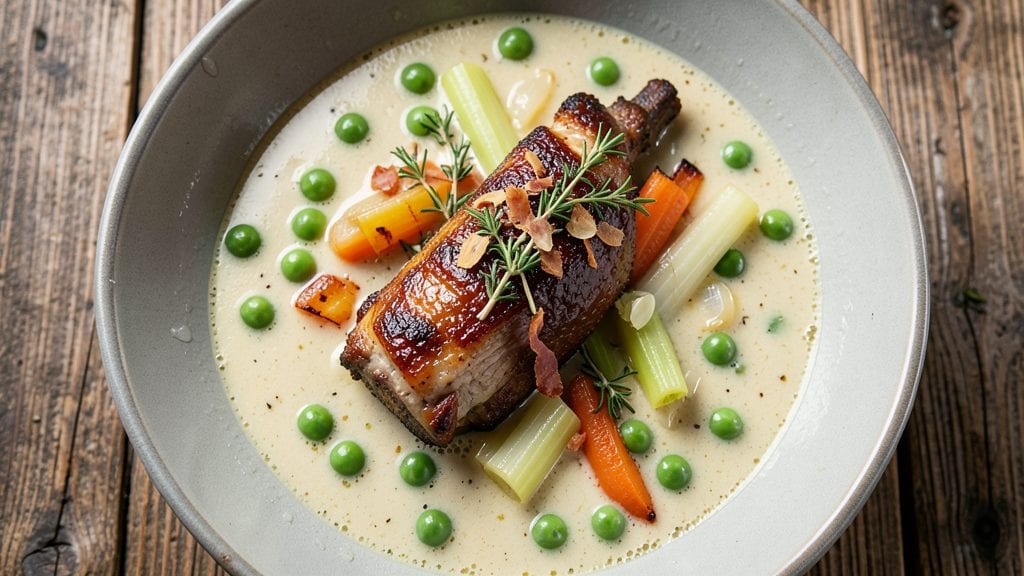
This ham hock and pea soup recipe delivers restaurant-quality depth with just one pot and minimal effort. The smoky richness from the ham hock infuses every spoonful, while tender peas and aromatic herbs create a hearty, comforting bowl that tastes like a home-cooked meal.
I've perfected this technique over years of testing—no shortcuts, just time-honored flavor development that transforms simple ingredients into something extraordinary.
The secret lies in slow simmering, which allows the ham hock to render its fat and collagen into the broth, creating a velvety texture that coats every pea and vegetable. Skimming the broth as it works keeps it clear while building layers of umami flavor.
This isn't just soup—it's a one-pot masterpiece that requires patience but rewards you with a bowl so rich, it'll become your new weeknight staple.
By the time you're done, you'll have a soup with deep, smoky undertones from the ham hock, perfectly tender peas, and a broth so flavorful it needs no garnish—though a sprinkle of fresh parsley adds brightness if you choose.
The aroma alone will have everyone gathering around the table, and the first spoonful will confirm why this recipe deserves a permanent spot in your rotation.
Serve with crusty bread to soak up every last drop of that golden, hearty broth. The beauty of this recipe is its versatility—equally satisfying as a standalone meal or paired with roasted vegetables for a complete dinner. Let's get cooking and transform your kitchen into a cozy, flavorful haven.
Ingredients for ham hock pea soup
One smoky ham hock and simple pantry staples transform into this velvety pea soup masterpiece.
| Ingredient | Amount | Notes |
|---|---|---|
| Ham Hock 🍖 | 1 whole | Smoked, bone-in preferred |
| Fresh Peas 🌱 | 1 ½ cups | Frozen works in a pinch |
| Yellow Onion 🧅 | 1 whole | Medium size, chopped |
| Carrots | 2 medium | Peeled, sliced into rounds |
| Garlic Cloves 🧄 | 4 cloves | Peeled, minced |
| Celery Stalks 🥬 | 3 whole | Trimmed, chopped |
| Fresh Thyme 🌿 | 1 tbsp | Leaves only, chopped |
| Fresh Parsley 🌿 | ¼ cup | Chopped, for garnish |
| Bay Leaves 🍃 | 2 whole | Dried, removed before serving |
| Black Peppercorns 🌶️ | 1 tsp | Freshly cracked |
| Salt 🧂 | 1 ½ tsp | Kosher or sea salt |
| Water 💧 | 6 cups | Or low-sodium broth |
| Crusty Bread 🍞 | 4 slices | For serving |
The ham hock is non-negotiable here—it's what gives this soup its signature smoky depth. Look for smoked hocks at your butcher or the deli section of larger grocery stores like Whole Foods or Kroger. If you can't find smoked, unsmoked works but you'll miss that campfire aroma. The peas can be fresh or frozen—fresh if you're making this in spring, frozen if you're prepping for winter. Trader Joe's has great frozen peas that work perfectly. For the carrots, I always grab the baby carrots (peeling takes too much time) or regular carrots that I peel and slice myself—nothing beats freshly cut veggies in soup.
No ham hock? Substitute with 1 cup of smoked turkey neck or chicken thighs, but you'll lose some of that deep smokiness. Fresh thyme is ideal, but dried thyme at one-third the amount works in a pinch. The water can be swapped for low-sodium chicken broth if you want even more depth. For the bread, sourdough or a good baguette is perfect—look for crusty loaves at the bakery section. If you're feeling fancy, toast the bread slices and rub them with a garlic clove before serving. The parsley is just for garnish, but it adds that fresh pop of color that makes the soup look even more inviting.
This soup tastes even better the next day as all the flavors meld together. Store it in the fridge for up to 5 days—the broth gets richer with time. For longer storage, freeze portions for up to 3 months. I always make a double batch because it disappears so fast. The ham hock can be reheated separately if you want to remove it after the initial cooking. And trust me, the smell alone will have your whole house gathering around the pot.
Why You'll Love This Recipe
- I’ll be real: ham hocks aren’t cheap, but they stretch further than you’d think. A single one feeds four, and the flavors get richer the longer it simmers. Plus, carrots and onions are always on sale—this soup is basically freeing up cash for the good stuff, like extra bread or a glass of wine while you eat.
- One-Pot Wonder: I swear by this recipe when I’m too tired to clean a million dishes. Toss everything—ham hock, onions, carrots, even the garlic—into one pot, simmer, and let the ham hock melt into the broth. The peas soften just enough to soak up all that rich flavor, and the carrots stay tender without falling apart.
- Deep Umami Magic: The ham hock is the star here—it turns the broth into liquid gold. That slow-simmered, salty-sweet depth? It’s like someone took all the good bits of a Sunday roast and dissolved them into soup. Add fresh peas at the end, and you’ve got sweetness cutting through that savory punch.
- Lunchbox Hero: Between us, this soup is my secret weapon for meal prep. Make a big batch on Sunday, and you’ve got hearty lunches for the week. Pack it in thermoses, and it stays warm and delicious—no sad, soggy salads here. My kids actually ask for leftovers.
Step-by-step instructions for ham hock and pea soup
This hearty soup delivers rich, smoky flavor with minimal effort—just one pot and simple techniques.
Prepare the Ham Hock and Vegetables
Begin by rinsing the whole ham hock under cold water to remove any surface debris. Pat it dry with paper towels, then place it in a large pot. Add the chopped yellow onion, sliced carrots, chopped celery stalks, minced garlic cloves, and the 1 tablespoon of chopped fresh thyme to the pot.
Here's the thing—don't rush the prep. Make sure your vegetables are uniformly chopped so they cook evenly. The ham hock will release its collagen and fat over time, creating that signature depth of flavor. I like to give the ham hock a quick rinse before adding it to the pot to remove any surface salt or preservatives that might affect the seasoning balance.
Simmer the Base Ingredients
Pour in the 6 cups of water and add the 1.5 teaspoons of salt and 1 teaspoon of freshly cracked black peppercorns. Bring everything to a boil over medium-high heat. Once boiling, reduce the heat to medium-low and let it simmer uncovered for 30 minutes. This initial simmer helps extract flavors from the ham hock and softens the vegetables.
After 30 minutes, add the 2 whole bay leaves and the 1.5 cups of fresh peas. The peas will cook quickly, so I add them later to preserve their texture. Keep the soup simmering gently—you're looking for a slow, steady bubble, not a vigorous boil. This controlled simmer prevents the ham hock from becoming tough and allows the broth to develop its rich, smoky character.
Cook Until Tender and Flavorful
Continue simmering for an additional 1 to 1.5 hours, or until the ham hock meat easily pulls away from the bone with a fork. You'll know it's ready when the broth takes on a deep, amber color and the vegetables are tender but not mushy. The ham hock should have released most of its meat, which will infuse the soup with incredible flavor.
Real talk: Don't be tempted to rush this step. The longer the ham hock cooks, the more collagen breaks down into gelatin, creating that velvety texture. I usually check the meat after 1 hour—if it's not quite tender, let it cook another 30 minutes. The soup will only get better with time.
Strain and Finish the Soup
Once the ham hock is tender, use tongs to remove it from the pot and place it on a cutting board. Strain the broth through a fine-mesh sieve into a clean pot, pressing gently on the vegetables to extract all the flavor. Discard the solids, but save the ham hock meat for serving.
Return the strained broth to the pot and bring it to a gentle simmer. Stir in the chopped fresh parsley and adjust the seasoning if needed. The parsley adds a bright finish that cuts through the richness of the ham hock. If the soup seems too thick, add a little hot water to reach your desired consistency.
Serve with Crusty Bread
Shred the ham hock meat with two forks and stir it back into the soup. Ladle the soup into bowls, garnishing each serving with a sprinkle of the chopped parsley and a slice of crusty bread. The bread is perfect for soaking up every last bit of that smoky, savory broth.
Serve immediately while the soup is hot. Each spoonful should deliver a perfect balance of smoky ham hock, sweet peas, and earthy vegetables. The crusty bread adds a satisfying crunch that contrasts beautifully with the silky soup. This is the kind of meal that tastes even better the next day—just reheat gently and enjoy!
Pro Tips For Making Ham Hock Pea Soup
- BLANCH THE HAM HOCK FIRST: Toss that ham hock in boiling water for 10 minutes before adding it to the pot. This step removes the bloodline and surface impurities—trust me, you don’t want that muddy flavor seeping into your soup. I used to skip it, and the broth always tasted off until I learned this.
- CHAR THE ONIONS: Cook the diced onions in the pot until they’re deep golden brown, not just soft. The caramelization adds a rich depth that cuts through the ham’s saltiness. Sounds weird, but it works—especially if you’re using a heavy pot and medium heat.
- DON’T OVERCOOK THE PEAS: Fresh peas turn to mush fast—add them only in the last 5 minutes of simmering. If you’re using frozen, thaw them first but still hold off until the end. Overcooked peas ruin a good soup, and nobody wants that sad, mealy texture.
- SKIP THE PEEL ON CARROTS: Leave the skins on for extra sweetness and color—peeling takes 30 seconds and makes zero difference. I was skeptical until I tried it, and now I only peel carrots if someone’s watching. The skin’s the secret to that bright, vibrant look.
Serving suggestions for leftovers
Bread Pairings
Crusty sourdough or a classic baguette is my go-to for this soup—their sturdy crusts hold up perfectly while soaking up that rich, smoky broth. I recommend toasting the bread slices first and rubbing them with a peeled garlic clove for extra flavor.
For a heartier option, try Irish soda bread or rye bread, both of which add a subtle tang that complements the ham hock's depth. 🍞
Garnish Ideas
A sprinkle of fresh parsley adds a bright pop of color and freshness, but don't stop there. Try crispy fried shallots for a touch of crunch or toasted pumpkin seeds for a nutty contrast.
For a smoky finish, I sometimes add a pinch of smoked paprika right before serving. The key is to keep garnishes simple so the soup's natural flavors shine.
Cheese Toppings
If you love cheese, a dollop of sharp cheddar or Gruyère melts beautifully into the soup, adding richness. For a lighter option, try feta cheese—its salty tang cuts through the soup's heartiness.
I also love a swirl of crème fraîche on top, which adds a creamy texture without overpowering the broth. Just be sure to serve it immediately so the cheese doesn't get soggy.
Side Dish Pairings
This soup stands alone, but pairing it with roasted root vegetables like carrots or parsnips adds another layer of flavor. A simple green salad with a tangy vinaigrette also works well to balance the meal.
For a more substantial pairing, consider mashed potatoes—their creamy texture contrasts perfectly with the soup's smoky depth. The key is to keep sides light so the soup remains the star of the show.
Beverage Pairings
A crisp dry white wine like Sauvignon Blanc or a light lager beer—such as Peroni or Corona—cleanses the palate between bites. For something heartier, a red wine like Pinot Noir complements the smoky notes of the ham hock.
Avoid heavy, oaky wines or sweet drinks, as they can overpower the soup's natural flavors. A cold glass of sparkling water with lemon also works if you prefer non-alcoholic options.
Presentation Tips
Serve the soup in deep, rustic bowls to showcase its hearty texture. Ladle the soup carefully to avoid splashing, and garnish with a drizzle of high-quality olive oil—just a light touch to add shine.
For an extra touch, place a slice of crusty bread on the side of the bowl or even on top of the soup for a rustic presentation. The goal is to make the soup look as inviting as it tastes—simple, warm, and full of character. ✨
Nutrition facts
Frequently asked questions
Why does the ham hock need to simmer so long?
The long simmer time—up to 2.5 hours total—is key to unlocking the ham hock's full flavor potential. This slow cooking breaks down collagen into gelatin, creating a velvety broth while rendering fat that infuses every ingredient. Skipping this step results in a broth that's more watery and less rich. Think of it as a flavor investment that pays off in every spoonful.
Can I use frozen peas instead of fresh?
Frozen peas work perfectly and save time during peak seasons when fresh peas aren't available. Just add them 10 minutes before the soup is fully cooked to prevent mushiness. The peas will still retain their sweetness and vibrant color while absorbing all that smoky ham hock flavor.
What if my broth turns cloudy during cooking?
Cloudy broth usually means unskimmed fat or starch from vegetables. To fix it, strain the soup through a fine-mesh sieve or cheesecloth, then skim any remaining fat from the surface. For extra clarity, chill the broth overnight—the fat will solidify on top, making it easy to remove. The flavor won't suffer, but the texture will be smoother.
How do I store leftovers without drying out the soup?
Store leftovers in an airtight container with a layer of broth on top to preserve moisture. Reheat gently on the stove over low heat and add a splash of water or broth if it thickens too much. This soup actually tastes better the next day as flavors meld further! For freezing, portion into single servings and freeze for up to 3 months.
Can I make this soup in an Instant Pot?
Yes! Use the High Pressure setting for 30 minutes after adding all ingredients (including peas). Quick-release the pressure, then strain and finish as directed. The Instant Pot version will be faster but slightly less rich due to shorter cooking time. For maximum depth, opt for the stovetop method.