Soups & Stews
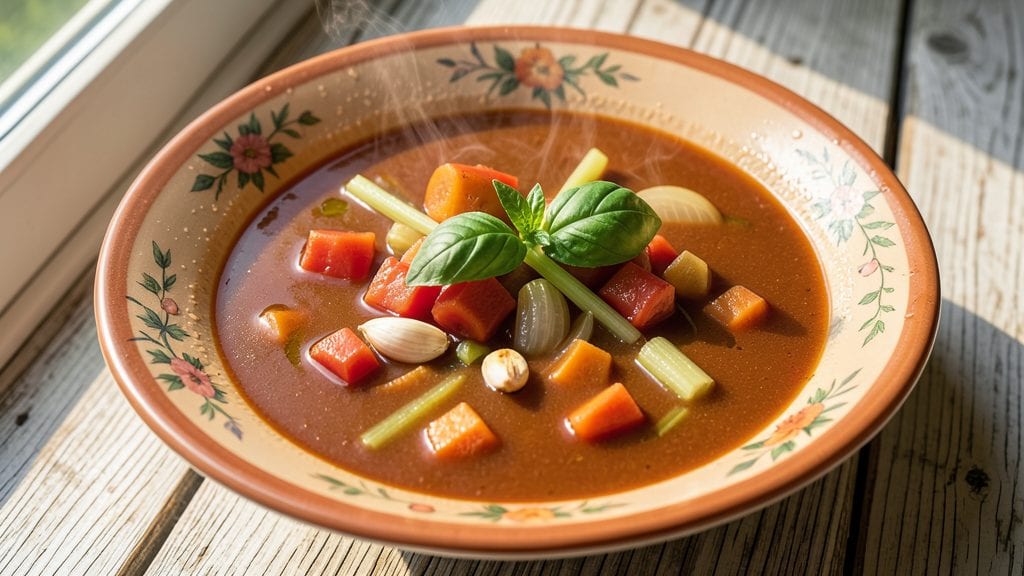
Creating home-canned tomato soup transforms simple pantry ingredients into a deeply flavorful staple that lasts for months—no preservatives needed. The key lies in slow-cooking tomatoes until their natural sugars caramelize, developing that rich umami depth that store-bought versions can't match.
I first perfected this technique during a particularly harsh Portland winter when my pantry needed replenishing, and it became an instant family favorite.
This recipe marries traditional canning methods with restaurant-quality flavor development. You'll start with fresh tomatoes (or high-quality canned ones) simmered with aromatic vegetables until they break down into a velvety, concentrated base. The sterilization process ensures safety while preserving that vibrant tomato essence—no metallic aftertaste here.
What makes this different is the umami boost from a touch of soy sauce and smoked paprika, which elevates it from basic tomato soup to something truly special.
The result is a soup that's smooth yet complex, with layers of sweetness from caramelized tomatoes and depth from slow-cooked aromatics. Each spoonful delivers that comforting, restaurant-quality richness while maintaining the simplicity of pantry staples.
Best of all, it keeps beautifully in your pantry for up to a year, ready to transform any chilly evening into a cozy meal.
Whether you're prepping for winter storms or just love the idea of homemade pantry staples, this method delivers professional results with basic equipment. The canning process is straightforward once you understand the key steps—proper sterilization, headspace, and processing times—all of which I'll walk you through in detail.
Let's get started on creating your own flavorful pantry treasure.
Ingredients for home canned tomato soup
Twelve simple ingredients transform into a pantry treasure with restaurant-quality depth.
| Ingredient | Amount | Notes |
|---|---|---|
| Fresh Tomatoes 🍅 | 10 lb | Roma or vine-ripened, cored and halved |
| Yellow Onion 🧅 | 2 whole | Yellow or sweet, peeled and quartered |
| Carrots 🥕 | 2 lb | Whole, peeled and chopped |
| Celery Stalks 🌿 | 4 whole | Fresh, trimmed and chopped |
| Garlic Cloves 🧄 | 8 cloves | Fresh, peeled and smashed |
| Extra-Virgin Olive Oil 🫒 | ½ cup | High-quality, fruity variety |
| Soy Sauce 🍶 | 2 tbsp | Light or dark, for umami depth |
| Smoked Paprika 🌶️ | 2 tsp | For smoky richness |
| Ground Black Pepper 🌶️ | 1 tsp | Freshly cracked for best flavor |
| Salt 🧂 | 2 tsp | Diamond Crystal kosher preferred |
| Fresh Thyme 🌿 | ½ oz | Or 1 tbsp dried thyme |
| Bay Leaves 🌿 | 2 whole | Fresh if available |
| Pint Mason Jars 🥫 | 12 whole | With new lids and bands |
The tomatoes are the heart of this soup, so choose them wisely. Roma tomatoes pack the most flavor when canned, but vine-ripened varieties add natural sweetness. I always grab mine from local farmers markets in late summer when they're at peak ripeness, but grocery store tomatoes work fine if they're firm and vibrant. The onions, carrots, and celery form your aromatic base—organic produce is ideal since you'll be eating it straight from the jar. For the garlic, fresh is non-negotiable—dried just won't give you that same depth of flavor. If you're prepping ahead, store all your vegetables in the fridge until ready to use, but don't wash them until just before cooking to maintain freshness.
No fresh tomatoes? High-quality canned tomatoes work beautifully—just drain them well. Short on thyme? Dried works at one-third the amount, but fresh gives that bright herbal note. The soy sauce adds that restaurant-quality umami—Kikkoman or Tamari are my go-tos, but any good-quality brand will do. Want to skip the smoked paprika? Regular paprika plus a pinch of liquid smoke gets you close. For the mason jars, Ball or Kerr brands are the gold standard—make sure to use new lids for each batch to ensure proper sealing. The olive oil should be extra-virgin—you can taste the difference when it's high quality, especially in a dish this simple.
This soup keeps beautifully in your pantry for up to 12 months when processed correctly. I always label my jars with the date and contents—permanent marker on the lid works best. The sterilization process is key: boil your jars and lids for 10 minutes before filling. Once cooled, check seals by pressing the center of the lid—it should stay firm. Any jars that don't seal properly should be refrigerated and used within 5 days. The flavor actually improves with time, developing that deep, caramelized richness that makes this soup so special. Store in a cool, dark place away from direct sunlight to maintain quality.
Why You'll Love This Recipe
- No-Chop Necessary: I swear by this—just halve the tomatoes, quarter the onion, and toss everything raw into the pot. The pressure cooker does all the work while you sip your coffee.
- Garlic-Caramel Magic: That slow simmer turns the garlic into sweet, golden threads while the carrots melt into velvety sweetness. Honestly, the first spoonful makes me pause mid-stir.
- Crowd-Pleaser Basics: Serve it with crusty bread for a lazy Sunday, ladle it over grilled cheese for a rainy afternoon, or freeze batches for when life gets hectic. My college-aged son still texts me asking for the recipe.
- Pantry Goldmine: Uses up garden veggies before they spoil, stretches into meals for days, and costs pennies per serving. Between us—this is the recipe I make when I’m broke but refuse to eat sad leftovers.
Step-by-step instructions for home canned tomato soup
Transforming fresh garden produce into rich, umami-packed soup that lasts all season—here's how.
Prepare and Sauté the Vegetable Base
In a large, heavy-bottomed stockpot, heat the 0.5 cup extra-virgin olive oil over medium heat until shimmering. Add the 2 whole yellow onion, 2 lb carrots, and 4 whole celery stalks, all chopped into ¼-inch dice. Cook for 8-10 minutes until the vegetables soften and the onions become translucent, stirring occasionally to prevent burning.
The key here is patience—don't rush this step. You want the vegetables to develop a deep, caramelized flavor that forms the soul of your soup. When you press a carrot piece with your finger, it should yield slightly but still hold its shape. Add the 8 cloves garlic cloves and cook for another 30 seconds until fragrant, being careful not to let them burn.
Build the Umami Foundation
Stir in the 2 tbsp soy sauce, 2 tsp smoked paprika, 1 tsp ground black pepper, and 2 tsp salt, mixing well to coat the vegetables evenly. Add the 10 lb fresh tomatoes (cored and halved) along with the 0.5 oz fresh thyme and 2 whole bay leaves. Bring the mixture to a gentle boil over medium-high heat, then reduce to a simmer.
Let the soup cook uncovered for 30-40 minutes, stirring occasionally. You're looking for the tomatoes to break down completely and the flavors to meld into a cohesive, aromatic base. The soup should reduce slightly, intensifying its richness. Taste at this stage—if you need more depth, add another ½ tsp salt or a pinch of smoked paprika.
Process and Can the Soup
Using a potato masher or immersion blender, partially blend the soup until you achieve a rustic, slightly chunky texture—some texture adds body and visual appeal. For 12 whole pint mason jars, ladle the hot soup into each jar, leaving ½-inch headspace at the top. Wipe the jar rims clean with a damp cloth to ensure proper seals.
Place the lids on the jars and screw on the bands until fingertip-tight (not overly tight). Process the jars in a boiling water bath for 90 minutes for pint-sized jars. The water should cover the jars by 1-2 inches. Once processing is complete, remove the jars and let them cool completely on a towel-lined surface before checking the seals.
Store and Enjoy Your Pantry Staple
After the jars cool, verify the seals by pressing the center of each lid—it should not pop up. Store the sealed jars in a cool, dark place for up to 18 months. When ready to serve, open a jar and gently reheat the soup on the stovetop over low heat, stirring occasionally. The flavors will only deepen with time, making this a perfect pantry staple for cozy nights ahead.
This soup develops even more complexity when reheated, so don't be surprised if the first taste out of the jar is even more flavorful than anticipated. The smoky richness from the paprika and soy sauce pairs beautifully with the natural sweetness of the tomatoes, creating a balanced, comforting flavor profile that's perfect for any season.
Pro Tips For Making Home Canned Tomato Soup
- COOK ONIONS LOW: Start your onion and celery base at a simmer, not a sear—you’re not making caramel, just softening. After 5 minutes, add the carrots and garlic; if the pan’s too hot, you’ll burn the garlic before the veggies break down. I learned this the hard way when my first batch tasted bitter.
- PEEL TOMATOES FIRST: Blistering tomatoes on the stove is messy, so peel them before cooking. Drop whole, uncut tomatoes into boiling water for 30 seconds, then shock in ice water—the skins slide off like magic. No more picking charred bits out of your soup later.
- SALT THE WATER: When blanching tomatoes or blanching the jar lids, use salted water (1 teaspoon per quart). It keeps the tomatoes from turning mealy and helps the lids seal properly—no more failed batches from overlooked prep steps.
- SKIP THE PULSE: Immersion blenders create smoother soup than food processors, but resist the urge to over-blend. Leave some texture—tiny chunks of carrot and celery add body and prevent a gluey consistency. (Yes, even if you’re impatient like me.)
Serving suggestions for this home canned tomato soup
Classic Pairings
This tomato soup shines when paired with crusty sourdough bread from your local bakery—I love the Portland Sourdough Co. loaves. The dense texture soaks up the rich soup beautifully, creating the perfect handheld combo.
For a lighter option, serve with buttered egg noodles or garlic toast made with a baguette. My dad always said a good soup needs something to mop it up, and he was right. 🥖
Protein Additions
Transform this into a complete meal by adding crumbled bacon or shredded rotisserie chicken when reheating. I often keep a jar of bacon grease on hand just for this purpose—simply stir in 2 tbsp bacon grease per jar and warm through.
For a vegetarian option, top with grilled halloumi cheese or white beans for extra protein. The soup's umami depth makes it incredibly versatile. 🍳
Cheese Elevations
Add a dollop of sharp cheddar or Parmesan cheese when serving to take it to the next level. I like using Cabot Clothbound Cheddar because it melts beautifully into the soup. For a creamy texture, stir in ¼ cup heavy cream> per serving.
If you're feeling fancy, try a sprinkle of fresh chives or parsley for a pop of color and freshness. The cheese adds a luxurious touch without overpowering the tomato's natural sweetness. 🧀
Seasonal Garnishes
Fresh herbs make all the difference when serving. I keep a small pot of basil growing in my kitchen windowsill just for this purpose—toss in 1 tbsp fresh basil> per bowl. In winter, I swap for fresh thyme or rosemary.
For a smoky touch, add a pinch of smoked sea salt or a few drops of hot sauce at the table. The garnishes should complement, not dominate, the soup's rich tomato flavor. ✨
Beverage Pairings
A crisp white wine like Sauvignon Blanc cuts through the soup's richness beautifully. For beer lovers, a wheat beer with citrus notes—like Allagash White—pairs wonderfully. I also enjoy a cup of chamomile tea with this soup, especially in the evenings.
The tea's floral notes balance the soup's earthy depth. Don't underestimate the power of a simple sparkling water with lemon for a refreshing contrast. 🍷
Make-Ahead Serving
This soup is perfect for meal prep—simply open a jar and reheat on the stovetop over low heat> for 10-15 minutes. For a quick lunch, serve with pre-made croutons or toasted breadcrumbs.
If you're serving a crowd, set out small bowls of grated cheese and herbs** so guests can customize their bowls. The soup tastes even better the next day, so it's ideal for leftovers. 💡
Nutrition facts
Frequently asked questions
Can I use canned tomatoes instead of fresh for this recipe?
High-quality canned tomatoes work beautifully—just drain them well to avoid excess liquid. For extra depth, add an extra ½ tsp smoked paprika or 1 tsp soy sauce to compensate for the difference in freshness. I've made this recipe successfully with organic crushed tomatoes from the store.
How do I know if my home-canned tomato soup is properly sealed?
After cooling completely, press the center of each lid—it should stay firm and not pop up when pressed. If any jars don't seal, refrigerate and use within 5 days. Also check for concave (caved-in) lids—these indicate a proper seal. Never taste-test from unsealed jars to avoid botulism risk.
Can I adjust the spice level or add different herbs?
Yes! For more heat, add ½ tsp cayenne pepper with the smoked paprika. Swap thyme for oregano or basil (use 1 tbsp dried), but note basil's flavor mellows during canning. The key is balancing herbs with the tomato's natural sweetness—start with half the amount if experimenting.
What's the best way to reheat canned tomato soup?
Gently reheat on the stovetop over low heat for 10-15 minutes, stirring occasionally. Avoid microwaving—it can make the texture uneven. For creamier soup, stir in ¼ cup heavy cream or milk per serving while warming. The flavors actually deepen after reheating!
How long does this soup keep before opening?
Properly sealed jars last up to 18 months in a cool, dark pantry. The flavor actually improves over time as the tomatoes' natural sugars caramelize. After opening, refrigerate and use within 5-7 days. For longer storage, freeze in airtight containers for up to 3 months.