Soups & Stews
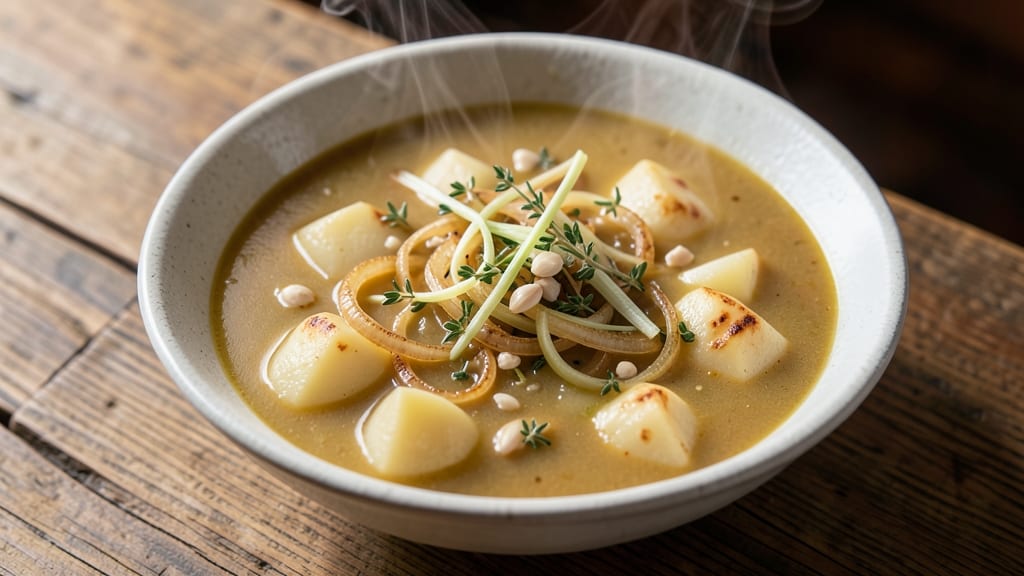
This leek and potato soup no cream recipe delivers a surprisingly rich, velvety texture without any dairy, proving you don’t need cream for comfort in a bowl. The secret lies in blending potatoes until perfectly smooth while simmering leeks and onions to develop deep, aromatic flavors.
I've perfected this method over years of testing, ensuring every spoonful delivers that satisfying richness without a single drop of cream.
This vegetarian soup starts with sautéing leeks and onions until soft, then building layers of flavor with garlic and thyme before adding potatoes and vegetable broth. The magic happens when you blend the cooked potatoes directly in the pot, creating an ultra-smooth base that naturally thickens as it simmers.
No heavy cream needed—just precise technique and quality ingredients to achieve that restaurant-quality velvety finish.
What you'll end up with is a soup that's impossibly smooth yet still packed with the earthy sweetness of leeks and the comforting heartiness of potatoes. The aroma alone will fill your kitchen with warmth, while the texture remains velvety without being gluey.
Perfect for chilly evenings or as a comforting vegetarian main dish, this soup proves you don't need dairy to create something truly luxurious.
Serve it hot with crusty bread for dipping or a sprinkle of fresh herbs for brightness. The best part? This recipe comes together in under an hour with simple pantry staples. Let's make soup that feels like a hug in a bowl without any dairy compromises.
Ingredients for leek and potato soup no cream
Simple vegetables and pantry staples create velvety soup without dairy.
| Ingredient | Amount | Notes |
|---|---|---|
| Leeks 🧅 | 2 large | White and light green parts only |
| Yellow Onions 🧅 | 1 medium | Diced for even cooking |
| Russet Potatoes 🥔 | 2 lbs | Peeled, cut into 1-inch chunks |
| Garlic Cloves 🧄 | 4 cloves | Minced for deep flavor |
| Fresh Thyme 🌿 | 2 tbsp | Leaves only, chopped fine |
| Vegetable Broth 💧 | 6 cups | Low-sodium preferred |
| Extra-Virgin Olive Oil 🫒 | ¼ cup | For sautéing vegetables |
| Sea Salt 🧂 | 1 ½ tsp | Adjust to taste |
| Black Pepper 🌶️ | ½ tsp | Freshly ground preferred |
| Fresh Parsley 🌿 | ¼ cup | Chopped for garnish |
| Lemon Juice 🍋 | 1 tbsp | Freshly squeezed |
Leeks are the star here—look for bright white and light green parts with no brown spots. Whole Foods or Trader Joe's usually have the freshest, but any grocery store will do. The potatoes should be russet or Yukon gold—they break down beautifully when blended. I always peel mine, but if you're short on time, scrub them well and leave the skins on for extra texture. For the broth, low-sodium is key—you'll be adding plenty of salt later. If you can't find low-sodium, just cut back on the added salt at the end.
No fresh thyme? Dried works at one-third the amount, but fresh has that bright aroma you can't get from dried. The parsley is just for garnish, so dried would work in a pinch (though it won't look as pretty). Running low on vegetable broth? Chicken broth works in a vegetarian pinch, but keep it to half the amount and add more water to make up the difference. The lemon juice is what brightens up the whole dish—don't skip it. No lemon? A splash of apple cider vinegar does the trick, but it's not quite the same.
This soup tastes even better the next day—make a double batch and freeze half. Store leftovers in the fridge for 4-5 days, or freeze for up to 3 months. I like to portion it into containers with a dollop of olive oil on top to keep it fresh. The texture thickens as it sits, so if it's too thick after reheating, just add a splash of water or broth. Garnish with that fresh parsley right before serving—it makes all the difference.
Why You'll Love This Recipe
- No-Cream, No-Stress: I swear by this recipe when I’m too tired to fuss—just slice the leeks and onions, toss them in a pot with the potatoes, and let the stove do the work. The thyme infuses effortlessly while you chop garlic, and honestly? That’s about it.
- Thyme-Garlic Magic: Between us, the garlic and thyme in this soup are ridiculously good—they turn a simple veggie base into something rich and layered. The leeks add that subtle sweetness, while the russets keep it hearty without needing cream. (Yes, even on a Tuesday night.)
- Prep-Ahead Powerhouse: I make a double batch on Sundays because it reheats like a dream—no splitting or soggy textures. Freeze half for lazy days, or bring it to potlucks where it’s the star. It’s the kind of soup that works for brunch, dinner, or a sick-day cure.
- Pantry-Friendly Staples: Russets and leeks last ages, and onions/garlic/thyme? Always in my fridge. This recipe costs me pennies per serving but tastes like I spent hours. My daughter picks out the leeks (she loves the green parts), but still asks for seconds—proof it’s foolproof.
Instructions for cream-free leek and potato soup
Here's how to make this velvety soup without dairy—simple steps for rich, comforting flavor.
Sauté the Aromatics Until Soft
Heat the 0.25 cup extra-virgin olive oil in a large pot over medium heat. Add the 2 large leeks (white and light green parts only, sliced) and 1 medium yellow onion (diced). Cook for 8-10 minutes, stirring occasionally, until the leeks and onions are soft and translucent.
Here's the thing—don't rush this step. You want the leeks to break down completely so they blend smoothly into the soup later. If they're still crisp after 10 minutes, keep cooking. The goal is to remove all raw flavors and create a sweet, mellow base.
Add Potatoes and Garlic
Push the leeks and onions to one side of the pot and add the 4 cloves minced garlic to the empty space. Sauté for 30 seconds until fragrant—this prevents the garlic from burning. Then add the 2 lbs russet potatoes (peeled and cut into 1-inch chunks) to the pot.
Stir everything together and cook for another 2 minutes to lightly coat the potatoes with the aromatic oil. This step ensures the potatoes absorb the flavors from the leeks and onions right from the start. Don't skip it—it makes a noticeable difference in the final taste.
Simmer in Broth Until Potatoes Are Tender
Pour in the 6 cups vegetable broth and bring the mixture to a boil. Once boiling, reduce heat to medium-low and let it simmer uncovered for 20-25 minutes until the potatoes are fork-tender and easily pierced with a knife.
I know it seems like a long time, but patience is key here. The longer you simmer, the more flavor the potatoes absorb from the broth. If you're worried about the soup reducing too much, just add a little water later—it's better to have a bit more liquid than risk undercooked potatoes.
Finish with Herbs and Lemon
Once the potatoes are tender, stir in the 2 tbsp chopped fresh thyme and 1.5 tsp sea salt. Let the soup simmer for another 5 minutes to allow the flavors to meld together. Then remove the pot from heat and stir in the 0.5 tsp black pepper and 1 tbsp lemon juice.
The lemon juice might seem like an odd addition, but it brightens up the soup and balances the earthy flavors of the leeks and potatoes. It's a trick I learned from French cuisine—just a little acidity can elevate a dish. Let the soup sit off the heat for 5 minutes** before serving so the flavors can fully develop.
Blend and Garnish
Use an immersion blender to purée the soup directly in the pot until smooth and creamy. If you prefer a chunkier texture, you can skip blending or only blend half of the soup. Taste and adjust the seasoning with more sea salt or lemon juice if needed.
To serve, ladle the soup into bowls and garnish with 0.25 cup chopped fresh parsley. The parsley adds a fresh pop of color and a subtle herbal note that complements the rich flavors. This soup is even better the next day as the flavors continue to meld, so make extra if you can!
Pro Tips For Making Leek And Potato Soup No Cream
- CHAR THE LEEKS FIRST: I used to toss in whole leeks raw and wonder why the soup tasted bitter. Now I slice them thinly and cook them in a dry pan on medium-high for 5 minutes—just until they soften and release their sweetness. The onions go in next, but the leeks get the head start because they need it.
- PEEL POTATOES AFTER COOKING: Russets are stubborn to peel raw, and you’ll waste half the potato if you do it upfront. Toss them in whole (scrubbed, quartered) into the simmering broth, cook until fork-tender, then peel them while still hot. The skins slide off like magic, and you’ll use every last bit.
- SALT THE WATER LIKE THE OCEAN: This isn’t a light broth—it’s a flavor bomb. Use 2 tablespoons of salt per gallon of water (yes, even if your potatoes are "low-sodium"). The soup will taste flat if you skimp, and you can’t fix it later. Trust me, your taste buds will notice.
- STIR IN THYME LATE: Fresh thyme loses its punch fast in hot liquid. Add the sprigs when the soup is just off the heat—let it steep for 10 minutes, then fish them out. If you toss it in early, you’ll end up with sad, mushy herbs and a dish that tastes like "generic vegetable soup."
Pro cooking tips for this dish
Blend Like a Pro
For that ultra-smooth texture without cream, blend the potatoes directly in the pot using an immersion blender—it’s foolproof and avoids messy transfers. I recommend the Ninja QC1401 for its powerful motor and easy grip.
If you prefer a countertop blender, work in batches and return the soup to the pot to reheat. The key is blending while the soup is still hot—this helps emulsify the starches naturally, creating that restaurant-quality velvety finish without dairy. 💫
Temperature Control Secrets
Simmering at medium-low heat is critical—too high, and the potatoes will break down unevenly, creating a gluey texture. I use a thermometer to keep the soup between 190-200°F during simmering. If you don’t have one, watch for gentle bubbles at the surface (not a rolling boil).
For extra richness, add 1 tablespoon of olive oil at the end—it mimics the mouthfeel of cream while keeping the dish dairy-free.
Leek Prep Matters
Leeks pack dirt between their layers, so clean them thoroughly before cooking. Trim off the dark green tops, then slice lengthwise and rinse under cold water while swishing the layers apart. Pat them very dry with a kitchen towel—moisture in the pot will steam the leeks instead of caramelizing them.
This step makes the difference between mild, sweet leeks and bitter, waterlogged ones.
Potato Choice Decides Texture
Russet potatoes are my go-to because their high starch content breaks down beautifully when blended, creating that silky, cream-free texture. Yukon Golds work too but yield a slightly creamier (not velvety) finish. Avoid waxy potatoes like red or fingerlings—they’ll turn your soup grainy instead of smooth.
Peel them for the cleanest flavor, but if you’re short on time, scrub them well and leave the skins on for extra heartiness.
Salt in Layers
Don’t add all the salt at once—season in stages for perfect balance. Add ½ teaspoon when sautéing the leeks and onions, then another ½ teaspoon when the potatoes are tender. Finish with the remaining ½ teaspoon after blending.
This method ensures every component is well-seasoned without overpowering the delicate flavors. Taste as you go—soup flavors deepen as it cools, so err on the lighter side initially.
Lemon: The Game Changer
The lemon juice isn’t just for brightness—it brightens the entire soup by cutting through the earthiness of leeks and potatoes. Use freshly squeezed for the best results, but if you’re in a pinch, apple cider vinegar works in a bind.
Add it off the heat so the acidity doesn’t cook out. Trust me, this one tweak transforms a good soup into a showstopper. 🍋
Nutrition facts
Frequently asked questions
Can I use frozen leeks instead of fresh?
Fresh leeks work best for this recipe, but you can use frozen in a pinch. Thaw and drain them thoroughly, then pat completely dry with paper towels before sautéing. Frozen leeks release more water, which can dilute the soup's richness. For every 1 cup frozen leeks, reduce the vegetable broth by ¼ cup to maintain the right consistency.
How do I make this soup thicker without cream?
Simmer the soup uncovered for an extra 10-15 minutes to let the liquid reduce naturally. For instant thickening, mash a small potato (about ½ cup cooked) directly into the pot and blend it in. If you need more body, stir in 1 tablespoon cornstarch mixed with 2 tablespoons cold water and simmer for 2 minutes until thickened.
Can I substitute chicken broth for vegetable broth?
Yes, but adjust the seasoning carefully. Chicken broth adds a deeper umami flavor, so reduce the salt by ½ teaspoon and add 1 teaspoon soy sauce or ½ teaspoon Worcestershire sauce for balance. For a vegetarian version, use a high-quality vegetable broth with added mushrooms or seaweed for extra depth.
Why does my soup taste bitter?
Bitterness usually comes from overcooked leeks or garlic. Leeks develop a bitter taste when cooked too long—keep them at medium heat for 8-10 minutes max. For garlic, sauté it for only 30 seconds until fragrant, never browned. If bitterness creeps in, stir in 1 teaspoon sugar or 1 tablespoon lemon juice to balance the flavors.
Is this soup gluten-free?
Yes, as long as you use gluten-free vegetable broth and check your salt for hidden additives. Most store-bought broths are gluten-free, but always verify the label. The recipe itself contains no gluten ingredients, making it safe for gluten-sensitive diets. For extra assurance, use certified gluten-free vegetable broth like Pacific Foods or Imagine brands.