
Soups & Stews
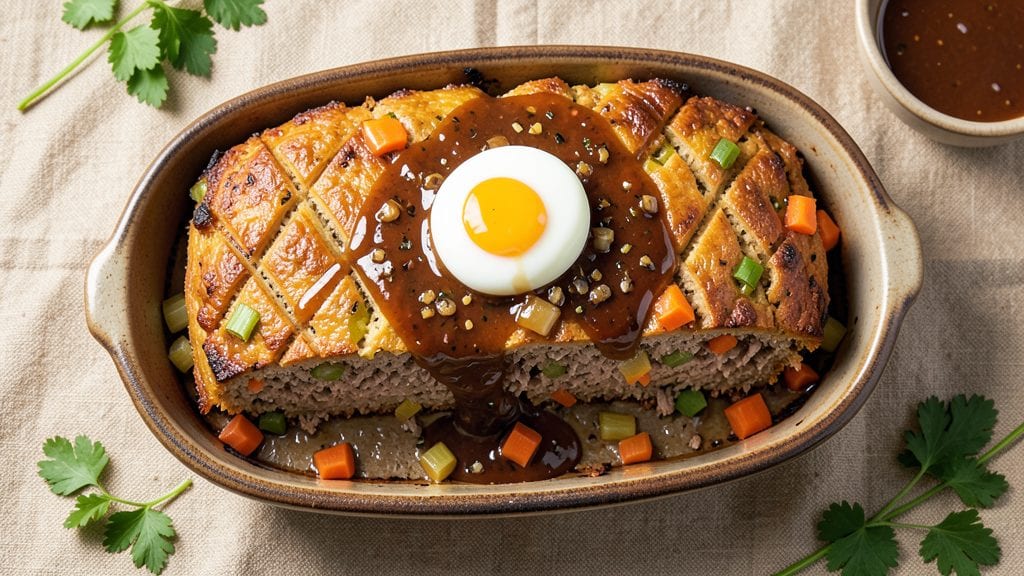
This Lipton Soup Souperior meatloaf transforms a classic comfort dish into a one-pan wonder with a hidden veggie boost and restaurant-quality depth. The secret lies in blending the soup's savory richness with finely chopped vegetables—carrots, celery, and onions—so no one suspects the health upgrade.
I perfected this recipe during a busy week when I needed a foolproof dinner that delivered big flavor without big effort.
The beauty of this method is how the Lipton Soup Souperior works double duty: it keeps the meatloaf moist while adding layers of umami that elevate every bite.
No special techniques required—just mix, shape, and bake at 375°F for 50 minutes, then top with a quick glaze of ketchup and brown sugar for that signature caramelized crust. The result? A tender, flavorful loaf that's impossible to resist, even from those who claim to dislike vegetables.
What makes this recipe truly special is the versatility. Serve it alongside classic sides like mashed potatoes and green beans for a complete meal, or let the meatloaf shine as the star with a simple garden salad.
The hidden veggies don't compromise texture or taste—they simply enhance the overall richness, making this the perfect weeknight solution that feels indulgent without the fuss.
With just 10 ingredients and 30 minutes of prep, you'll have a hearty dinner on the table that's sure to become a family favorite. The Lipton Soup Souperior isn't just an ingredient—it's the game-changer that turns a simple meatloaf into something extraordinary. Let's get started!
Ingredients for lipton soup souperior meatloaf
Ten simple ingredients transform into a restaurant-worthy meatloaf with hidden veggie richness.
| Ingredient | Amount | Notes |
|---|---|---|
| Ground Beef (80/20) 🥩 | 1 ½ lb | Finely chopped for even texture |
| Lipton Soup Souperior 🍲 | 1 package | Any variety, beef or vegetable |
| Carrots 🥕 | 1 medium | Finely diced, about 0.5 cup |
| Celery Stalk 🌿 | 1 whole | Finely diced, about 0.5 cup |
| Yellow Onion 🧅 | 1 medium | Finely diced, about 0.5 cup |
| Large Eggs 🥚 | 1 whole | Room temperature for best binding |
| Ketchup 🍅 | ½ cup | For glaze, any brand preferred |
| Packed Brown Sugar 🍯 | 2 tbsp | Light or dark, for glaze |
| Diamond Crystal Kosher Salt 🧂 | 1 tsp | For seasoning, adjust to taste |
| Ground Black Pepper 🌶️ | ½ tsp | Freshly ground for best flavor |
The ground beef quality is non-negotiable for this recipe. 80/20 fat ratio ensures optimal moisture retention and flavor development—leaner cuts will result in a drier texture. Most grocery stores carry this standard, but Costco or Whole Foods often have premium options with better marbling. For the Lipton Soup Souperior, any variety works, though beef-based options provide deeper umami. The finely chopped vegetables—carrots, celery, and onion—should be so small they're nearly unrecognizable when mixed. Use a sharp knife or food processor for consistent results. Fresh vegetables are ideal, but frozen works in a pinch when thawed and drained well.
No ketchup on hand? Tomato paste diluted with water makes an excellent substitute, though it lacks the sweetness. The brown sugar glaze can be adjusted to taste—more sugar for caramelization, less for a tangier finish. For those avoiding sugar, honey or maple syrup work well at a 1:1 ratio. The Diamond Crystal kosher salt is recommended for its coarse texture, which dissolves better than table salt and enhances flavor without overpowering. Freshly ground black pepper adds complexity that pre-ground simply can't match. If you're using a different salt, reduce the amount by half since it's finer and more concentrated.
This meatloaf reheats beautifully—simply cover with foil and warm in a 350°F oven for 15-20 minutes. For meal prep, portion slices into individual containers and freeze with parchment between layers for up to 3 months. The glaze can be made ahead and stored in the fridge for 1 week, though it's best used fresh. Leftovers keep well in the refrigerator for 4-5 days, though I rarely have any since this recipe disappears quickly. For a vegetarian option, substitute the beef with a high-quality plant-based crumble, though texture will differ slightly.
Why You'll Love This Recipe
- Pantry Magic: I swear by this recipe because it turns ingredients I already have into something hearty. No fancy shopping—just ground beef, a can of soup, and the veggies from last week’s stir-fry. Honestly, it’s the kind of meal that makes me feel like I’ve earned my dinner.
- Soup-Powered Depth: That Lipton Soup Souperior mix? It’s the secret weapon. The way it caramelizes into the beef while the onions soften—suddenly, you’ve got layers of savory, umami richness without any extra effort. (Yes, even on a Tuesday night.)
- Leftovers That Don’t Suck: This meatloaf actually improves the next day. Slice it thin, throw it in a sandwich, or reheat it with a splash of broth—it’s the kind of leftovers that make you grateful for busy weeks. Between us, I’ve lived off these for three lunches without getting tired of it.
- One-Bowl, Zero Stress: Minimal chopping required. Just dice the onion and carrots roughly—no one’s judging. The celery adds texture without fuss, and the beef mixes together in one bowl. Not the prettiest, but the taste makes up for it every time. My go-to when I’d rather be watching TV than measuring spices.
Step-by-step instructions for Lipton Soup Souperior meatloaf
This method delivers a perfectly moist, flavorful meatloaf with a crispy glaze—every time.
Prepare the Vegetable Mixture and Season the Beef
In a medium bowl, finely dice the medium carrots, whole celery stalk, and medium yellow onion using a sharp knife. You should end up with about 1½ cups total of finely chopped vegetables. This step is crucial for creating that hidden veggie boost while maintaining texture.
Transfer the chopped vegetables to a large mixing bowl. Add the 1.5 lb ground beef (80/20), the contents of 1 package Lipton Soup Souperior (discard the empty packet), the whole large eggs, 1 tsp diamond crystal kosher salt, and 0.5 tsp ground black pepper. Using your hands, gently mix all ingredients together until just combined. Avoid overworking the mixture—this prevents a dense, tough meatloaf.
Form and Shape the Meatloaf
Lightly grease a 9x5-inch loaf pan with vegetable oil or nonstick spray. Transfer the meat mixture to the prepared pan and spread it evenly, shaping it into a rectangular loaf about 1-inch thick. Press down gently but firmly to eliminate air pockets—this ensures even cooking and prevents cracks during baking.
Smooth the top with the back of a spoon, creating a slightly domed shape. This shape helps the glaze adhere better and promotes even browning. Preheat your oven to 350°F while the meatloaf rests for 10 minutes at room temperature. This brief rest period allows the meat mixture to firm up slightly, making it easier to handle during transfer to the oven.
Bake the Meatloaf Until Internal Temperature Reaches 160°F
Place the shaped meatloaf in the preheated oven and bake for 50-55 minutes. The meatloaf is done when an instant-read thermometer inserted into the thickest part reads 160°F. You'll notice the edges begin to pull away from the pan slightly, and the internal color shifts from pink to a more uniform brown.
During the last 15 minutes of baking, check the meatloaf periodically. If the top begins to brown too quickly, tent it loosely with aluminum foil to prevent over-browning while maintaining moisture. The internal temperature is the most reliable indicator of doneness—don't rely solely on visual cues.
Prepare and Apply the Glaze
While the meatloaf bakes, prepare the glaze by combining 0.5 cup ketchup and 2 tbsp packed brown sugar in a small bowl. Whisk until smooth and set aside. After removing the meatloaf from the oven, spread the glaze evenly over the top using the back of a spoon. The glaze should cover the entire surface completely.
Return the meatloaf to the oven and bake for an additional 10-12 minutes. This final baking step caramelizes the glaze, creating that signature crispy, sweet exterior while keeping the interior moist. Watch closely during this time—the glaze should darken to a rich amber color and develop a slight crackly texture.
Rest and Serve
Remove the meatloaf from the oven and transfer it to a wire rack. Let it rest for 10 minutes before slicing. This resting period allows the juices to redistribute throughout the meatloaf, ensuring each slice remains moist and flavorful. The glaze will firm up slightly as it cools, creating that perfect balance of crispy exterior and tender interior.
Slice the meatloaf into 1-inch thick pieces and serve immediately. The finished meatloaf should have a glossy, caramelized glaze on top with a slightly crispy texture, while the interior remains juicy and packed with flavor. Pair with mashed potatoes, roasted vegetables, or crusty bread to complete your meal.
Pro Tips For Making Lipton Soup Souperior Meatloaf
- Brown the Beef First: Skip the raw meatloaf look—cook the ground beef in a skillet until it loses its pink color before mixing with soup and veggies. This step deepens the flavor and prevents a bland, undercooked center. (Yes, even if you’re tempted to skip it for speed.)
- Dice Veggies Small: Chop carrots, celery, and onion into ¼-inch pieces—they’ll cook faster and blend seamlessly into the meatloaf. Big chunks turn mushy and make the texture uneven. (I learned this after serving a meatloaf with a celery surprise.)
- Don’t Overmix the Soup: Stir the Lipton Soup Souperior just until it dissolves—overworking it makes the meatloaf dense and dry. Think of it like mixing a cake batter: combine, don’t overbeat. (Your future self will thank you.)
- Bake Low and Slow: Start at 350°F, but if the top browns too fast, tent it with foil. The real test? Internal temp should hit 160°F—no guessing. A meat thermometer is your friend here. (I’ve had well-browned meatloaves that were still raw inside.)
Wine and beer pairings for this dish
Red Wine Pairings
A bold, medium-bodied red like Cabernet Sauvignon from Napa Valley cuts through the meatloaf's richness while complementing the umami depth from Lipton Soup Souperior. Look for a wine with 13-14% ABV and notes of black cherry and vanilla—like Louis M. Martini Cabernet Sauvignon—to match the glaze's caramelized sweetness.
The tannins in red wine also help cleanse your palate between bites, balancing the savory-sweet profile. 🍷
Malbec for Bold Flavors
If you prefer a smoother but still robust option, try an Argentine Malbec like Catena Zapata. This wine's dark fruit flavors and velvety texture pair beautifully with the meatloaf's depth, especially if you've added extra brown sugar to the glaze.
The lower tannins make it more approachable for those who find Cabernet too bold. I reach for this when serving to guests who prefer reds with a touch of elegance.
Beer Pairings
A crisp, amber ale like Leinenkugel's Summer Shandy provides a refreshing contrast to the meatloaf's richness. The citrus notes in the shandy brighten the dish, while the malt backbone stands up to the glaze's sweetness.
For a darker option, try a brown ale like Newcastle Brown Ale—its caramel and nutty flavors mirror the meatloaf's glaze and hidden veggies. 🍺
Craft IPA Balance
If you're serving this meatloaf to IPA lovers, opt for a session IPA like Dogfish Head 60 Minute IPA. The hoppy bitterness cuts through the richness, while the malt sweetness complements the glaze.
Avoid overly bitter IPAs, as they can overpower the dish's savory profile. I like to serve this pairing when hosting casual dinners with craft beer enthusiasts.
Non-Alcoholic Options
For those skipping alcohol, a sparkling ginger beer like Brew Dr. Brown's adds a zesty contrast to the meatloaf's sweet-savory balance. Alternatively, a cucumber-lime soda (mix 1 cup sparkling water, 2 tbsp lime juice, and 2 thin cucumber slices) refreshes the palate without competing flavors.
These options work especially well during summer months when lighter pairings are preferred.
After-Dinner Digestif
Finish the meal with a small glass of Port wine or sherry to complement the meatloaf's lingering flavors. A Ruby Port like Graham's adds a touch of sweetness that mirrors the glaze, while a Pedro Ximénez sherry provides a rich, caramel note.
These pairings elevate the meal to a more sophisticated finish, perfect for special occasions. 🍷
Nutrition facts
Frequently asked questions
Can I substitute Lipton Soup Souperior with another brand?
Yes! Any high-quality beef or vegetable broth packet will work—just ensure it's unsalted or low-sodium to avoid over-seasoning. Brands like Knorr or even homemade broth work well. The key is using 1 package for the same moisture and umami boost.
Why does my meatloaf turn out dry?
Overcooking is the most common cause—use an instant-read thermometer to check for 160°F internal temp. Also, avoid overmixing the ingredients (especially the beef) or using lean ground beef (80/20 fat ratio is ideal). The Lipton Soup Souperior helps retain moisture, but proper baking time is critical.
Can I make this meatloaf ahead of time?
Assemble the meatloaf up to 24 hours ahead and refrigerate uncovered. Bake as directed, then store leftovers in an airtight container for 4-5 days. For freezing, slice and wrap each portion tightly—it reheats beautifully in the oven at 350°F for 15-20 minutes.
What sides pair best with this meatloaf?
Classic comfort sides like creamy mashed potatoes, roasted Brussels sprouts, or buttery green beans balance the rich flavors perfectly. For a lighter option, try a fresh garden salad with a tangy vinaigrette. The hidden veggies in the meatloaf make it a complete meal on its own, but sides add depth.
How do I adjust the recipe for a larger group?
Double all ingredients and bake in two 9x5-inch loaf pans simultaneously at 375°F for 55-60 minutes. For extra-large gatherings, use a 13x9-inch baking dish and increase baking time by 10-15 minutes. The key is maintaining the 1-inch thickness for even cooking.