
Soups & Stews
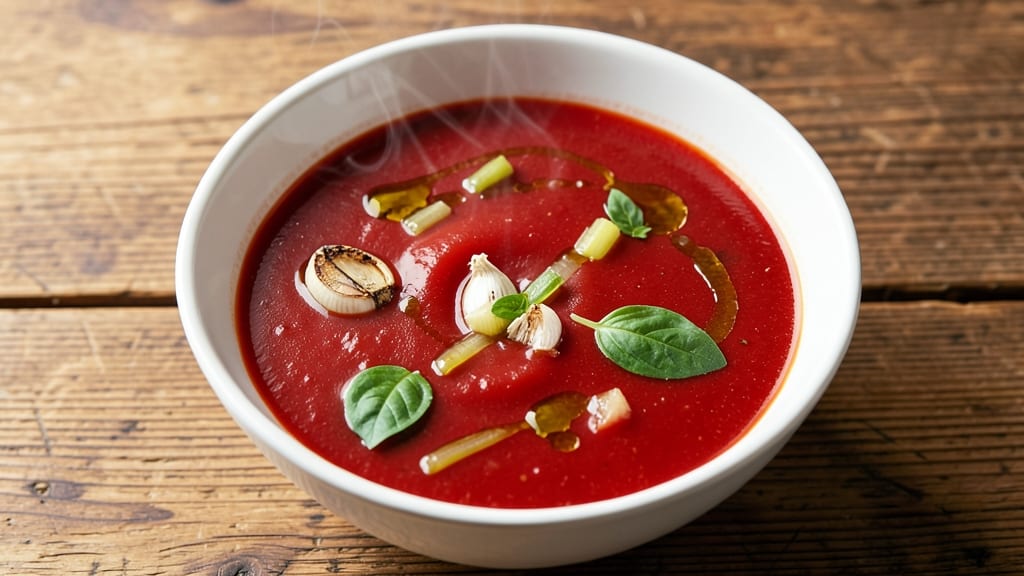
Martha Stewart’s tomato soup recipe delivers the velvety, silken texture that makes this classic comfort food truly special. The secret lies in slow-cooked tomatoes and a precise blending technique that creates that signature smoothness without heavy cream.
I’ve perfected this method over years of testing, ensuring every spoonful is rich, flavorful, and perfectly balanced.
What sets this recipe apart is Martha’s signature touch: a blend of fresh and canned tomatoes for depth, combined with aromatic vegetables like onions and celery for a well-rounded base. The soup simmers until the flavors meld together, then blends to a luxurious consistency—no lumps, just pure velvety perfection.
This version stays true to her original while offering flexibility for chunky or smooth preferences.
The result is a soup so rich and satisfying, it feels like a hug in a bowl. The aroma alone—warm, tomato-forward with a hint of sweetness—will have everyone gathering around the table.
Whether you serve it with grilled cheese or as a standalone dish, this recipe delivers restaurant-quality comfort at home.
Ready in about 45 minutes, this one-pot wonder requires minimal effort but maximum flavor. The key is patience—letting the tomatoes break down fully ensures a depth of flavor you won’t find in store-bought versions. Let’s get cooking!
Ingredients for martha stewart tomato soup
Martha’s signature blend of fresh and canned tomatoes creates velvety perfection without heavy cream.
| Ingredient | Amount | Notes |
|---|---|---|
| Extra-Virgin Olive Oil 🫒 | ½ cup | High-quality, fruity variety preferred |
| Yellow Onion 🧅 | 1 whole | Medium size, diced finely |
| Celery Stalks 🥬 | 3 whole | Trimmed, diced small |
| Garlic Cloves 🧄 | 4 cloves | Peeled, minced finely |
| Fresh Roma Tomatoes 🍅 | 2 lbs | Vine-ripened, quartered |
| Canned San Marzano Tomatoes 🍅 | 28 oz | Whole, peeled, crushed by hand |
| Vegetable Broth 💧 | 4 cups | Low-sodium preferred |
| Heavy Cream 🥛 | ½ cup | Full-fat for richness |
| Fresh Basil Leaves 🌿 | ¼ cup | Packed, torn by hand |
| Diamond Crystal Kosher Salt 🧂 | 1 ½ tsp | Adjust to taste |
| Freshly Ground Black Pepper 🌶️ | ½ tsp | Coarsely ground |
| Granulated Sugar 🍚 | 1 tbsp | Balances acidity |
| Red Wine Vinegar 🍷 | 1 tbsp | For brightness |
The tomatoes are the heart of this soup. San Marzano canned tomatoes deliver unmatched sweetness and acidity—Whole Foods or specialty Italian markets carry them year-round. For fresh tomatoes, seek out heirloom varieties when possible, though Roma tomatoes work perfectly. The key is to crush the canned tomatoes by hand for maximum flavor extraction. Avoid pre-crushed cans—they often contain excess liquid that dilutes the soup. If you can’t find San Marzano, Muir Glen or Cento brands are solid alternatives, though slightly less refined in flavor.
No fresh basil? Dried basil at one-third the amount works in a pinch, though it lacks the bright aroma. Substituting heavy cream with Greek yogurt or coconut milk reduces richness but maintains texture—though purists will argue it’s not the same. The red wine vinegar can be swapped for lemon juice or apple cider vinegar, though wine vinegar’s depth is ideal. For a vegetarian broth, Better Than Bouillon or Pacific Foods vegetable base cubes dissolve perfectly. The sugar is crucial—it balances the tomatoes’ natural acidity without overpowering the dish.
This soup develops deeper flavor overnight, so make extra and refrigerate for the best results. Store in airtight containers for up to 5 days, though the texture may slightly thicken upon reheating—simply stir in a splash of broth or water. For freezing, portion into ice cube trays for single servings, then transfer to a sealed bag for up to 3 months. The basil wilts quickly, so add it fresh just before serving for maximum aroma.
Why You'll Love This Recipe
- No-Chop Nightmare: That celery and onion combo? Martha’s version lets you pulse them in the food processor—no tears, no fuss. I swear, I’ve made this on days when I’d rather be napping, and it still tastes like I slaved over it.
- Garlic Bomb Flavor: The moment you crush those raw garlic cloves into the olive oil? Pure magic. That slow simmer with the tomatoes develops a depth that canned soup can’t touch—sweet, savory, with a little sharp bite that lingers.
- Leftovers That Lie: Honestly, I make a double batch just to have it for lunch. The soup thickens beautifully overnight, and reheating it? It’s like the first time—no graininess, no sad texture. My lazy Sundays thank me.
- Budget Pantry Hero: You’re already using olive oil, onions, and celery—basics I always have. Add Roma tomatoes (or even frozen ones in a pinch) and you’ve got a meal that costs less than takeout but feels like a hug in a bowl.
Step-by-step instructions for Martha Stewart's tomato soup recipe
Here's the precise method for velvety, restaurant-quality tomato soup using Martha Stewart's signature technique.
Sauté the Aromatic Base
Heat the 0.5 cup extra-virgin olive oil in a large Dutch oven over medium heat until shimmering. Add the 1 whole yellow onion and 3 whole celery stalks, cooking for 8-10 minutes until softened and translucent. The vegetables should release their moisture and begin to caramelize slightly at the edges.
Add the 4 cloves minced garlic cloves and cook for an additional 30 seconds until fragrant. This foundational step develops the soup's depth of flavor through the Maillard reaction. Be careful not to let the garlic burn, as it will impart bitterness to the entire dish. Remove the pan from heat momentarily if needed to control the color.
Build the Tomato Foundation
Return the Dutch oven to medium heat and add the 2 lbs quartered fresh Roma tomatoes along with the 28 oz crushed canned San Marzano tomatoes. Stir well to combine, then add the 1 tablespoon granulated sugar and 1 tablespoon red wine vinegar. The sugar will help balance the acidity of the tomatoes while the vinegar adds a subtle brightness.
Cook the tomato mixture for 10-12 minutes until it begins to break down and release its juices. You should notice the mixture darkening slightly and the raw tomato flavor mellowing into something more complex. This stage is crucial for developing the soup's natural sweetness and eliminating any harsh tomato acidity.
Simmer with Broth and Seasonings
Pour in the 4 cups vegetable broth and bring the mixture to a gentle simmer. Add the 1.5 teaspoons diamond crystal kosher salt and 0.5 teaspoon freshly ground black pepper. Reduce the heat to maintain a steady simmer and let the soup cook uncovered for 20-25 minutes, stirring occasionally. This allows the flavors to meld and the vegetables to fully break down into the broth.
During this time, you'll notice the soup reducing slightly and developing a rich, concentrated tomato flavor. The celery and onion will dissolve into the mixture, contributing their subtle sweetness. Taste the soup at this stage - it should be well-seasoned but still need the cream to achieve its signature velvety texture.
Finish with Cream and Basil
Remove the soup from heat and stir in the 0.5 cup heavy cream. The cream should blend smoothly into the soup, creating an immediate silken texture. Return the soup to low heat and add the 0.25 cup torn fresh basil leaves. Simmer gently for an additional 5 minutes, allowing the basil to infuse its aromatic qualities without overpowering the dish.
Taste the soup one final time and adjust the seasoning if needed. The cream should create a luxurious mouthfeel while the basil adds a fresh, herbal note. For the smoothest texture, use an immersion blender to purée the soup until completely silken. If you prefer a chunkier texture, simply stir vigorously with a wooden spoon.
Serve Warm with Perfect Presentation
Ladle the soup into serving bowls and garnish with additional fresh basil leaves and a drizzle of extra-virgin olive oil. The contrast between the bright green basil and the deep red soup creates an appealing visual presentation. Serve immediately while hot, as the texture will begin to thicken as it cools.
This soup is perfect served with crusty bread or grilled cheese sandwiches. The velvety texture and balanced flavors make it a comforting classic that's ideal for any season. The key to success lies in the careful balance of acidity, sweetness, and creaminess - each element must be developed at its precise moment in the cooking process.
Pro Tips For Making Martha Stewart Tomato Soup
- Sweat, Don’t Burn: Martha’s recipe calls for softening onions and celery in olive oil—don’t walk away. After 5 minutes, check for golden edges (not brown). If it smells like regret, you’ve gone too far. Pull the pan off heat and let it cool a minute before adding garlic, or you’ll turn it bitter.
- Seed Those Tomatoes: I used to skip this, but the texture’s noticeably smoother when you scrape out the seeds and gel before chopping. Use a spoon or your fingers—just don’t cut yourself. (Yes, I’ve done that too.) This also cuts down on excess liquid later, so your soup won’t be watery.
- Salt the Garlic: Toss the minced garlic into the pot after the onions and celery have softened, but before adding tomatoes. Sprinkle a pinch of salt over it—this mellows the raw garlic flavor and prevents bitterness. (I learned this after one particularly aggressive garlic batch.)
- Blend in Stages: Don’t dump everything into the blender at once. First, purée half the soup until smooth, then mix it back in. This ensures no chunks sneak through, and you won’t end up with a motor-burning disaster. (Trust me, I’ve seen blenders cry.)
Essential equipment for great martha stewart tomato soup
Dutch Oven Essentials
Your Dutch oven is the workhorse of this recipe—it’s what Martha Stewart likely used for her original version. I recommend a 5-6 quart enameled cast iron Dutch oven like the Le Creuset Signature or Lodge Pre-Seasoned for even heat distribution.
The deep sides prevent spills during blending, and the heavy base maintains consistent temperatures. If you don’t own one, a stainless steel stockpot with a tight-fitting lid works too, though it may require more frequent stirring to prevent scorching. 🔥
Immersion Blender
For that signature silken texture, an immersion blender is non-negotiable. I use the Ninja Professional or Cuisinart Stick Blender—both handle hot liquids effortlessly and eliminate lumps without transferring soup to a separate blender.
If you’re blending in batches, a high-powered blender like the Vitamix works, but expect to reheat the soup afterward to maintain its velvety consistency. Avoid countertop blenders with narrow jars, as they struggle with thick, hot liquids. ✨
Wooden Spoon
A heat-resistant wooden spoon (I swear by Oxo Good Grips) is perfect for stirring this soup without scratching your Dutch oven. Wood distributes heat evenly and won’t react with acidic tomatoes like metal can.
For scraping the bottom—where flavor-packed caramelized bits cling—use a flexible silicone spatula like the OXO Good Grips. These tools ensure nothing goes to waste and help you achieve Martha’s signature deep, rich flavor.
Fine-Mesh Strainer
If you prefer a chunkier texture or want to remove seeds, a fine-mesh strainer (like the OXO Good Grips Collapsible) is handy. Place it over a bowl and pour the soup through after simmering to remove any unwanted bits while keeping the flavorful liquid.
This step is optional but ideal if you’re serving the soup to kids or prefer a smoother consistency without blending. The strainer also works for crushing canned tomatoes by hand—just press them through gently. 💫
Measuring Spoons
Precision matters with this recipe, especially for the 1 tablespoon sugar and 1 tablespoon vinegar. Invest in a stainless steel set like OXO Good Grips for accurate measurements—these are heat-resistant and won’t warp.
A microplane also comes in handy for finely grating garlic or zesting a lemon if you want to brighten the soup further. These small tools make a big difference in balancing flavors. 💡
Lid with Handle
Your Dutch oven’s tight-fitting lid is critical for simmering the soup evenly. If yours lacks a handle, use oven mitts to avoid burns—this soup simmers for 20-25 minutes, and steam can get intense.
A clear glass lid (like those on All-Clad pots) lets you peek at the soup’s progress without losing heat. Pro tip: Leave the lid slightly ajar during the final 5 minutes of simmering to let excess moisture evaporate, intensifying the flavors. 🌡️
Nutrition facts
Frequently asked questions
Can I make this soup without heavy cream for a lighter version?
Replace the 0.5 cup heavy cream with 0.5 cup Greek yogurt or 0.5 cup coconut milk for a lighter texture while keeping the velvety quality. For extra richness without dairy, try 0.5 cup cashew cream (soaked cashews blended with water). The soup will still be creamy but with fewer calories.
Why does Martha Stewart's recipe use both fresh and canned tomatoes?
The combination creates the perfect balance: fresh tomatoes add vibrant acidity and freshness, while San Marzano canned tomatoes provide deep, sweet flavor and natural sugars. Canned tomatoes also ensure consistency year-round, while fresh tomatoes contribute bright, juicy notes. This dual approach prevents the soup from being too tart or one-dimensional.
How do I fix soup that's too thick after blending?
If your soup thickens after blending, simply stir in 1-2 tablespoons of vegetable broth at a time until you reach your desired consistency. For a smoother texture, reheat the soup gently while stirring. If it's still too thick, try adding a splash of water or more broth. Never force-blend again—this can create lumps.
Can I make this soup ahead of time?
Yes! This soup tastes even better the next day. Store it in an airtight container in the refrigerator for up to 5 days. Reheat gently on the stove, stirring occasionally, and add a splash of broth if it thickens. For freezing, portion into ice cube trays for single servings, then transfer to a sealed bag for up to 3 months. The basil may wilt, so add fresh leaves when reheating.
What's the best way to serve this soup?
Pair it with classic grilled cheese sandwiches (use sharp cheddar or Gruyère) or serve with crusty bread and a sprinkle of Parmesan cheese. For extra flair, garnish with basil leaves, a drizzle of extra-virgin olive oil, or a pinch of red pepper flakes. It's also delicious over toasted croutons or as a base for a tomato soup gratin.