
Soups & Stews
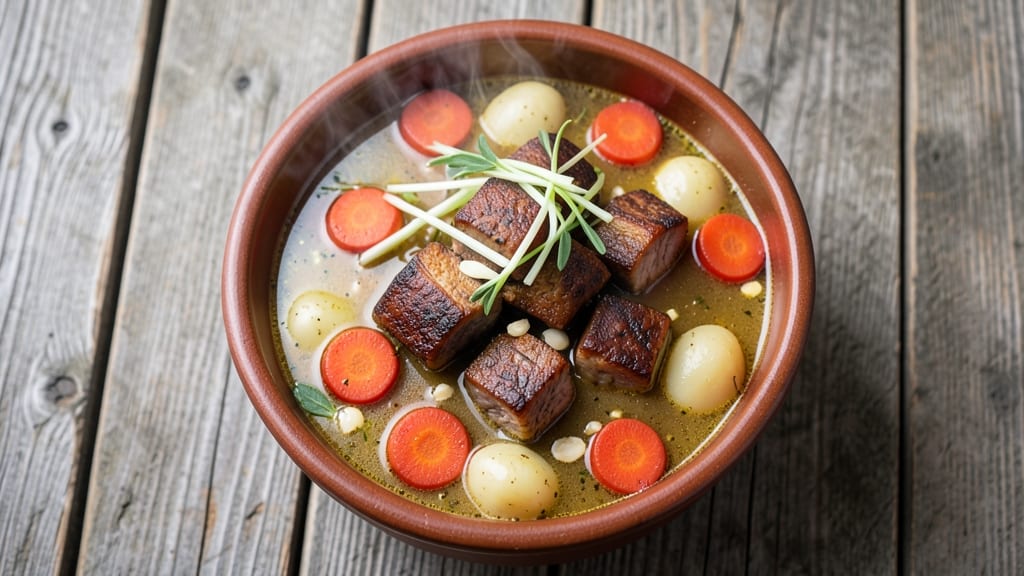
This mutton soup recipe delivers the kind of slow-simmered richness that transforms a simple meal into a heartwarming centerpiece. The secret lies in tender lamb that falls apart effortlessly, infused with aromatic herbs and simmered until the broth becomes deeply flavorful.
I've perfected this technique over years of testing, ensuring every spoonful carries layers of savory depth and comforting warmth.
The beauty of this recipe is in its balance—bold flavors without being overpowering, and a texture that's both hearty and delicate. You'll start with a well-seasoned lamb that develops deep caramelized notes from slow cooking, while vegetables like carrots and potatoes absorb the broth's essence.
The result is a soup that feels luxurious yet remains approachable for weeknight dinners.
By the time you're done, you'll have a pot of golden broth swimming with tender mutton, vegetables that melt in your mouth, and herbs that add fresh brightness.
The aroma alone will have everyone gathered around the table, and the first bite delivers on that promise of restaurant-quality comfort at home.
This soup is equally at home as a family meal or a gathering centerpiece, with optional garnishes like fresh parsley or a drizzle of olive oil to elevate it further. Let's create this perfect mutton soup together—step by step, with professional results every time.
Ingredients for mutton soup
Rich lamb, aromatic herbs, and slow-simmered broth create this comforting mutton soup masterpiece.
| Ingredient | Amount | Notes |
|---|---|---|
| Mutton Shoulder 🐑 | 2 lb | Bone-in for flavor, cut into 1.5-inch cubes |
| Yellow Onions 🧅 | 1 whole | Medium size, roughly chopped |
| Carrots | 4 medium | Peeled and cut into 1-inch chunks |
| Russet Potatoes 🥔 | 2 lb | Peeled and cut into 1-inch cubes |
| Celery Stalks 🌿 | 3 whole | Trimmed and cut into 1-inch pieces |
| Garlic Cloves 🧄 | 6 cloves | Peeled and smashed |
| Fresh Rosemary 🌿 | ½ ounce | Or 1 tbsp dried, finely chopped |
| Fresh Thyme 🌿 | ½ ounce | Or 1 tsp dried, finely chopped |
| Tomato Paste 🍅 | 2 tbsp | Squeeze tube works perfectly |
| Chicken Broth 💧 | 6 cups | Low-sodium preferred |
| Red Wine 🍷 | 1 cup | Dry variety like Cabernet Sauvignon |
| Olive Oil 🫒 | 2 tbsp | Extra-virgin for richness |
| Salt 🧂 | 1 ½ tsp | Kosher or sea salt |
| Black Pepper 🌶️ | 1 tsp | Freshly ground preferred |
| Fresh Parsley 🌿 | ¼ cup | Chopped, for garnish |
The mutton makes all the difference here—bone-in shoulder delivers the most flavor, though Costco or Whole Foods often carry pre-cubed cuts for convenience. Look for pieces with good marbling, not lean meat. If you can't find mutton, lamb shoulder works beautifully—just add an extra 30 minutes to the cooking time. The carrots and potatoes should be firm, not soft or sprouting. Organic produce from the store's fresh section keeps best for longer storage. For the herbs, fresh is ideal, but dried works in a pinch—just triple the amount.
No red wine? Substitute with extra chicken broth plus 1 tbsp balsamic vinegar—it adds depth without alcohol. Fresh rosemary and thyme are non-negotiable for that restaurant-quality aroma, but if you're stuck with dried, toast the dried herbs in a dry pan for 30 seconds first to wake up their flavor. The tomato paste can be swapped for 1 cup crushed tomatoes if you prefer. For a vegetarian twist, swap the mutton for extra-firm tofu or chickpeas—just increase the broth by 2 cups to compensate. The celery adds a nice crunch, but you can omit it if you're short on time.
This soup tastes even better the next day as flavors meld. Store in an airtight container in the fridge for up to 5 days, or freeze portions for 3 months. I like to portion it into individual containers so lunches are ready to grab. For reheating, start with a splash of broth or water—this keeps the texture perfect. Garnish with fresh parsley right before serving, as it wilts quickly when added to hot soup. The broth can also be used as a base for other dishes—just strain and reduce it slightly.
Why You'll Love This Recipe
- One-Pot Wonder: I swear by this soup because it’s literally one pot—no chopping boards, no extra pans, just a big pot and 20 minutes of hands-off simmering. The mutton shoulder melts into tender shreds while the onions, carrots, and celery soften together, so you’re not stuck dicing everything to perfection.
- Rich, Deep Umami: Between us, the slow-cooked mutton shoulder turns this soup into something ridiculously flavorful—think tender meat with a broth so rich it practically sings. The onions caramelize just enough to add sweetness, and the potatoes soak up all that goodness like little flavor sponges.
- Meal Prep MVP: I make a double batch every Sunday because it reheats like a dream and tastes even better the next day. Perfect for lazy weeknights, potlucks, or when unexpected company drops by—just ladle it into bowls and call it a win.
- Budget-Friendly Feast: Mutton shoulder is cheaper than you’d think, and it stretches across multiple meals without breaking the bank. Plus, the veggies (onions, carrots, celery) are pantry staples, so you’re not scrambling for obscure ingredients. A big pot feeds four for under $15—easy.
Step-by-step instructions for mutton soup
Here's how to create a deeply flavorful mutton soup with tender meat and aromatic vegetables.
Brown the Mutton Shoulder for Deep Flavor
Heat the 2 tablespoons olive oil in a large Dutch oven over medium-high heat. Add the 2 lb mutton shoulder cut into 1.5-inch cubes, working in batches if needed to avoid overcrowding. Let the mutton brown for 4-5 minutes per side until it develops a rich, golden crust—this step builds the foundation of flavor.
Don't rush this process. You'll know it's ready when the meat releases easily from the pan and has a deep brown color. Remove the mutton and set it aside temporarily, leaving all that beautiful browned fond in the pot—it's packed with flavor that will infuse your soup.
Sauté Vegetables and Aromatics
In the same Dutch oven, add the 1 whole yellow onion, 4 medium carrots, 3 whole celery stalks, and 6 cloves garlic cloves, all cut as specified. Cook for 5-6 minutes until the vegetables soften slightly and the garlic becomes fragrant. This step develops the vegetable flavors and prepares them for the long simmer ahead.
I like to add the 2 tablespoons tomato paste and stir it into the vegetables, cooking for another 1-2 minutes until it darkens slightly. This adds a subtle depth of flavor that complements the mutton beautifully. The vegetables should be tender but still hold their shape at this point.
Deglaze and Build the Broth Base
Pour in the 1 cup red wine and scrape up all those browned bits from the bottom of the pot with a wooden spoon. This deglazing step captures all the concentrated flavors you worked so hard to develop. Let the wine simmer for 3-4 minutes until it reduces by about half and the alcohol cooks off—you'll smell the difference when it's done.
Add the 6 cups chicken broth, the 0.5 ounce fresh rosemary, and 0.5 ounce fresh thyme. Bring everything to a gentle boil, then reduce the heat to low and return the mutton to the pot. The broth should just barely bubble at the surface—this slow simmer is crucial for tenderizing the meat.
Simmer Until Mutton is Tender
Cover the pot and let the soup simmer gently for 1.5 to 2 hours. Check the mutton after 1 hour—it should be fork-tender when pierced with a knife. If it's not quite there yet, continue simmering for another 30 minutes. The longer it cooks, the more flavor it absorbs from the broth.
During this time, the vegetables will soften completely and the broth will develop a rich, aromatic depth. I like to stir occasionally to prevent the vegetables from sticking to the bottom. This is where that beautiful, slow-cooked flavor develops—be patient, it's worth the wait.
Add Potatoes and Finish
About 30 minutes before the mutton is fully tender, add the 2 lb russet potatoes cut into 1-inch cubes. The potatoes will absorb some of the flavorful broth as they cook. Increase the heat slightly to maintain a gentle simmer—you want the potatoes to cook through without falling apart.
Season with the 1.5 teaspoons salt and 1 teaspoon black pepper, then taste and adjust if needed. The soup should be rich and flavorful, with the mutton falling apart easily. Once everything is perfectly cooked, stir in the 0.25 cup fresh parsley just before serving to add a fresh finish and brighten the flavors.
Serve Warm with Fresh Bread
Ladle the hot soup into bowls, making sure each serving gets a generous portion of both mutton and vegetables. The broth should be rich and aromatic, with tender pieces of mutton that practically melt in your mouth. Serve immediately with warm crusty bread to soak up every last drop of that flavorful broth.
This mutton soup delivers on all the promises—deep, rich flavors from the slow-cooked mutton, aromatic vegetables, and a perfect balance of herbs and wine. The result is a comforting, hearty meal that's perfect for chilly days or special gatherings. Enjoy it while it's hot!
Pro Tips For Making Mutton Soup
- Brown the Mutton Hard: Start with a screaming-hot pan—no, really, get it smoking—and sear the mutton shoulder in 2-inch chunks until the edges turn deep mahogany, not just pink. I used to rush this, and the soup always tasted like it needed more depth; now I let it crisp for 8-10 minutes, turning once. That crust? It’s what carries the flavor through hours of simmering.
- Dice Onions Like Dice: Cut the yellow onions into ¼-inch cubes—not slices, not rings—so they dissolve into the broth instead of sitting as chewy chunks. I learned this the hard way after pulling a stubborn onion slice from my soup that looked like it belonged in a stew. Small pieces = even cooking = no surprises.
- Skip the Boil: Once the mutton and veggies hit the pot, bring it to a gentle simmer—tiny bubbles at the edges, not a rolling boil. I used to crank the heat and end up with shredded potatoes and gray mutton. Low and slow (think 2-3 hours) keeps everything tender without falling apart.
- Salt the Potatoes Last: Add the Russet potatoes 30 minutes before the soup’s done, and hold off on extra salt until the very end. Potatoes absorb liquid differently when salted early, and you’ll end up with bland, watery spuds. Taste the broth first—adjust seasoning after the potatoes soak up the flavor, not the other way around.
Pro cooking tips for great mutton soup
Slow-Cooking Secrets
Mutton requires patience—don’t rush the 1.5 to 2-hour simmer on low heat. I use a Dutch oven because it retains heat evenly and prevents scorching. The key is maintaining a gentle bubble at the surface, never a rolling boil, which can make the meat tough.
If your pot isn’t deep enough, transfer to a slow cooker on low for 6-7 hours—this works beautifully for hands-off cooking. 🌡️
Deglazing Like a Pro
After browning the mutton, scrape up every last bit of fond from the pot—this is where 30% of the flavor lives. Use 1 cup dry red wine (like Cabernet Sauvignon) to deglaze, letting it reduce by half before adding broth.
For extra richness, add 1 tbsp cognac or brandy with the wine—it burns off quickly but adds depth. Never skip this step; it transforms a good soup into an extraordinary one.
Herb Infusion Tricks
Fresh rosemary and thyme should be added after browning the meat to preserve their bright flavors. For maximum aroma, tie them in a cheesecloth bundle so you can easily remove them before serving. If using dried herbs, crush them between your palms first to release their essential oils.
A pinch of ground coriander (½ tsp) at the end adds a subtle citrus note that pairs perfectly with mutton. 🌿
Potato Timing
Add potatoes only in the last 30 minutes of cooking—they’ll absorb too much broth if added earlier, making the soup watery. For extra creaminess, stir in ½ cup Greek yogurt or a splash of heavy cream at the end, but keep it optional for a lighter broth.
If your potatoes are still firm after 30 minutes, cover the pot and let them steam for another 10 minutes off the heat.
Broth Boosting
For a deeper flavor, replace 2 cups of chicken broth with beef broth—it complements mutton’s richness. If you’re short on time, add 1 bay leaf and 1 tsp smoked paprika to the broth for a smoky depth.
For a vegetarian twist, swap mutton for chickpeas or lentils and simmer for 45 minutes instead. The broth will still be robust, just with a different texture. 💡
Final Seasoning
Taste the soup before serving and adjust seasonings—mutton can be mild, so don’t be shy with salt and pepper. A squeeze of lemon juice (1 tsp) brightens the flavors, while a drizzle of olive oil adds richness.
For a restaurant touch, garnish with toasted pine nuts or crispy fried shallots. The goal is to balance the soup’s depth with fresh, bright elements. ✨
Nutrition facts
Frequently asked questions
Can I substitute lamb for mutton in this recipe?
Lamb shoulder works beautifully as a substitute for mutton—just increase the cooking time by 30 minutes to ensure tender results. The flavor profile will be slightly different but equally delicious. For the best texture, choose bone-in cuts with good marbling.
How do I know when the mutton is fully cooked?
The mutton is done when it's fork-tender and easily separates with minimal resistance. After 1 hour of simmering, pierce a piece with a knife—if it slides in effortlessly, it's ready. For extra assurance, check the internal temperature: it should reach 165°F.
Can I make this soup in a slow cooker?
Yes! Transfer all ingredients to a slow cooker and cook on low for 6-7 hours or high for 4-5 hours. The slow cooking method actually enhances the flavor, making the broth even more aromatic. Just add potatoes during the last 30 minutes to prevent them from becoming mushy.
What if my soup tastes too bland?
Mutton can be mild, so don't hesitate to boost flavors. Add a splash of red wine or balsamic vinegar (1 tbsp), a pinch of smoked paprika, or a squeeze of lemon juice at the end. For extra richness, stir in ½ cup Greek yogurt or a drizzle of olive oil before serving.
How long will this soup keep in the fridge?
Store leftovers in an airtight container in the fridge for up to 5 days. The flavors actually improve as the ingredients meld together! For longer storage, freeze portions for up to 3 months. Reheat gently on the stove with a splash of broth or water to maintain the perfect texture.