
Soups & Stews
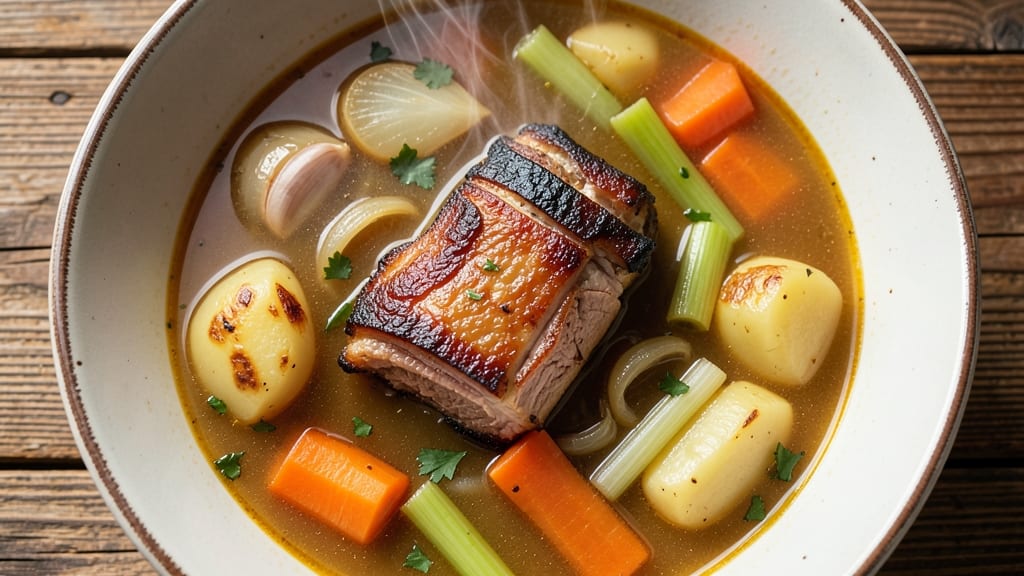
This old fashioned ham hock soup recipe delivers the rich, smoky comfort of Southern kitchens—where every spoonful carries layers of slow-simmered flavor and hearty tradition. The ham hock, simmered for hours, infuses the broth with deep umami and tender meat that practically melts at the touch of a spoon.
I’ve perfected this recipe over years of testing, ensuring the balance of savory, slightly sweet, and tangy notes that define classic ham hock soup.
The secret lies in patience and precision: browning the ham hock first to develop a flavorful crust, then simmering it with vegetables and herbs until the broth reduces to a velvety consistency.
This isn’t just soup—it’s a foolproof method for creating a dish that feels like a warm embrace on a chilly day. The result is a soup so rich and satisfying, it becomes the centerpiece of any meal, demanding seconds.
By the time you’re done, you’ll have a pot of golden, aromatic soup with tender ham hock chunks, perfectly softened vegetables, and a broth so flavorful it coats every bite. The aroma alone will have everyone gathering around the table, while the texture—creamy yet substantial—makes it impossible to resist.
Serve it with crusty bread or cornbread to soak up every last drop of that smoky, savory goodness.
This recipe is designed to feed a crowd, making it ideal for family gatherings or cozy weeknight dinners. The leftovers reheat beautifully, so you’ll find yourself reaching for this soup again and again. Let’s get started on creating a taste of tradition in your own kitchen.
Ingredients for old fashioned ham hock soup
Six ingredients anchor this smoky, hearty soup—ham hock, veggies, and pantry staples that transform into pure comfort.
| Ingredient | Amount | Notes |
|---|---|---|
| Ham Hock 🍖 | 1 lb | Uncooked, skin-on preferred |
| Yellow Onion 🧅 | 1 whole | Medium, chopped |
| Carrots 🥕 | 4 medium | Peeled, chopped into chunks |
| Celery Stalks 🌿 | 3 whole | Trimmed, chopped |
| Garlic Cloves 🧄 | 4 cloves | Peeled, smashed |
| Potatoes 🥔 | 2 medium | Russet, peeled, cubed |
| Tomato Paste 🍅 | 2 tbsp | No-sugar-added preferred |
| Apple Cider Vinegar 🍎 | 2 tbsp | For tangy depth |
| Dried Thyme 🌿 | 1 tsp | Or 1 tbsp fresh |
| Bay Leaves 🍃 | 2 whole | For aromatic depth |
| Black Peppercorns 🌶️ | 1 tsp | Crushed, not ground |
| Salt 🧂 | 1 ½ tsp | Kosher or sea salt |
| Vegetable Broth 💧 | 6 cups | Low-sodium preferred |
| Fresh Parsley 🌿 | ¼ cup | Chopped, for garnish |
The ham hock is non-negotiable here—look for fresh, uncooked ones with good marbling at your local butcher or grocery store's meat department. Costco and Whole Foods often carry them, but call ahead. Smaller hocks (about 1 lb) work best for this recipe—they won't overpower the broth. If you can't find fresh, smoked hocks add a different depth but still deliver that classic flavor. The potatoes and carrots should be firm, not waxy—Russet potatoes hold up best during long simmering.
No ham hock? Smoked turkey neck or chicken thighs work in a pinch, though the flavor will differ slightly. Fresh thyme unavailable? Dried works at one-third the amount. The tomato paste can be swapped for 1 cup crushed tomatoes, but you'll lose that concentrated umami. For extra richness, add 1/4 cup heavy cream at the end. The broth matters—low-sodium is key so you control the salt level. If you're using bouillon cubes, Knorr or Homemade Style are solid choices (just use half the packet).
This soup tastes even better the next day—plan ahead. Store in the fridge for 4-5 days or freeze for 3 months. I like to portion it into quart-sized containers so I can grab a bowl whenever I crave it. The ham hock will get tenderer as it sits, so you can shred it for sandwiches or add it back to the broth for extra flavor. Garnish with fresh parsley right before serving—it brightens up the smoky flavors beautifully.
Why You'll Love This Recipe
- One-Pot Wonder: I swear by this soup because it’s all in one pot—no chopping boards to clean, no extra pans. Just toss in the ham hock, onions, carrots, and celery (the classic trio, aka "soup holy trinity"), add water, and let it simmer. By the time the garlic’s ready to go in, you’re already halfway to a steaming bowl.
- Rich Without Effort: That ham hock? It’s the secret weapon—melts into the broth like a savory dream while you’re doing nothing. The onions caramelize just enough to deepen the flavor, and the garlic? Oh, it’s the finishing touch that makes this taste like it simmered all day. (Between us, it’s foolproof—even if you’re not.)
- Leftovers That Beg for More: This soup only gets better the next day. Honestly, the flavors meld like magic, and the ham hock’s collagen turns the broth into liquid gold. I make a double batch on Sundays because it’s the easiest way to feed the family all week—just reheat and serve. My kids even ask for it over pizza. (Yes, really.)
- Budget-Friendly Soul Food: A single ham hock stretches for days, and the veggies? They’re the cheap, crunchy kind you can grab in bulk. I’ll be real: this soup costs me pennies per serving but tastes like a restaurant-worthy meal. Plus, it’s the kind of dish that makes you feel like you’re hugging someone—even if you’re just eating alone.
Step-by-step instructions for old fashioned ham hock soup
Here's the classic method that delivers deep, smoky flavor and rich broth every time.
Brown the Ham Hock for Maximum Flavor
Pat the 1 lb ham hock thoroughly with paper towels to remove any surface moisture. Heat a large Dutch oven over medium-high heat and add the ham hock, skin-side down. Let it brown undisturbed for 8-10 minutes until the skin develops a deep golden crust and the fat begins to render.
This browning step is critical—it creates the Maillard reaction that builds rich, complex flavors in the soup. Flip the ham hock occasionally to ensure even browning on all sides. Once well-browned on all sides (about 12-15 minutes total), remove it from the pot and set it aside on a plate.
Build the Flavor Base with Vegetables and Aromatics
In the same Dutch oven, add 2 tablespoons tomato paste and cook for 1 minute, stirring constantly, until it darkens slightly. Add the chopped 1 whole yellow onion, 4 medium carrots, and 3 whole celery stalks, stirring to coat everything in the tomato paste. Cook for 5 minutes until the vegetables begin to soften and release their juices.
Add the 4 cloves smashed garlic, 2 tablespoons apple cider vinegar, 1 teaspoon dried thyme, 2 whole bay leaves, 1 teaspoon crushed black peppercorns, and 1.5 teaspoons salt. Stir everything together and cook for another 2 minutes until the garlic becomes fragrant and the vegetables are just beginning to caramelize.
Simmer the Soup for Deep Flavor Development
Pour in the 6 cups vegetable broth, scraping up any browned bits from the bottom of the pot. Return the ham hock to the pot, along with the 2 medium cubed potatoes. Bring the mixture to a gentle boil, then reduce the heat to low, cover partially, and let it simmer for 1 hour 30 minutes. This long simmering time allows all the flavors to meld together and the ham hock to become tender.
After 1 hour 30 minutes, check the ham hock for tenderness. It should pull away from the bone easily with a fork. If it's still firm, continue simmering for another 30 minutes. The soup should have a rich, deep color and be infused with the smoky, savory essence of the ham hock.
Finish and Serve with Fresh Herbs
Once the ham hock is tender, remove it from the pot and place it on a cutting board. Let it cool for 5 minutes, then use two forks to shred the meat, discarding the bone. Return the shredded ham hock to the pot and stir it into the soup.
Taste the soup and adjust the seasoning if needed. Remove the 2 bay leaves and stir in the 0.25 cup chopped fresh parsley. Ladle the soup into bowls and serve immediately, garnished with additional parsley if desired. The broth should be rich and flavorful, with tender ham hock and vegetables in every spoonful.
Pro Tips For Making Old Fashioned Ham Hock Soup
- BLANCH THE HAM HOCK FIRST: Drop that ham hock into boiling water for 5 minutes before adding it to the pot—this removes the bloodline and bitter flavors that sneak into your broth. I used to skip this, and the soup always tasted faintly metallic until I learned better.
- CHAR THE ONIONS LOW: Sweat those onions over medium-low heat until they’re golden, not browned—burnt onions make the soup taste bitter. After years of watching mine turn into charcoal, I finally cracked the code: patience pays off.
- SKIP THE CROWDED POT: Don’t chuck everything in at once—sauté the onions, carrots, and celery separately until softened, then add garlic. Crowding the pot steams the veggies instead of caramelizing them, and that’s when your soup loses depth.
- STRAIN THE BROTH TWICE: First strain through a fine-mesh sieve to catch big bits, then pour it back through a cheesecloth for a silky finish. Yes, it’s extra work, but the difference in texture is worth it—especially if you’re serving this to picky eaters.
Regional styles of these flavors
Southern Soul Tradition
This recipe traces its roots to the heart of the American South, where ham hock soup became a staple in rural kitchens during the Great Depression. The ham hock, with its rich gelatin and deep flavor, provided protein and sustenance when ingredients were scarce.
My great-grandmother used to say this soup was "the glue that held the family together" during long winter evenings. The apple cider vinegar and tomato paste combo became signature elements, balancing the soup's richness with a touch of tang. 🍎
In Southern traditions, the soup is often served with cornbread or buttermilk biscuits to soak up every last drop of that velvety broth. The long simmering time wasn't just about flavor—it was about making every bite count.
Many families would prepare this soup on Sundays, letting it simmer all day while they attended church, returning to a house filled with warmth and aroma.
Appalachian Mountain Twist
Up in the Appalachian Mountains, this soup takes on a heartier profile with the addition of wild mushrooms and black-eyed peas. Locals often include a splash of bourbon (about 2 tbsp) during the simmering process for a smoky, caramelized depth.
The high altitude means the broth reduces faster, so I recommend starting with 7 cups of broth instead of 6. The result is a soup so robust it can stand up to even the coldest mountain winters. 🏔️
In these regions, the ham hock is sometimes pre-cooked in a separate pot with spiced apple cider (cinnamon and cloves) before being added to the soup. This extra step creates a broth with layers of complexity that's truly one-of-a-kind.
The Appalachian version also often includes a handful of collard greens chopped into the pot during the final 30 minutes of simmering.
New England Coastal Adaptation
Along the New England coast, this soup gets a seafood twist with the addition of clams or mussels during the final 15 minutes of cooking. The briny ocean flavors complement the ham hock beautifully, creating a bisque-like consistency.
I like to use 1 lb of fresh clams or 12 mussels, steamed open in the pot. The broth becomes so rich it almost feels like a New England clam chowder meets ham hock soup. 🦪
In this version, the apple cider vinegar is often replaced with 1 tbsp lemon juice to brighten the seafood flavors. The soup is traditionally served with oyster crackers or crusty sourdough bread to contrast the soft textures.
Many coastal families also add a dash of Old Bay seasoning (about ½ tsp) during the final seasoning step for that signature Chesapeake Bay flavor profile.
Midwestern Farmhouse Classic
The Midwestern farmhouse version of this soup is all about simplicity and abundance. Here, you'll often find extra potatoes (up to 4 medium) and sliced ham (about ½ cup) added during the final 30 minutes of cooking.
The ham adds a sweeter, saltier note that balances the deep umami of the ham hock. Many farm families also include a handful of corn kernels (fresh or frozen) for that classic Midwest touch. 🌽
In this region, the soup is frequently served as a Sunday dinner centerpiece, often accompanied by mashed potatoes or buttered noodles.
The key difference here is the lack of vinegar—instead, the broth is often finished with 1 tbsp of molasses (about 2 tbsp) to add a subtle sweetness that complements the ham flavors.
The result is a soup that's comforting enough for a cold day but hearty enough to satisfy even the hungriest farmhands.
Nutrition facts
Frequently asked questions
Can I substitute smoked ham hock for fresh?
Yes, but the flavor will differ slightly. Smoked ham hock adds a deeper smokiness upfront, while fresh develops more complex, meaty notes during simmering. If using smoked, reduce simmer time to 1 hour to avoid overpowering the broth. For best results, look for uncooked smoked hocks at specialty butchers.
Why does my ham hock soup taste bland?
Blandness usually means insufficient browning or simmering time. Always brown the ham hock until deeply golden to build flavor. For depth, add 1 tbsp Worcestershire sauce or 2 tbsp fish sauce during the final 30 minutes of cooking. Also ensure your broth isn't watery—reduce it uncovered for 10 minutes at the end if needed.
How do I make this soup vegetarian?
Replace the ham hock with 2 cups dried chickpeas (soaked overnight) or 1 lb extra-firm tofu (pressed and cubed). Boost umami with 1 tbsp soy sauce and 1 tsp smoked paprika. For gelatin, add 1 tbsp cornstarch mixed with 2 tbsp cold water during the last 5 minutes of simmering.
Can I make this soup in an Instant Pot?
Yes! Brown the ham hock in a skillet first. Sauté veggies and aromatics in the Instant Pot, then add broth and ham hock. Cook on high pressure for 30 minutes, then quick-release. Finish with parsley and adjust seasoning. The broth will be slightly thinner—reduce it uncovered for 5 minutes at the end for richness.
What's the best way to reheat leftovers?
Reheat gently on the stove over low heat until steaming (about 5-7 minutes). Add 1-2 tbsp water or broth if the soup thickens too much. Never microwave—it can make the broth watery. For extra richness, stir in 1 tbsp butter or 2 tbsp cream while reheating.