
Soups & Stews
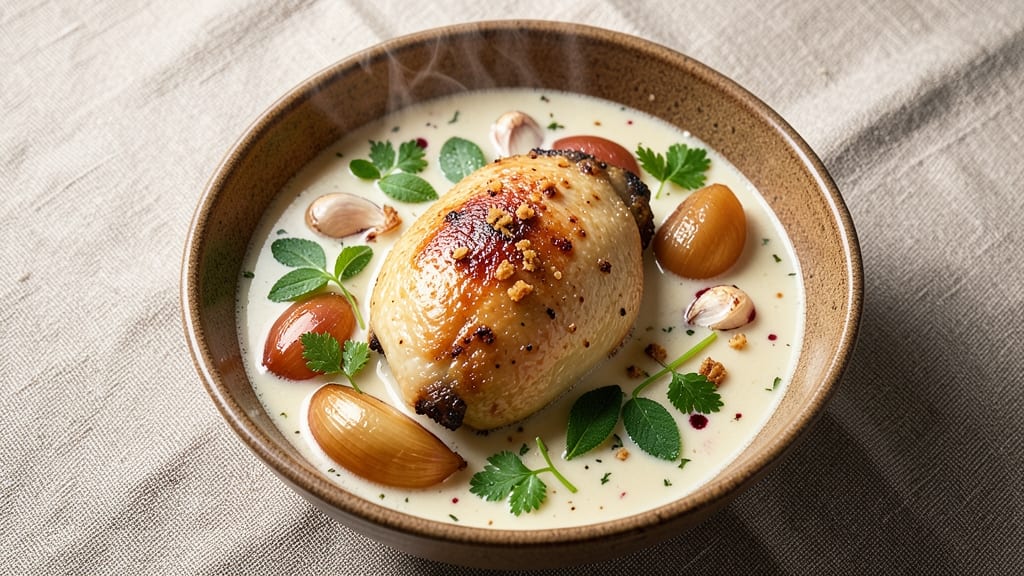
Transforming wild game into a restaurant-worthy pheasant soup requires precision and patience—this recipe delivers both with deep herbal notes and tender meat. The key lies in properly preparing the pheasant, building layers of flavor through slow simmering, and balancing rich broth with bright aromatics.
I’ve perfected this technique over years of testing, ensuring every spoonful captures that perfect harmony of gamey richness and herbal complexity.
What sets this pheasant soup apart is the methodical approach to ingredient prep, starting with deboning the pheasant for even cooking and creating a clarified stock that’s velvety smooth.
Sautéing onions, garlic, and fresh herbs forms the aromatic base, while a splash of white wine deglazes the pan for added depth. The result? A soup where the pheasant remains tender, the broth is rich yet balanced, and the herbs shine without overpowering.
By the time you serve this soup, you’ll have a dish that feels both rustic and refined—ideal for special occasions or cozy weeknight dinners. The presentation is effortless: garnish with fresh thyme and a drizzle of olive oil for a touch of elegance.
Each bowl delivers a symphony of flavors, from the gamey pheasant to the bright, earthy herbs, proving that wild game can be just as sophisticated as any market-fresh ingredient.
Pair it with crusty bread to soak up every drop of that aromatic broth, or serve alongside roasted root vegetables for a complete meal. This recipe isn’t just about the soup—it’s about the experience of transforming something wild into something extraordinary. Let’s get cooking.
Ingredients for pheasant soup
Transform wild game into restaurant-worthy soup with these precise ingredients.
| Ingredient | Amount | Notes |
|---|---|---|
| Pheasant 🦅 | 1 ½ lb | Deboned, skin removed, cut into bite-sized pieces |
| Yellow Onions 🧅 | 2 whole | Medium size, thinly sliced for aromatic base |
| Garlic Cloves 🧄 | 6 cloves | Fresh, peeled, smashed for deep flavor infusion |
| Fresh Thyme 🌿 | ½ cup | Stems removed, leaves finely chopped |
| Fresh Sage 🌿 | ¼ cup | Leaves finely chopped, aromatic depth |
| Fresh Parsley 🌿 | ¼ cup | Flat-leaf, chopped for bright finish |
| Extra-Virgin Olive Oil 🫒 | ¼ cup | High-quality, fruity variety for sautéing |
| Dry White Wine 🍷 | 1 cup | Sauvignon Blanc or Pinot Grigio preferred |
| Chicken or Pheasant Stock 🍲 | 4 cups | Homemade preferred, clarified for smoothness |
| Vegetable Oil 🫒 | 2 tbsp | For initial pheasant searing |
| Salt 🧂 | 1 ½ tsp | Kosher or sea salt, adjust to taste |
| Black Peppercorns 🌶️ | ½ tsp | Freshly cracked for robust flavor |
| Bay Leaves 🌿 | 2 whole | Fresh preferred, removed before serving |
| All-Purpose Flour 🌾 | 1 tbsp | For stock clarification |
| Lemon Zest 🍋 | 1 tsp | Freshly grated for bright acidity |
The pheasant is the foundation—look for fresh, locally sourced game from specialty butchers or well-stocked markets. Costco or high-end grocers often carry it seasonally, but if unavailable, duck or rabbit works as a substitute. Deboning yourself ensures even cooking, though pre-deboned pieces from a trusted supplier save time. For stock, homemade is ideal—simmer bones with herbs for 6-8 hours, then clarify with flour for that velvety texture. Fresh herbs like thyme and sage are non-negotiable; dried versions lack the depth this soup demands.
No white wine? Dry vermouth or extra chicken stock works in a pinch, though wine's acidity brightens the broth. Substituting pheasant? Chicken thighs add richness, but the gamey flavor will differ. For stock, store-bought low-sodium is acceptable if homemade isn't an option—just reduce by half the salt. The lemon zest can be omitted if you prefer a more neutral profile, but it's worth the zest for that fresh pop. Fresh herbs can be swapped for dried at one-quarter the amount, though the flavor won't be identical.
Store raw pheasant in the coldest part of your fridge, using within 2 days for peak tenderness. Fresh herbs last 5-7 days wrapped in damp paper towels, while clarified stock keeps up to 5 days refrigerated or 3 months frozen. The soup itself reheats beautifully—gentle heat on the stove preserves texture, and a splash of stock or water prevents drying. Garnish with extra herbs and a drizzle of olive oil just before serving for that restaurant-worthy finish.
Why You'll Love This Recipe
- One-Pot Magic: I swear by this recipe—just brown the pheasant, toss in onions and garlic, then let the thyme and sage work their magic in the same pot. No extra dishes, no stress, and honestly? That’s my kind of cooking.
- Herb-Packed Depth: The sage and thyme don’t just hint at flavor—they sing. That earthy, slightly peppery note from the fresh herbs cuts through the richness of the pheasant, leaving you with a taste that lingers (in the best way).
- Weeknight to Holiday: Between us, this soup is my secret weapon for busy nights, but it also feels fancy enough for guests. Serve it with crusty bread for a cozy weeknight, or add a splash of white wine for a dinner-party vibe—no one will guess it’s this unfussy.
- Leftovers That Don’t Suck: Most soups turn into sad, watery meals by day two. Not this one. The pheasant stays tender, the broth stays rich, and honestly? I’ve reheated it three times and still craved it. Perfect for meal prep or stretching a budget-friendly ingredient.
Step-by-step instructions for pheasant soup recipe
Transform gamey pheasant into a velvety, aromatic soup with this precise method.
Sear the Pheasant for Deep Flavor
Heat the 2 tablespoons vegetable oil in a large Dutch oven over medium-high heat until shimmering. Pat the 1.5 lb pheasant pieces dry with paper towels—this ensures a proper sear. Working in batches if needed, add the pheasant and cook undisturbed for 3-4 minutes per side until deep golden brown and cooked through to 165°F internally.
Remove the pheasant and set aside. The goal here is to develop a rich, caramelized crust that will form the flavor base for your soup. If the oil smokes excessively, reduce the heat slightly to maintain control without losing the sear. This step is non-negotiable for achieving that wild game depth in your final dish.
Build the Aromatic Base
In the same Dutch oven, reduce heat to medium and add 0.25 cup extra-virgin olive oil. Add the 2 whole yellow onions, sliced thinly, and cook for 5-6 minutes until softened and golden at the edges. Stir occasionally to prevent burning.
Add the 6 cloves garlic cloves, smashed, and cook for 30 seconds until fragrant. Immediately add the 0.5 cup fresh thyme, 0.25 cup fresh sage, and 0.25 cup fresh parsley, stirring to combine. Cook for an additional 1 minute to toast the herbs and release their essential oils. This aromatic base forms the herbal depth that balances the richness of the pheasant.
Deglaze and Simmer the Soup
Pour in the 1 cup dry white wine, scraping up any browned bits from the bottom of the pot with a wooden spoon. Let it simmer for 3-4 minutes until reduced by half. This deglazing step captures all the flavor you've built so far.
Return the pheasant to the pot and add the 4 cups chicken or pheasant stock. Bring to a gentle simmer, then reduce heat to low. Add the 1.5 teaspoons salt, 0.5 teaspoon black peppercorns, and 2 whole bay leaves. Let the soup simmer uncovered for 45-60 minutes, skimming any foam that rises to the surface. The pheasant should be tender and easily shreddable with a fork.
Finish and Clarify the Soup
Remove the pheasant pieces with tongs and shred them directly into the soup, discarding the bay leaves. Stir in the 1 tablespoon all-purpose flour and cook for 2 minutes to thicken slightly. Add the 1 teaspoon lemon zest and simmer for an additional 5 minutes to infuse brightness.
For a smoother texture, strain the soup through a fine-mesh sieve into a clean pot, pressing on the solids to extract maximum flavor. Return to the stove and simmer for 5-7 minutes until the desired consistency is reached. Taste and adjust seasoning if needed—this is where you can really refine the balance between the gamey pheasant and the herbal notes.
Serve with Herbal Garnish
Ladle the soup into bowls and garnish with additional fresh parsley and a sprinkle of black peppercorns. Serve immediately with crusty bread to soak up every last drop of that rich, aromatic broth. The pheasant should be tender yet still hold its shape slightly, with a velvety sauce that carries layers of thyme, sage, and the bright finish of lemon zest.
Pro Tips For Making Pheasant Soup
- SEAR THE PHEASANT FIRST: Brown the pheasant pieces in batches—don’t overcrowd the pan—before adding liquid. I learned this the hard way: pale meat means flavorless soup. A deep, golden crust locks in richness, so take your time here.
- CHOP ONIONS SMALL: Dice those yellow onions into ¼-inch pieces, not thin slices. Too big, and they’ll sit like rocks; too small, and they’ll turn to mush. Aim for even cooking—this soup’s base needs them to melt into sweetness, not fight for texture.
- SIMMER LOW AND LONG: After the initial braise, drop the heat to a bare simmer (just tiny bubbles) and cover. High heat now = tough meat. I used to rush it, but pheasant needs patience—at least 1.5 hours to break down properly.
- TOSS IN HERBS LATE: Add thyme and sage sprigs only in the last 15 minutes, or they’ll turn bitter. Fresh sage especially burns fast—keep it whole, not chopped, for maximum aroma. (Yes, even if you’re impatient like me.)
Troubleshooting great pheasant soup
Gamey Flavor Too Strong?
If your pheasant tastes overly gamey, the issue is likely undercooked meat or insufficient stock reduction. First, ensure your pheasant reaches 165°F internal temperature during searing—this breaks down tough fibers and mellows the flavor.
For stock, simmer uncovered for an extra 15-20 minutes to concentrate flavors and reduce any lingering bitterness. A splash of ½ cup heavy cream or ½ cup crème fraîche at the end also softens the intensity while adding richness. 💫
Broth Too Thin or Watery?
Thin broth usually means the stock wasn’t reduced enough or the soup needs thickening. For immediate fixes, stir in 1 tablespoon cornstarch mixed with 2 tablespoons cold water and simmer for 3-5 minutes until thickened. Alternatively, mash a few pheasant pieces against the pot’s side to release natural gelatin.
If prevention is better, reduce the stock by 25% more before adding wine—this builds body from the start. For extra insurance, use pheasant stock instead of chicken stock, as it’s naturally richer.
Herbs Overpowering the Dish?
Fresh herbs can dominate if not balanced properly. Start by reducing their quantity to ¼ cup total (thyme, sage, and parsley combined) and toast them for no longer than 1 minute—any longer releases bitter compounds.
If already cooked, strain the soup and return it to the pot, then add just 1 tablespoon fresh parsley at the end for color. A pinch of sugar (¼ teaspoon) can also help mellow herbal sharpness without altering the dish’s integrity.
Pheasant Remains Tough?
Tough pheasant is almost always a timing issue. First, confirm your stock simmers gently (low heat), not a rolling boil, which toughens the meat. For extra tenderness, add 1 tablespoon apple cider vinegar to the stock—its acidity helps break down collagen.
If already overcooked, shred the pheasant finely and blend half the soup for a velvety texture, then stir it back in. For future attempts, consider braising the pheasant separately for 30 minutes before adding to the soup.
Soup Separates or Looks Oily?
Oily separation happens when fat isn’t properly emulsified. Skim excess fat from the surface during simmering, and avoid stirring vigorously—gentle movements preserve the emulsion. For a smoother finish, whisk in 1 egg yolk per serving (tempered with a splash of warm broth) at the end.
If the soup already separates, blend it briefly or stir in 1 tablespoon cold water to help re-emulsify. Clarifying the stock with flour (as in the recipe) minimizes this issue by removing impurities upfront.
Lemon Zest Too Bitter?
Bitterness in lemon zest usually means the lemons were overripe or exposed to too much light. Always use organic, freshly grated zest from ripe lemons—avoid the white pith, which is bitter. If already added, balance it with ½ teaspoon honey or a pinch of salt.
For future batches, store lemons in the fridge and zest just before using. A splash of dry vermouth** (1 tablespoon) can also add brightness without the risk of bitterness.
Nutrition facts
Frequently asked questions
Can I substitute pheasant with another type of meat?
Yes! For a similar flavor profile, use duck or rabbit, as they share gamey qualities. Chicken thighs work too, though they’ll be milder. If substituting, increase simmering time by 10-15 minutes to ensure tenderness. Avoid lean meats like turkey breast—they dry out easily in broth.
How do I properly debone a whole pheasant?
Start by removing the legs and thighs first—they’re easiest. Use sharp kitchen shears to cut around the breastbone, then separate the breast meat from the ribcage. For beginners, ask your butcher to debone it for you. The key is to work slowly and keep the meat in large, even pieces for even cooking.
Can I make this soup ahead of time?
This soup tastes even better the next day. Store in an airtight container in the fridge for up to 3 days or freeze for 3 months. Reheat gently on the stove with a splash of stock or water to restore texture. The flavors meld beautifully overnight!
What wine pairs best with pheasant soup?
A dry Sauvignon Blanc or Pinot Noir complements the herbal notes perfectly. For white wine lovers, a crisp Chardonnay with citrus undertones works too. Avoid heavy reds—they’ll overpower the delicate broth. Serve slightly chilled for whites or at room temperature for reds.
Why does my pheasant soup taste bitter?
Bitterness usually comes from overcooked herbs or undercooked pheasant. Toast herbs for no more than 1 minute and ensure pheasant reaches 165°F. If already bitter, balance with ½ tsp sugar or a splash of lemon juice. Fresh stock and proper seasoning are key to preventing this.