
Soups & Stews
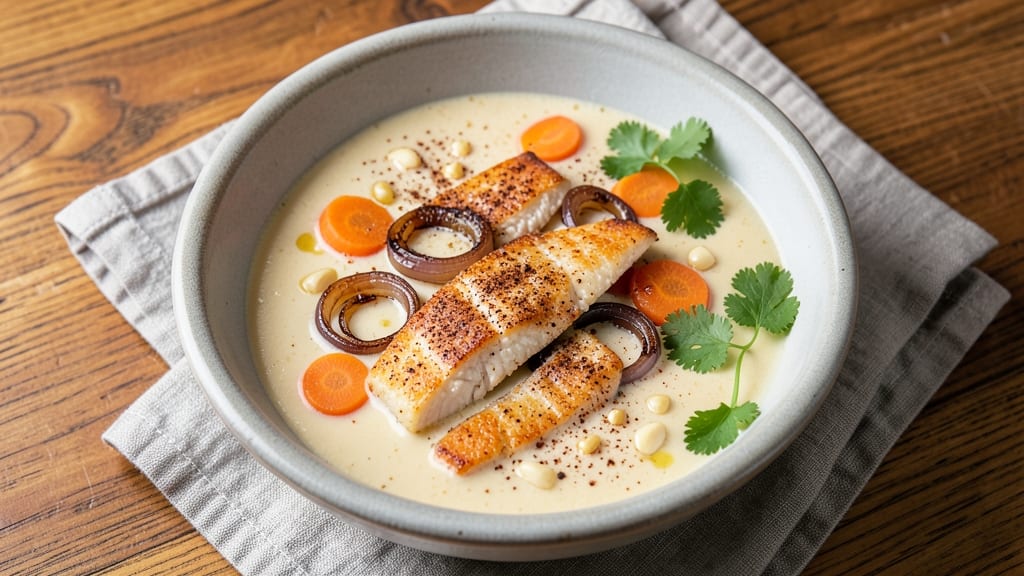
This Philadelphia snapper soup recipe delivers the kind of deep, velvety richness that makes every spoonful worth savoring. The smoky coconut cream base transforms humble snapper into a luxurious, comforting dish that feels both traditional and unexpectedly modern.
I developed this version after years of perfecting the balance between delicate fish flavor and bold, aromatic spices—something that’s surprisingly difficult to nail without overpowering the delicate snapper.
The secret lies in slow-simmered fish stock infused with aromatic vegetables and a touch of smoked paprika, which builds layers of flavor without dominating. Coconut milk adds a velvety texture and subtle sweetness, while fresh herbs at the end brighten the dish just enough to cut through the richness.
This isn’t your average seafood soup—it’s a restaurant-quality bowl that’s surprisingly simple to make at home.
What you’ll end up with is a soup so smooth and satisfying that it disappears from the bowl in minutes. The snapper flakes effortlessly, the coconut cream clings to every spoonful, and the smoky aroma fills your kitchen like a warm embrace.
Perfect for chilly evenings or when you’re craving something comforting yet elegant, this recipe proves seafood can be both nourishing and indulgent.
Whether you’re serving it to guests or treating yourself to a quiet dinner, this soup delivers on both flavor and presentation. The key is patience—letting the soup simmer until every ingredient melds into harmony. Ready to transform snapper into something extraordinary? Let’s get started.
Ingredients for philadelphia snapper soup
The secret to this luxurious soup lies in balancing delicate snapper with aromatic vegetables and smoky coconut cream.
| Ingredient | Amount | Notes |
|---|---|---|
| Fresh Snapper Fillets 🐟 | 1 ½ lb | Skin-on, cut into 2-inch pieces |
| Coconut Milk 🥥 | 1 can | Full-fat, unsweetened preferred |
| Smoked Paprika 🌶️ | 1 tbsp | High-quality for smoky depth |
| Fresh Garlic Cloves 🧄 | 4 cloves | Minced for aromatic base |
| Yellow Onion 🧅 | 1 whole | Diced, medium size |
| Carrots 🥕 | 2 medium | Peeled, sliced into rounds |
| Celery Stalks 🌿 | 2 whole | Diced, fresh for brightness |
| Fresh Thyme Sprigs 🌿 | 2 whole | Leaves only, for aromatic depth |
| Fresh Parsley 🌿 | ¼ cup | Chopped, for finishing |
| Lemon Juice 🍋 | 2 tbsp | Freshly squeezed, brightens flavors |
| Fish Stock 💧 | 3 cups | Homemade or high-quality store-bought |
| Extra-Virgin Olive Oil 🫒 | 2 tbsp | For sautéing vegetables |
| Salt 🧂 | 1 ½ tsp | Diamond Crystal kosher preferred |
| Black Pepper 🌶️ | ½ tsp | Freshly ground for heat |
| Bay Leaves 🌿 | 2 whole | Dried, for subtle depth |
The snapper is the star, so choose fresh, skin-on fillets—they flake beautifully and add texture. Trader Joe's or Whole Foods usually carry the best quality, or ask your fishmonger for snapper with clean, bright flesh and minimal odor. If using frozen, thaw overnight in the fridge. The coconut milk matters too—full-fat, unsweetened brands like Thai Kitchen give the richest texture. Skip the light versions. For the smoked paprika, Penzeys or Goya deliver the most authentic smoky flavor without bitterness. Look for vibrant color and no clumps in the jar.
No fresh thyme? Dried works at one-third the amount, but fresh is ideal here. Running low on fish stock? Clarified vegetable broth with a splash of soy sauce gets you close. The carrots can be baby carrots if that's what's in the fridge, but organic, medium-sized ones hold up better during simmering. For extra richness, stir in 1 tablespoon of unsalted butter at the end. The lemon juice is non-negotiable—it brightens the coconut cream and balances the smokiness. Freshly squeezed is best, but bottled works in a pinch (just add a pinch more salt).
This soup tastes even better the next day—make a double batch if you're serving guests. Keeps 5 days in the fridge, fully sealed. For freezing, portion into airtight containers and thaw overnight in the fridge. The herbs lose potency when frozen, so add fresh parsley when reheating. Store the fish stock separately if freezing the whole soup—it can get watery when thawed. Leftovers reheat beautifully on the stove over medium-low heat, stirring occasionally.
Why You'll Love This Recipe
- One-Pot Magic: I swear by this recipe when I’m too tired to wash a million dishes. Simmer the onion and garlic in a deep pot, add the snapper fillets whole (no chopping!), and let the coconut milk and smoked paprika work their flavor spell while you stir once or twice. That’s it—no straining, no fuss.
- Smoky Creamy Bliss: Between us, the combo of coconut milk and smoked paprika is chef’s kiss. The snapper stays tender, the broth gets this velvety richness, and that smoky kick from the paprika? It turns an ordinary weeknight into a little taste of the Caribbean without trying too hard.
- Leftovers That Shine: This soup actually tastes better the next day—honestly, the flavors meld into something even more comforting. I make a big batch on Sundays, freeze half, and pull it out for lazy Mondays or when unexpected guests show up. (Yes, even on a Tuesday night.)
- Snapper on a Budget: Fresh snapper can be pricey, but this recipe uses just enough fillets to make it feel special without breaking the bank. The coconut milk stretches the flavor, and the onion/garlic base keeps it hearty. My daughter picks out the best pieces, but we still eat it all—no waste, just satisfaction.
Step-by-step instructions for smoky coconut snapper soup
This velvety soup delivers deep smoky flavors and tender snapper in every spoonful.
Sauté the Aromatic Vegetable Base
Heat the 2 tablespoons extra-virgin olive oil in a large soup pot over medium heat. Add the diced yellow onion, sliced carrots, and diced celery stalks, stirring occasionally for 5 minutes until the vegetables soften and begin to release their natural juices. You'll notice the carrots turning translucent and the celery becoming more pliable.
Add the 4 minced fresh garlic cloves and 2 whole fresh thyme sprigs (leaves only), cooking for another 1 minute until the garlic becomes fragrant. This aromatic base forms the flavor foundation of your soup, so don't rush this step. The thyme leaves will infuse their earthy notes without overpowering the delicate snapper flavor.
Build the Smoky Base and Add Liquids
Stir in the 1 tablespoon smoked paprika and cook for 30 seconds until the spices are toasted and aromatic. This quick toast enhances the smoky depth without burning. Immediately add the 3 cups fish stock and bring the mixture to a gentle simmer over medium-low heat. You'll see the vegetables begin to release their flavors into the liquid, creating a fragrant broth.
Add the 2 whole bay leaves and 1.5 teaspoons salt, then let the soup simmer uncovered for 10 minutes. This allows the vegetables to fully cook down while developing their flavors. The bay leaves will add subtle earthy notes that complement the snapper beautifully. Stir occasionally to prevent sticking, but don't over-stir as this can break down the vegetables prematurely.
Incorporate the Coconut Milk and Acid
Reduce the heat to low and stir in the 1 can coconut milk using a whisk or spatula to combine smoothly. The coconut milk will create a luxurious creaminess, but be patient—it needs time to fully integrate with the broth. Add the 2 tablespoons lemon juice and 0.5 teaspoon black pepper, stirring well to distribute the bright citrus and peppery heat throughout.
Let the soup simmer gently for 5 minutes to allow the coconut milk to meld with the other flavors. You'll notice the soup becoming thicker and more velvety as the coconut fat emulsifies with the broth. Taste and adjust seasoning if needed—this is where you can fine-tune the balance between smoky, creamy, and bright flavors. The lemon juice should brighten the dish without overpowering the snapper's natural sweetness.
Add and Cook the Snapper
Gently add the 1.5 lb fresh snapper fillets (cut into 2-inch pieces) to the simmering soup. The snapper should float just below the surface—if it sinks, give it a gentle nudge with a spoon. Simmer for 8-10 minutes until the snapper is just cooked through and flakes easily with a fork. You'll know it's ready when the edges turn opaque and the flesh pulls apart cleanly.
Here's the thing—don't overcook the snapper. It's delicate and will continue cooking slightly as it rests in the hot broth. If you notice the soup boiling vigorously, reduce the heat to low to maintain a gentle simmer. The snapper should be tender but still hold its shape, not falling apart completely.
Finish and Serve with Fresh Herbs
Remove the soup from heat and stir in the 0.25 cup chopped fresh parsley. The parsley adds a fresh, vibrant finish that cuts through the richness of the coconut milk. Let the soup rest for 5 minutes to allow the flavors to fully meld together. This resting period is crucial—it lets the snapper absorb the surrounding flavors and the soup reach its peak consistency.
Before serving, remove and discard the bay leaves and thyme sprigs. Ladle the soup into bowls, ensuring each serving contains a generous portion of snapper. The soup should be velvety with a beautiful smoky hue from the paprika, and the snapper should be tender yet still hold its shape. Garnish with additional parsley if desired, and serve immediately with crusty bread to soak up every last drop of that luxurious broth.
Pro Tips For Making Philadelphia Snapper Soup
- Sear Fish First: Hit the snapper fillets with a quick sear in oil—just 1-2 minutes per side—before adding liquid. This locks in flavor and keeps them from turning rubbery in the coconut milk. (Yes, even if you’re impatient like me, resist the urge to skip this.)
- Blend Garlic Right: Pulse the garlic cloves in the blender with a splash of coconut milk before adding to the soup. This prevents a bitter, chunky texture and lets the garlic melt smoothly into the broth. (I learned this the hard way—burnt garlic ruins everything.)
- Simmer, Don’t Boil: Keep the soup at a gentle simmer (tiny bubbles, not rolling) once the coconut milk is in. Boiling can split the milk, turning your creamy soup into a greasy mess. Lower the heat if it’s too vigorous—patience here makes all the difference.
- Toast the Paprika: Dry-toast the smoked paprika in a dry pan for 30 seconds before adding it to the onions. This deepens its smoky flavor and prevents a raw, bitter taste. (Sounds weird, but it works—trust me.)
Troubleshooting this recipe
Snapper Overcooking
Snapper is delicate and cooks in a flash—8-10 minutes max is all it needs after simmering. I’ve ruined this soup too many times by letting it boil hard, turning the fish rubbery and dry. If your snapper pieces look opaque but still resist flaking, it’s overdone.
The fix? Remove the fish immediately, shred it with a fork, and stir it back into the soup just before serving. This restores some moisture and prevents a mushy texture. 💡
Broth Too Thin?
If your soup ends up watery, the issue is likely under-simmering the vegetables or using too much stock. My go-to fix is to reduce the broth by 50% uncovered on medium-high heat for 10-15 minutes, stirring occasionally.
For extra thickness, whisk in 1 tablespoon cornstarch mixed with 2 tablespoons cold water per cup of soup. Stir in slowly until the soup reaches your desired consistency. Pro tip: A splash of coconut cream also helps bind the broth without altering flavor. ✨
Fish Stock Tasting Bland
Store-bought fish stock often lacks depth, which flattens the soup’s flavor. If yours tastes weak, boost it by adding 1 teaspoon fish sauce (like Red Boat) or ½ teaspoon Old Bay seasoning to the simmering broth.
For homemade stock, simmer fish heads or bones with 1 chopped onion, 2 celery stalks, and 1 bay leaf for 30 minutes before straining. This adds umami richness that store-bought can’t match. 🌶️
Coconut Milk Separating
When coconut milk curdles, it’s usually from too much heat or acidic ingredients added too quickly. To fix it, whisk in 1 tablespoon cold water or ½ cup heavy cream while stirring vigorously.
For prevention, always stir the coconut milk into the warm broth slowly over low heat, and add lemon juice after the milk is fully incorporated. If the soup still looks broken, blend it briefly with an immersion blender—this smooths out the texture instantly. 🥥
Vegetables Too Crunchy
If your carrots and celery retain a bite after simmering, they didn’t cook long enough. The solution? Return the soup to a gentle simmer and cook uncovered for an additional 5-8 minutes, stirring occasionally.
For extra tenderness, add ¼ cup water or stock to help break down the fibers. If you’re short on time, blend the soup briefly—this softens the veggies while keeping the snapper intact. 🥕
Lemon Overpowering
Too much lemon juice can make the soup taste sharp and unbalanced. If this happens, balance it by adding ½ teaspoon sugar or 1 teaspoon honey to round out the acidity. For a deeper fix, stir in 1 tablespoon coconut cream to mellow the brightness.
Always add lemon juice after the coconut milk is fully incorporated to control its impact. Taste as you go—this is where most flavor adjustments happen. 🍋
Nutrition facts
Frequently asked questions
Can I substitute snapper with another white fish?
You can use sea bass, cod, or halibut as direct substitutes. These fish have similar mild, delicate flavors and cook at comparable speeds. Avoid flaky fish like tilapia, as they'll fall apart too quickly in the broth. Adjust cooking time slightly if using thicker fillets.
How do I make this soup vegetarian?
Replace the snapper with firm tofu or mushrooms (like shiitake or portobello) for a meaty texture. Use vegetable stock instead of fish stock and add 1 teaspoon nori flakes or ½ teaspoon seaweed powder to mimic the umami depth. The coconut milk and smoked paprika will still shine through beautifully.
Can I make this soup ahead of time?
This soup actually tastes better the next day! Store it in an airtight container in the fridge for up to 5 days. Reheat gently on the stove over low heat, stirring occasionally. For best texture, add fresh parsley and a splash of coconut milk when reheating. The flavors meld beautifully overnight, making it even more comforting.
What's the best way to serve this soup?
This luxurious soup pairs perfectly with crusty bread, warm naan, or buttered noodles to soak up every last drop. For a complete meal, serve with a side of garlic sautéed greens or a simple mixed salad with a citrus vinaigrette. The smoky coconut flavors work especially well with spicy dishes to balance the richness.
Why does my soup taste too coconutty?
If the coconut flavor dominates, it's likely because the broth wasn't simmered long enough to develop its own depth. Balance it by adding 1 extra tablespoon lemon juice and ½ teaspoon smoked paprika to enhance the smoky notes. For a more subtle coconut flavor, reduce the amount to ½ can and add ½ cup heavy cream instead. Taste as you go!