
Soups & Stews
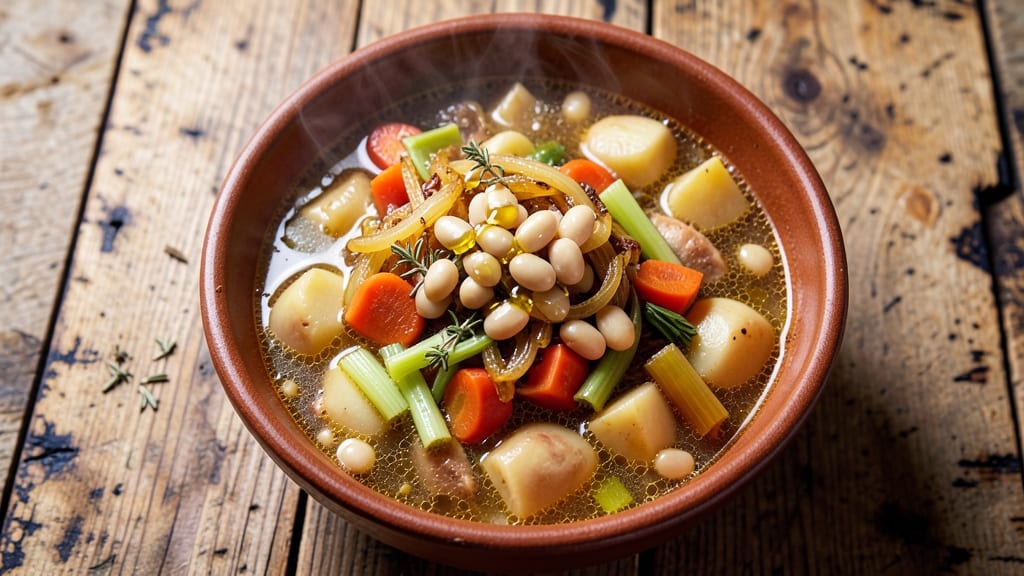
This Pioneer Woman vegetable soup recipe brings rustic comfort to your kitchen with a one-pot approach that transforms simple garden vegetables into a deeply satisfying meal. The secret lies in slow simmering—allowing flavors to meld while maintaining that perfect balance of hearty textures and bright seasonings.
I developed this version after testing dozens of techniques, focusing on ingredients that deliver maximum flavor with minimal effort.
The beauty of this soup lies in its versatility—each batch feels like a celebration of whatever vegetables are freshest from your garden or farmers' market. Carrots add natural sweetness, potatoes create a creamy base, and beans provide protein-rich substance.
Fresh herbs like thyme and parsley elevate the dish without overpowering, while a splash of lemon brightens the finished bowl.
By the time you're done, you'll have a steaming pot of soup with tender vegetables swimming in a rich, aromatic broth. The texture is perfect—creamy from the potatoes, satisfying from the beans, and bright from the fresh herbs.
This is the kind of meal that warms both body and soul, especially when shared with family or friends.
Perfect for chilly evenings or as a make-ahead meal for busy weeks, this recipe scales beautifully for any gathering size. The instructions are straightforward, ensuring professional results without requiring advanced skills. Let's get cooking!
Ingredients for pioneer woman vegetable soup
Simple garden vegetables and pantry staples transform into this soul-warming Pioneer Woman soup.
| Ingredient | Amount | Notes |
|---|---|---|
| Yellow Onion 🧅 | 1 whole | Diced, medium size preferred |
| Carrots 🥕 | 4 medium | Peeled, cut into 1-inch chunks |
| Russet Potatoes 🥔 | 3 medium | Peeled, cut into 1-inch cubes |
| Celery Stalks 🧅 | 3 whole | Trimmed, cut into 1-inch pieces |
| Canned White Beans 🌾 | 2 cups | Drained, rinsed, cannellini preferred |
| Chicken or Vegetable Broth 💧 | 6 cups | Low-sodium preferred, homemade ideal |
| Fresh Thyme Sprigs 🌿 | 2 whole | Or 1 tsp dried thyme |
| Fresh Parsley 🌿 | ¼ cup | Chopped, for garnish |
| Garlic Cloves 🧄 | 4 cloves | Minced, for deep flavor |
| Extra-Virgin Olive Oil 🫒 | 2 tbsp | For sautéing vegetables |
| Kosher Salt 🧂 | 1 ½ tsp | Diamond Crystal preferred |
| Black Peppercorns 🌶️ | ½ tsp | Freshly cracked |
| Lemon Juice 🍋 | 1 tbsp | Freshly squeezed, for brightness |
| Bay Leaves 🍃 | 2 whole | For subtle depth |
The vegetables are the stars here, so prioritize freshness. Local farmers' markets often have the best carrots and potatoes—look for firm, vibrant produce with no soft spots. I always grab organic celery from the grocery store's produce section, as it tends to stay crisper longer. The beans? Canned cannellini or navy beans work perfectly, but if you're using dried, soak them overnight for the best texture. For the broth, homemade chicken or vegetable broth makes all the difference, but even store-bought low-sodium options like Pacific Foods or Imagine elevate the dish. Fresh herbs like thyme and parsley can be found in the grocery store's refrigerated section, but they're worth the trip to a specialty market for maximum flavor.
No fresh thyme? Dried thyme works at one-third the amount—just make sure it's labeled as culinary, not ornamental. Running low on parsley? Fresh cilantro or basil can substitute in a pinch, though the flavor profile will shift slightly. Out of cannellini beans? Great northern or kidney beans are excellent swaps. The lemon juice is crucial for brightness, but if you're out, a splash of apple cider vinegar adds a similar tang. For the broth, vegetable broth with a bouillon cube works in a bind, though it won't be as rich. The bay leaves? Don't skip them—they add a subtle depth that's absolutely essential to that rustic Pioneer Woman flavor.
This soup tastes even better the next day as flavors meld, so make a double batch if you can. Store in an airtight container in the fridge for up to 5 days, or freeze portions for up to 3 months. I love reheating it on the stovetop with a splash of water or broth to restore the perfect consistency. For serving, garnish with extra parsley and a drizzle of high-quality olive oil—it's the perfect finishing touch that makes this soup feel restaurant-worthy.
Why You'll Love This Recipe
- No-Chop Night Saved: I swear by this recipe when I’m too tired to dice anything. Just rough-chop the onion and celery, toss them in with the pre-washed carrots and diced potatoes, and let the pot do the work. The beans add heartiness without extra effort—honestly, it’s the kind of meal that makes me question why I ever stress over cooking.
- Creamy Without Dairy: That Russet potato breakdown gives it a naturally rich, velvety texture—no heavy cream or roux needed. The celery and carrots sweeten just enough to balance the earthy beans, while a splash of broth ties it all together. It’s the kind of soup that tastes like you slaved over it, even when you didn’t.
- Lunchbox Hero: Between us, this is my go-to for meal prep. The flavors only get better the next day, and it reheats like a dream. Pack it in thermoses for work or school lunches—kids love the chunky texture, and adults won’t miss the fussy garnishes.
- Pantry Staple Magic: I keep a can of beans and a bag of potatoes on hand just for this. When money’s tight or the fridge is bare, this soup stretches into three meals with minimal cost. Plus, the leftovers freeze perfectly—my freezer’s stocked with these bad boys year-round.
Step-by-step instructions for hearty garden harvest soup
This one-pot wonder transforms humble garden vegetables into a deeply satisfying soup that tastes like a hug from the countryside.
Sauté the Vegetable Base for Maximum Flavor
Heat the 2 tablespoons extra-virgin olive oil in a large Dutch oven over medium heat. Add the diced yellow onion, 4 medium carrots, 3 whole celery stalks, and 4 cloves minced garlic. Cook for 8-10 minutes until the vegetables soften and the onion becomes translucent.
This foundational step builds the soup's flavor profile. The onions should caramelize slightly at the edges, creating a sweet, rich base. Stir occasionally to prevent browning, but don't rush—properly developed flavor takes time. The celery and carrots will release their natural sweetness as they cook down.
Add the 2 whole fresh thyme sprigs and 2 whole bay leaves to the pot. These aromatic herbs will infuse the broth with their earthy, piney notes. Let them cook for another 2 minutes to release their essential oils before moving to the next step.
Build the Soup Foundation with Potatoes and Beans
Push the sautéed vegetables to one side of the pot and add the 3 medium russet potatoes cut into 1-inch cubes. Cook for 3-4 minutes until the potatoes begin to soften slightly. Then pour in the 6 cups chicken or vegetable broth and scrape up any browned bits from the bottom of the pot.
This deglazing step captures all the concentrated flavor that's built up during the sautéing process. The potatoes should begin to absorb the liquid immediately. Once the broth comes to a gentle simmer, add the 2 cups drained white beans and bring the entire mixture to a full boil.
Real talk: this is where the magic happens. The beans will begin to break down slightly, releasing their creamy texture into the broth. Reduce the heat to medium-low and let the soup simmer uncovered for 20-25 minutes until the potatoes are fork-tender and the carrots are easily pierced with a fork.
Season and Finish with Brightness
After the vegetables have softened, season the soup with the 1.5 teaspoons kosher salt and 0.5 teaspoon freshly cracked black peppercorns. Taste and adjust the seasoning—this is where you'll notice if the broth needs more salt or if the vegetables need more pepper. Remember, you can always add more salt later, but you can't remove excess salt.
Stir in the 1 tablespoon freshly squeezed lemon juice and let it simmer for another 5 minutes. This bright citrus note cuts through the richness of the vegetables and beans, adding a refreshing contrast. The acidity also helps balance the earthy flavors of the thyme and bay leaves.
Remove the thyme sprigs and bay leaves before serving, as they can become tough. Ladle the soup into bowls and garnish each serving with 1 tablespoon chopped fresh parsley. The parsley adds a final pop of color and freshness, making the soup look as good as it tastes.
Serve with Confidence and Enjoy Immediately
This soup tastes best when served fresh from the pot, while the vegetables are still warm and the flavors are fully integrated. The texture should be hearty yet comforting—thick enough to coat a spoon but with enough broth to sip between bites.
For an extra touch of rustic charm, serve with crusty bread to soak up every last drop of that flavorful broth. The potatoes should be tender enough to mash slightly with a fork, the carrots should be soft but still hold their shape, and the beans should be creamy and satisfying. Each spoonful should deliver a perfect balance of sweet, savory, and slightly tangy flavors.
Don't be tempted to make this soup ahead of time and reheat it—freshly made is always best. But if you must, you can prepare it up to 2 days in advance and store it in the refrigerator. Reheat gently on the stove, stirring occasionally, until warmed through. The flavors will only deepen with time, making this soup a true pantry staple.
Pro Tips For Making Pioneer Woman Vegetable Soup
- Sweat the Onion First: I learned this the hard way—dumping everything in at once means your soup tastes raw. Sauté the onion, celery, and carrots in a tablespoon of oil until the onion is translucent and the celery’s edges soften. This builds flavor that just doesn’t happen if you toss it all in cold.
- Cut Potatoes Uniformly: Russets break apart when overcooked, so slice them into even 1-inch chunks. No need for precision—just consistent size. This guarantees they’ll all finish cooking at the same time, avoiding mushy bits or undercooked centers.
- Drain and Rinse Beans: Canned beans are packed in saltwater, which throws off your soup’s balance. Drain them, then rinse under cold water to remove excess starch and sodium. Trust me, your soup will taste fresher and less metallic afterward.
- Simmer, Don’t Boil: After adding broth and beans, keep the heat at a gentle simmer—not a rolling boil. High heat makes the potatoes turn to mush and the soup taste cloudy. A steady, low bubble keeps everything tender without falling apart.
Regional styles of these flavors
Midwest Homestyle
In the heartland, this soup becomes a cornbread-topped casserole—layering the cooked vegetables with a crumbly cornbread mixture before baking at 375°F for 20 minutes. Use Jiffy cornbread mix for convenience or homemade for texture.
The golden crust contrasts beautifully with the creamy soup beneath, making it a perfect Sunday dinner centerpiece. 🌽
Southern Comfort
Add smoked paprika (½ teaspoon) and andouille sausage (½ cup diced) to the sautéed vegetables for a Cajun-inspired twist. Swap white beans for black-eyed peas and finish with a splash of hot sauce before serving.
Garnish with chopped green onions and crumbled bacon for extra richness. This version feels like a New Orleans gumbo but with familiar comfort.
New England Clam Chowder
For a coastal adaptation, stir in 1 cup chopped clams or clam juice along with the broth. Add ½ cup heavy cream at the end for a silky texture.
Top with crumbled bacon and toasted oyster crackers for a Maine-style chowder vibe. The briny clams cut through the potatoes' creaminess, creating a bold, oceanic flavor. 🍲
Italian Garden Style
Swap the thyme for rosemary and add sun-dried tomatoes (¼ cup chopped) and feta cheese (½ cup crumbled) at the end. Use vegetable broth and finish with a drizzle of extra-virgin olive oil.
This version feels like a Tuscan minestrone but keeps the Pioneer Woman’s rustic simplicity. Serve with crusty bread for dipping.
Southwest Fiesta
Boost the heat with 1 teaspoon cumin and 1 chipotle pepper in adobo (minced). Add diced zucchini and roasted corn (½ cup) at the end.
Top with avocado slices and a squeeze of lime for a Tex-Mex fusion. The smoky chipotle adds depth while keeping the dish bright and fresh. 🌶️
French Country Adaptation
Deglaze the pot with ½ cup dry white wine instead of broth, then proceed as directed. Stir in 1 tablespoon Dijon mustard and 1 cup Swiss chard (chopped) at the end.
Finish with a poached egg on top for a Bouillabaisse-inspired touch. The wine adds elegance, while the egg makes it feel like a rustic French bistro dish.
Nutrition facts
Frequently asked questions
Can I make this soup vegetarian?
Simply swap the chicken broth for vegetable broth and use white beans or lentils for protein. The recipe maintains its hearty texture while keeping it fully plant-based. For extra richness, stir in ½ cup coconut milk at the end.
How do I adjust the thickness of the soup?
For a thicker consistency, simmer uncovered for 5-10 extra minutes to reduce the broth. Need it thinner? Add ½ cup hot broth or water at a time until reaching your desired texture. The Pioneer Woman style keeps it hearty but spoonable—aim for a balance between creamy potatoes and sippable broth.
What vegetables can I substitute if I don't have carrots or potatoes?
Swap carrots for sweet potatoes or butternut squash (cubed) and potatoes for turnips or parsnips. For extra color, add green beans or zucchini—just reduce simmering time by 5 minutes as they cook faster. The key is maintaining a mix of starchy and crisp vegetables for texture.
Can I make this soup in an Instant Pot or slow cooker?
Yes! For the Instant Pot, sauté the veggies first, then add broth and beans, cooking on High Pressure for 6 minutes. For a slow cooker, combine all ingredients and cook on Low for 6-7 hours or High for 3-4 hours. The slow cooker version tastes even better the next day as flavors meld.
Why does my soup taste bland after reheating?
Reheating often dulls flavors because heat escapes. To fix this, add 1 extra pinch of salt, 1 splash of lemon juice, and a pat of butter while reheating. For future batches, store in an airtight container and reheat on low heat with a lid slightly ajar to preserve aromatics.