Beverages
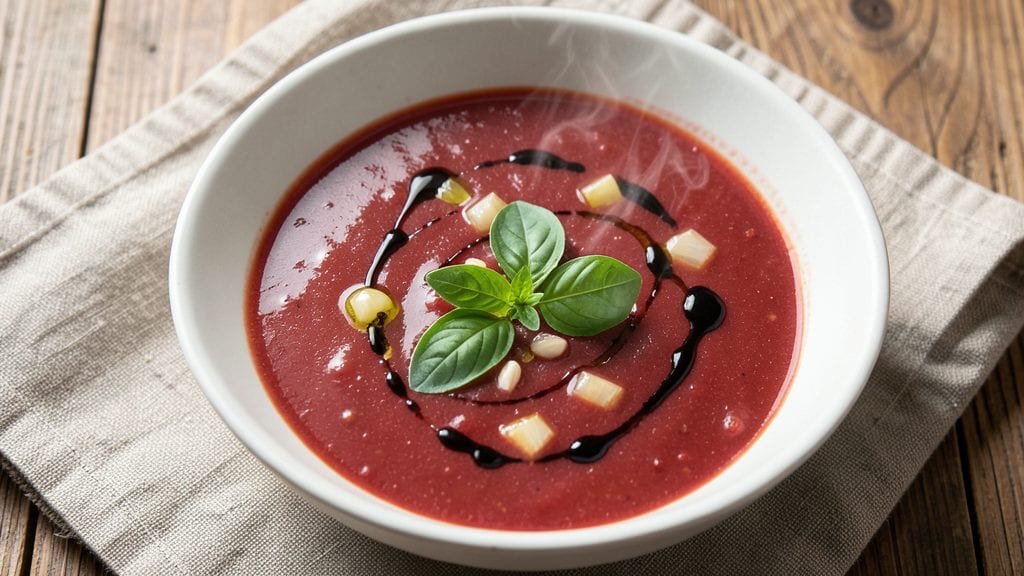
Creating a rich tomato soup using tomato juice delivers velvety depth without heavy cream, and this recipe proves it’s possible with just a few key techniques. The secret lies in balancing acidity and sweetness while letting the flavors meld slowly—something I perfected after years of experimenting with homemade sauces.
What sets this apart is how the tomato juice forms a smooth base that doesn’t overpower, while aromatic herbs and a touch of sweetness elevate every spoonful.
This method transforms simple ingredients into a restaurant-quality soup that’s foolproof and ready in under 45 minutes. The process starts with sautéing onions and garlic until fragrant, then building layers of flavor with tomato juice, broth, and spices.
A splash of balsamic vinegar and a pinch of sugar at the end ensures the acidity is balanced, while fresh basil adds brightness that makes it taste homemade.
By the time you’re done, you’ll have a soup that’s silky smooth, with a depth of flavor that rivals creamy versions but without the heaviness. The aroma alone will have everyone gathering around the table, and the texture—neither too thin nor too thick—is just right for dipping crusty bread.
This is comfort food at its finest, made even better by knowing how to get it just right.
Perfect for chilly evenings or as a starter for dinner parties, this soup keeps well in the fridge for up to 5 days, making it ideal for meal prep. Garnish with a drizzle of olive oil, extra basil, or a sprinkle of parmesan for added richness. Let’s get cooking!
Ingredients for tomato soup recipe using tomato juice
Simple ingredients that build restaurant-quality depth—no heavy cream needed.
| Ingredient | Amount | Notes |
|---|---|---|
| Yellow Onion 🧅 | 1 whole | Diced finely for even cooking |
| Garlic Cloves 🧄 | 4 cloves | Minced for aromatic depth |
| Extra-Virgin Olive Oil 🫒 | ¼ cup | High-quality for flavor base |
| Tomato Juice 🍅 | 3 cups | Low-sodium preferred for balance |
| Vegetable Broth 💧 | 2 cups | Low-sodium for flavor control |
| Balsamic Vinegar 🍷 | 1 tbsp | For acidity balance |
| Granulated Sugar 🍚 | 1 tsp | Balances acidity naturally |
| Fresh Basil Leaves 🌿 | ¼ cup | Chopped for bright finish |
| Salt 🧂 | 1 tsp | Kosher or sea salt |
| Black Pepper 🌶️ | ½ tsp | Freshly ground for warmth |
| Dried Thyme 🌿 | ½ tsp | Or 1 tsp fresh thyme |
| Parmesan Cheese 🧀 | ¼ cup | Freshly grated for garnish |
| Crusty Bread 🍞 | 4 slices | For serving and dipping |
The tomato juice is the soul of this soup. Muir Glen San Marzano or V8 are my go-tos—they’re rich but not overly sweet. For the broth, Pacific Foods low-sodium is a pantry staple, but any quality vegetable broth works. Fresh basil is non-negotiable here; the grocery store’s plastic-wrapped kind is fine, but farmers market basil makes all the difference. The onions and garlic should sweat until translucent—this is where the foundation of flavor develops. Don’t rush it. For the olive oil, California Avocado or Bertolli are reliable choices that won’t overpower the dish.
No balsamic vinegar? Red wine vinegar at half the amount works in a pinch, though the depth won’t be identical. Short on fresh basil? Dried basil at one-third the amount gets you close, but you’ll miss that bright, fresh finish. The sugar might seem odd, but it’s essential—it rounds out the acidity from the vinegar and tomato juice. If you’re avoiding sugar entirely, a pinch of honey or maple syrup can substitute. For a smokier profile, swap dried thyme for smoked paprika at half the amount. And if you’re making this ahead, the flavors actually improve overnight—just reheat gently.
This soup reheats beautifully—simmer on low heat for 5-7 minutes to avoid breaking down the texture. Store in an airtight container for up to 5 days, though I find it tastes best within the first 2 days. For meal prep, double the batch and freeze portions in 1-cup containers. When serving, always garnish with extra basil, a drizzle of olive oil, and freshly grated Parmesan—that’s where the restaurant magic happens. The crusty bread? Sourdough or a good baguette cuts through the richness perfectly.
Why You'll Love This Recipe
- Pantry Powerhouse: I swear by this recipe when I’ve got nothing but a can of tomato juice and a few basics. No fresh tomatoes needed—just onion, garlic, and broth to build that rich, savory base. Honestly, it’s the kind of soup that makes me feel like I’m cooking fancy, even when I’m not.
- Garlic-Glazed Goodness: That moment when you sauté the garlic in olive oil until it’s golden? Chef’s kiss. The onion caramelizes just enough to mellow out the sharpness, while the tomato juice keeps it bright and tangy—not too sweet, not too heavy. It’s the kind of flavor that lingers, making every spoonful feel intentional.
- Weeknight & Meal Prep: Between us, this is my go-to for busy nights or when I need to prep ahead. The broth keeps it light, so it reheats beautifully—no weird textures or sad flavors. I’ll make a big batch on Sunday, and by Wednesday, I’m still pulling jars out of the fridge like it’s fresh. (Yes, even on a Tuesday night.)
- Budget-Friendly Staple: Tomato juice is cheap, and the rest of the ingredients? Basic. No specialty items, no markup—just good, honest food that won’t break the bank. I’ll be real: my grocery bill stays low, but my kitchen never feels boring. Plus, the leftovers? They’re the kind of soup that turns into next-day sandwiches or a quick pasta fix.
Step-by-step instructions for tomato soup using tomato juice
Here's how to create a rich, velvety tomato soup without heavy cream.
Sauté the Aromatics Until Fragrant
Heat the 0.25 cup extra-virgin olive oil in a medium saucepan over medium heat. Add the 1 whole yellow onion, diced finely, and cook for 5-6 minutes until softened and translucent. This ensures even cooking without browning.
Add the 4 cloves garlic cloves, minced, along with the 0.5 teaspoon dried thyme and 0.5 teaspoon black pepper. Stir for 1 minute until the garlic becomes fragrant but doesn't brown. This step builds the foundation for the soup's depth of flavor. If the garlic starts to darken too quickly, reduce the heat slightly to prevent bitterness.
Build the Base with Tomato Juice and Broth
Pour in the 3 cups tomato juice and 2 cups vegetable broth. Stir well to combine, scraping any browned bits from the bottom of the pan—these contain concentrated flavor. Bring the mixture to a gentle boil over medium-high heat, then reduce the heat to medium-low and let it simmer for 10-12 minutes. This allows the flavors to meld and the liquid to reduce slightly, intensifying the tomato taste.
After simmering, taste the soup and adjust the seasoning with the 1 teaspoon salt and 1 teaspoon granulated sugar. The sugar balances the acidity of the tomato juice, while the salt enhances all the flavors. If the soup tastes too acidic, you can add a splash more broth to dilute it slightly.
Add Acid and Sweetness for Balance
Stir in the 1 tablespoon balsamic vinegar and simmer for an additional 3-4 minutes. The vinegar adds a subtle tang that brightens the soup and cuts through the richness of the tomato. If you prefer a smoother finish, you can strain the soup at this point to remove any bits of onion or garlic, though I prefer to leave them in for added texture.
Remove the pan from heat and stir in the 0.25 cup fresh basil leaves, chopped. Let the basil steep in the hot soup for 5 minutes to infuse its fresh, bright flavor. This step is crucial for adding a final layer of freshness that balances the richness of the tomato.
Serve with Crusty Bread and Parmesan
Ladle the soup into bowls and garnish each serving with a sprinkle of 0.25 cup freshly grated Parmesan cheese. Serve immediately with the 4 slices crusty bread on the side for dipping. The bread helps soak up the velvety soup, while the Parmesan adds a salty, umami finish that complements the tomato flavors.
For an extra touch, drizzle a little more balsamic vinegar or a swirl of olive oil over the top just before serving. This soup is best enjoyed warm, so don't let it sit too long after making it—every spoonful should be rich, balanced, and full of layered flavor.
Pro Tips For Making Tomato Soup Recipe Using Tomato Juice
- Sweat the Onion Low: I used to rush this step and end up with bitter, charred onion. Instead, keep the heat at a gentle simmer—just enough to make it translucent, not golden. A damp paper towel over the pot helps if your kitchen runs hot.
- Crush the Garlic: Skip the mincer unless you’re in a hurry. Smash whole cloves with the flat side of your knife first—they’ll release flavor more evenly into the oil. This isn’t just about aroma; it’s about avoiding that cloying garlic aftertaste.
- Simmer, Don’t Boil: Once you add broth and tomato juice, resist the urge to crank the heat. A steady simmer (small bubbles, occasional swirls) keeps the soup from turning mealy. I learned this after one disastrous batch where the texture was like mush.
- Salt the Broth First: Season the vegetable broth before combining it with tomato juice—it’s the base, after all. Adjusting salt later is a guessing game. If you’re using low-sodium broth, add a pinch of salt directly to the pot early.
Creative variations of these flavors
Smoky BBQ Twist
For a soulful, smoky depth, swap the balsamic vinegar for 2 tablespoons of BBQ sauce—I love Sweet Baby Ray's Original—and add ½ teaspoon smoked paprika to the aromatics. Simmer the tomato juice and broth with ½ cup chicken broth instead of vegetable to enhance the smoky profile.
Top with crumbled bacon and a sprinkle of chopped cilantro for a Texas-inspired bowl that feels like a hug in a bowl. 🔥
Creamy Without Dairy
Want richness without cream? Blend ½ cup silken tofu with ½ cup vegetable broth until smooth, then stir it into the simmering soup. For extra depth, add 1 teaspoon nutritional yeast—it adds a cheesy, umami kick.
Garnish with toasted pumpkin seeds for crunch. This version is vegan-friendly but still velvety. I first tried this after a foraging trip where I realized how much flavor wild herbs could add to plant-based dishes. 🌱
Spicy Thai-Inspired
Transform this soup into a Thai-inspired curry by adding 1 tablespoon red curry paste (like Maesri) with the aromatics. Stir in 1 cup coconut milk after simmering the tomato juice and broth, then finish with 1 teaspoon fish sauce and 1 lime wedge per serving.
Top with thinly sliced scallions and crushed peanuts for texture. The heat from the curry paste cuts through the tomato’s acidity beautifully. 🌶️
Herb-Infused Roasted Garlic
Roast 2 whole garlic bulbs (halved) in 375°F oven for 30 minutes until caramelized. Blend the cloves into a paste and sauté with the onions for 3 extra minutes to deepen the flavor.
Add 1 teaspoon dried rosemary with the thyme for an earthy twist. This version tastes like a cozy autumn evening—perfect for when I’m riding my motorcycle back from coastal foraging trips. 🌿
Hearty Mushroom Addition
Sauté 8 oz sliced cremini mushrooms with the onions until golden. Deglaze the pan with 1 tablespoon white wine (or extra broth) before adding the tomato juice. The mushrooms add a meaty texture that pairs perfectly with the tomato’s tang.
Finish with thyme sprigs for garnish. This version feels hearty enough for a main course, especially with a side of crusty bread. 🍄
Sweet Potato Swap
Add 1 cup diced sweet potato with the onions. Simmer until tender (8-10 minutes extra), then blend ½ of the soup for a thicker, naturally sweetened version. Stir the blended portion back in and top with toasted pecans and a drizzle of maple syrup.
The sweetness balances the tomato’s acidity beautifully—ideal for a dessert-like starter. 🍠
Nutrition facts
Frequently asked questions
Can I use canned tomatoes instead of tomato juice for this recipe?
The recipe is specifically designed for tomato juice to create that velvety texture without cream. If you must substitute, blend 1 (28 oz) can crushed tomatoes until smooth and strain to remove skins. You'll need about 2 cups of this blended tomato puree to replace the juice. The flavor will be slightly thicker but still delicious!
How do I adjust the thickness of this tomato soup?
Start with the recipe as written for a perfect medium consistency. For a thinner version, add ½ cup extra broth at the end. For a thicker, almost stew-like texture, simmer uncovered for 5-7 extra minutes to reduce the liquid. If it gets too thick, stir in 1-2 tablespoons broth to reach your desired consistency.
What's the best way to store leftovers?
Transfer to an airtight container and refrigerate for up to 5 days. The flavors actually improve overnight! When reheating, warm gently on the stove over low heat for 5-7 minutes—never microwave directly as it can make the soup watery. For freezing, portion into 1-cup containers and freeze for up to 3 months.
Can I make this soup in a slow cooker?
Sauté the onions and garlic first, then transfer everything to your slow cooker. Cook on low for 4-5 hours or high for 2-3 hours. The slow cooking enhances the flavors beautifully. Just add the fresh basil at the very end before serving to preserve its bright flavor.
Why does my tomato soup taste too acidic?
This happens when the tomato juice's natural acidity isn't balanced. The recipe includes sugar and balsamic vinegar to counteract this. If yours tastes too sharp, stir in ½ teaspoon more sugar or 1 tablespoon extra broth. For a quick fix, add a pinch of baking soda (⅛ teaspoon)—it neutralizes acidity instantly, but use sparingly as too much can make the soup taste flat.