Soups & Stews
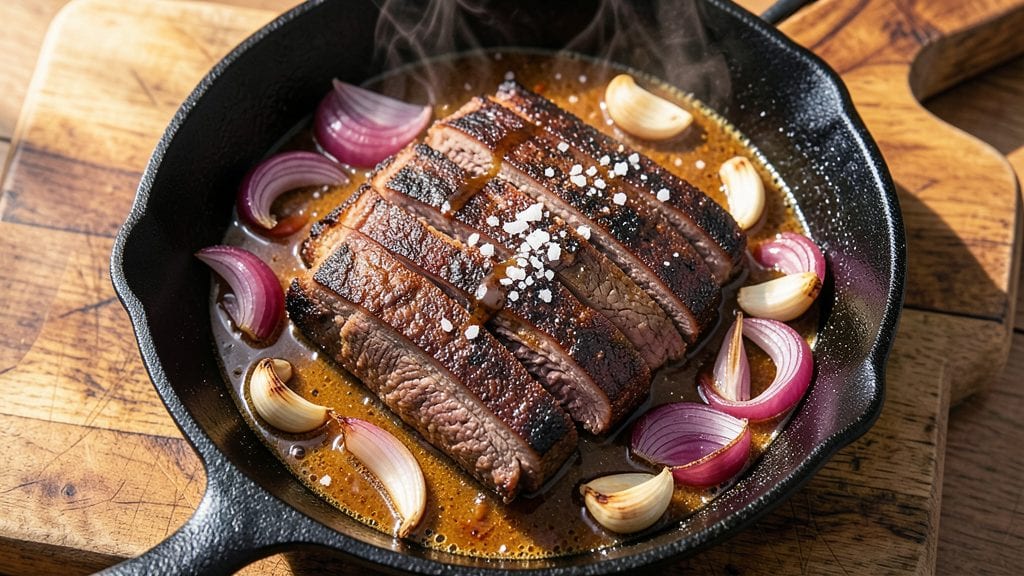
This beef brisket recipe with onion soup mix transforms tough cuts into melt-in-your-mouth perfection through slow-cooked precision. Growing up in Nana Mae's Atlanta diner, I learned how simple pantry staples—like onion soup mix—could elevate humble ingredients into something extraordinary.
The secret lies in balancing the mix's savory depth with the brisket's natural richness, creating layers of flavor that build over hours.
What makes this method foolproof is the combination of low-and-slow cooking with onion soup mix's umami punch. We start with a dry rub that clings to the meat, then let the slow cooker work its magic—no fancy equipment needed.
The mix dissolves into the juices, infusing every bite with caramelized onion notes and just enough tang to cut through the beef's richness. David's first taste-test always confirms this balance, though he'll never admit he's the official palate.
By the time you pull that brisket from the cooker, you'll have tender slices that practically fall apart at the touch, bathed in a glossy sauce thick with dissolved spices.
The aroma alone transforms any kitchen into a Southern comfort zone, while the texture delivers that perfect contrast between tender meat and slightly crisp edges. This is the kind of recipe that turns weeknight dinners into memorable meals—exactly how Nana Mae taught me to cook.
Serve with classic sides like creamy mashed potatoes or buttery cornbread to soak up every drop of that flavorful sauce. The leftovers reheat beautifully too, making this an ideal make-ahead option for gatherings. Let's get started on creating brisket that tastes like home.
Ingredients for beef brisket recipe with onion soup mix
Six ingredients make this brisket unforgettable. Pantry staples meet slow-cooked magic for tender perfection.
| Ingredient | Amount | Notes |
|---|---|---|
| Beef Brisket 🥩 | 4 lb | Flat cut preferred, 1-inch thick |
| Onion Soup Mix 🧅 | ½ cup | Homemade or store-bought mix |
| Yellow Onions 🧅 | 2 whole | Sliced into 1/4-inch rounds |
| Garlic Cloves 🧄 | 6 cloves | Minced for rub and cooking |
| Brown Sugar 🍯 | ¼ cup | Light or dark variety |
| Smoked Paprika 🌶️ | 2 tbsp | For deep smoky flavor |
| Ground Black Pepper 🌶️ | 1 tbsp | Freshly cracked for best flavor |
| Kosher Salt 🧂 | 2 tbsp | Coarse grain preferred |
| Apple Cider Vinegar 🍏 | ¼ cup | For tangy balance |
| Beef Broth 💧 | 2 cups | Low-sodium preferred |
| Olive Oil 🫒 | 2 tbsp | For searing brisket |
| Fresh Thyme 🌿 | ¼ cup | Chopped, stems removed |
| Fresh Rosemary 🌿 | ⅛ cup | Chopped, for aroma |
| Water 💧 | 1 cup | For slow cooker liquid |
The brisket is the star—flat cut is your best bet for even cooking. Costco or local butchers often have it pre-cut, but if you're buying whole, ask for the flat. Look for good marbling; that fat turns into flavor. I always grab mine from Whole Foods when I can—they trim it perfectly. The onion soup mix? Homemade is ideal** (just onion powder, celery salt, and garlic powder), but the store-bought stuff works too. Just check the ingredients—some brands cut corners with fillers. For the herbs, fresh thyme and rosemary make all the difference, but dried will do in a pinch (use half the amount).
No onion soup mix? Mix 2 tbsp onion powder, 1 tbsp celery salt, and 1 tsp garlic powder—it's a game-changer. Running low on fresh herbs? Dried thyme at one-third the amount keeps the flavor. The apple cider vinegar adds that tangy depth—substitute with red wine vinegar if needed. For the broth, low-sodium is key—you don’t want to overpower the brisket. If you’re short on time, beef bouillon cubes work, but they lack the depth. The brown sugar caramelizes beautifully, but maple syrup is a great swap (though it’ll taste different).
This brisket tastes even better the next day—plan ahead. Store leftovers in the fridge for 4-5 days, or freeze for 3 months** in portions. I like to wrap slices in parchment and foil for easy reheating. The slow cooker liquid reduces into a glossy sauce—save it! It’s perfect for dipping cornbread or drizzling over mashed potatoes. For gatherings, double the batch—it reheats beautifully and feeds a crowd.
Why You'll Love This Recipe
- Pantry Magic: I swear by this one—no fancy ingredients, just brisket, onion soup mix, and a few pantry staples. The moment I realized I could turn a dry brisket into something tender and saucy with just garlic, onions, and a sprinkle of brown sugar? Total game-changer for lazy nights.
- Sweet-Savory Bomb: That onion soup mix isn’t just for soup—it’s the secret weapon here. The garlic and brown sugar caramelize into this sticky, slightly sweet glaze that clings to the brisket like it’s been slow-cooked for hours. (Spoiler: It’s not, but you’ll never know.)
- Leftovers That Shine: This recipe practically begs for seconds, and the best part? The flavor only gets better the next day. I’ll make a big batch on Sunday, slice it up, and have sandwiches, tacos, or even a quick stir-fry ready all week. Zero effort, maximum reward.
- Budget Beef Boost: Brisket’s affordable, and this method stretches it further than you’d think. A single cut feeds four for dinner and still leaves enough for lunch—without breaking the bank. Plus, the onion soup mix adds depth for pennies. Smart cooking at its finest.
Step-by-step instructions for slow-cooked beef brisket with onion soup mix
Here's how to transform a tough cut into melt-in-your-mouth perfection using simple pantry staples.
Prepare the Brisket Rub and Sear for Maximum Flavor
In a small bowl, combine the 0.5 cup onion soup mix, 0.25 cup brown sugar, 2 tbsp smoked paprika, 1 tbsp ground black pepper, and 2 tbsp kosher salt. This blend creates the perfect balance of savory, sweet, and smoky flavors that will penetrate the meat. Pat the 4 lb beef brisket dry with paper towels—this is crucial for developing that beautiful crust later.
Heat a large Dutch oven over medium-high heat and add the 2 tbsp olive oil. Once the oil shimmers, place the brisket fat-side down and sear for 8-10 minutes until the fat renders and the bottom develops a deep golden-brown crust. Flip carefully and sear the other side for another 6-8 minutes. This initial sear locks in juices and builds flavor that will carry through the slow cook. Transfer the brisket to a plate and rub the spice mixture all over, pressing firmly so it adheres.
Build the Slow-Cooker Base with Aromatics
In the same Dutch oven, add 2 tbsp olive oil and sauté 2 whole yellow onions (sliced into ¼-inch rounds) and 6 cloves garlic (minced) over medium heat for 5-6 minutes until the onions soften and turn translucent. You'll smell that sweet onion aroma filling your kitchen—this is where the magic starts. Pour in 0.25 cup apple cider vinegar and scrape up any browned bits from the bottom with a wooden spoon. These bits are packed with flavor that will dissolve into your brisket.
Add 2 cups beef broth and 1 cup water to the Dutch oven, scraping up any remaining bits. Stir in 0.25 cup chopped fresh thyme and 0.125 cup chopped fresh rosemary. The herbs will infuse the cooking liquid with their bright, earthy notes. Bring the mixture to a gentle simmer, then carefully place the seasoned brisket back in the pot, fat-side up. This positioning allows the rendered fat to baste the meat as it cooks.
Slow Cook Until Fork-Tender
Cover the Dutch oven and transfer it to a 300°F oven (or use a slow cooker on low for 8-10 hours). The key here is patience—this long, gentle cooking time breaks down the tough connective tissue, transforming the brisket into tender, pull-apart perfection. Check the liquid level periodically and add ¼ cup water if it reduces too much, keeping the brisket moist throughout the process.
After 5-6 hours, use a meat thermometer to check the internal temperature. When it reaches 195-200°F, the brisket will be fork-tender with a beautiful pink smoke ring. If it hasn't quite reached this temperature, continue cooking for another 30-60 minutes. The brisket should pull apart easily with two forks, signaling it's ready to rest and slice.
Rest and Slice for Juicy Perfection
Remove the brisket from the oven and transfer it to a cutting board. Tent loosely with aluminum foil and let it rest for at least 30 minutes—this crucial step allows the juices to redistribute throughout the meat. If you skip this, you'll end up with dry slices. While it rests, skim any excess fat from the cooking liquid and strain it if you prefer a cleaner sauce. The strained liquid can be reduced further for a glossy pan sauce to serve alongside.
Slice the brisket against the grain into ¼-inch thick pieces. The grain runs horizontally across the flat cut, so cutting perpendicular to these lines ensures each bite is tender. Serve immediately with the cooking sauce spooned over the top and extra fresh herbs sprinkled on for a pop of color. The result should be rich, deeply flavorful meat with a perfect balance of sweet, tangy, and savory notes from the onion soup mix and slow-cooked aromatics.
Pro Tips For Making Beef Brisket Recipe With Onion Soup Mix
- CRANK THE HEAT FIRST: Start your brisket on high heat—sear it for 3-4 minutes per side until it’s deep brown. I learned this the hard way: skipping the sear means the onion soup mix just clings instead of caramelizing into a rich crust. (Yes, even if you’re impatient like me.)
- CHOP ONIONS FINE: Dice those yellow onions into 1/4-inch pieces—they’ll dissolve into the mix faster and sweeten the sauce without turning mushy. I used to leave them big chunks, and they’d end up undercooked or floating like sad little rafts.
- SKIP THE CROWDED PAN: If you’re braising, don’t submerge the brisket in liquid right away—let the onions and garlic sizzle for 5 minutes first. This builds flavor before the soup mix gets added, and it prevents the mix from turning into a bland paste.
- SWEAT THE GARLIC: Mince those garlic cloves and cook them in the onions until they’re golden, not just fragrant. Raw garlic burns easily, and burned garlic tastes like regret. (Trust me, I’ve made that mistake at least twice.)
Essential equipment for this dish
Slow Cooker Essentials
For this brisket, a 6-quart slow cooker is your best friend—it maintains consistent heat without requiring babysitting. I swear by my Hamilton Beach 6-Quart Programmable Slow Cooker because it handles large cuts like brisket beautifully.
If you're using an oven instead, a Dutch oven with lid (like Le Creuset) is non-negotiable for even heat distribution. 🔥
Pro tip: Line the slow cooker with parchment paper before adding the brisket to make cleanup a breeze. The paper prevents the meat from sticking to the bottom, and you can easily lift it out with the brisket intact.
I learned this trick from Nana Mae—she'd scold me for scrubbing her slow cooker after a brisket cook!
Precision Tools
A meat thermometer is your secret weapon—Thermoworks Smoke is my go-to because it's accurate and durable. You'll need it to monitor the internal temperature, aiming for 195-200°F for perfect tenderness.
Without one, you risk overcooking or serving something that's still tough. Trust me, David nearly threw his thermometer at me the first time I forgot it!
For slicing, invest in a sharp 8-inch chef's knife—I use Wüsthof Classic—and a cutting board (I prefer Maple for its gentle treatment of knives). Slicing against the grain requires precision, and a dull knife will tear the meat instead of cleanly cutting through it.
A meat mallet (like OXO Good Grips) helps tenderize if you're short on time, but slow cooking should do the work for you.
Searing Station
Your stovetop needs a heavy-bottomed Dutch oven—All-Clad Stainless Steel is my top pick—for even heat distribution during searing. A cast-iron skillet (like Lodge) works too, but Dutch ovens are better for transferring to the oven later.
The key is getting that golden-brown crust on the brisket before slow cooking, which locks in flavors and juices.
Don't forget a wooden spoon for scraping up those flavorful browned bits from the bottom of the pot—those bits are called fond, and they're packed with umami goodness.
I also keep a fine-mesh strainer handy for skimming excess fat from the cooking liquid later. A ladle (preferably stainless steel) helps with transferring liquids and serving sauce.
Storage Solutions
For leftovers, glass airtight containers (like Pyrex) are my preference—they keep the brisket moist and make reheating easier. If you're freezing, quart-sized freezer bags (with zip-top locks) save space and prevent freezer burn.
Label everything with the date—trust me, you'll thank yourself later when you're digging through the freezer six months from now! ❄️
Reheating brisket? A stovetop is best—place slices in a skillet with a splash of broth and warm over medium-low heat for 5-10 minutes. Microwaving works in a pinch, but it can dry out the meat.
Pro tip: Add a damp paper towel to the plate before microwaving to retain moisture. And always reheat to 165°F to ensure safety.
Nutrition facts
Frequently asked questions
Can I use a slow cooker instead of the oven for this brisket?
Set your slow cooker to low for 8-10 hours or high for 5-6 hours. The key is patience—this method works beautifully because the onion soup mix dissolves into the cooking liquid, creating a rich, flavorful sauce. Just make sure to add 1 cup water to the pot first to prevent drying out.
What if I don't have onion soup mix on hand?
No problem! Mix 2 tbsp onion powder, 1 tbsp celery salt, and 1 tsp garlic powder for a homemade version. This combination delivers the same savory depth and works perfectly with the brisket. For extra richness, add a pinch of MSG (if you have it) or a splash of soy sauce.
How do I know when the brisket is fully cooked?
Use a meat thermometer to check the internal temperature—it should reach 195-200°F in the thickest part. The brisket will also pull apart easily with two forks, signaling perfect tenderness. If you don't have a thermometer, cut into a small section to check for doneness.
Can I make this recipe in a smoker instead?
Yes! Smoke the brisket at 225-250°F until it reaches 195-200°F internally. Spritz it occasionally with a mix of apple cider vinegar and beef broth to keep it moist. The onion soup mix can be applied as a dry rub or mixed with a little oil for a wet spritz. Just watch the smoke—it should complement, not overpower, the brisket's flavor.
Why does my brisket turn out tough?
Tough brisket usually means it wasn't cooked long enough or wasn't sliced properly. Always cook until the internal temperature reaches 195-200°F—this breaks down the connective tissue. Also, slice against the grain (perpendicular to the muscle fibers) for maximum tenderness. If you're short on time, a meat mallet can help tenderize before cooking.