
Soups & Stews
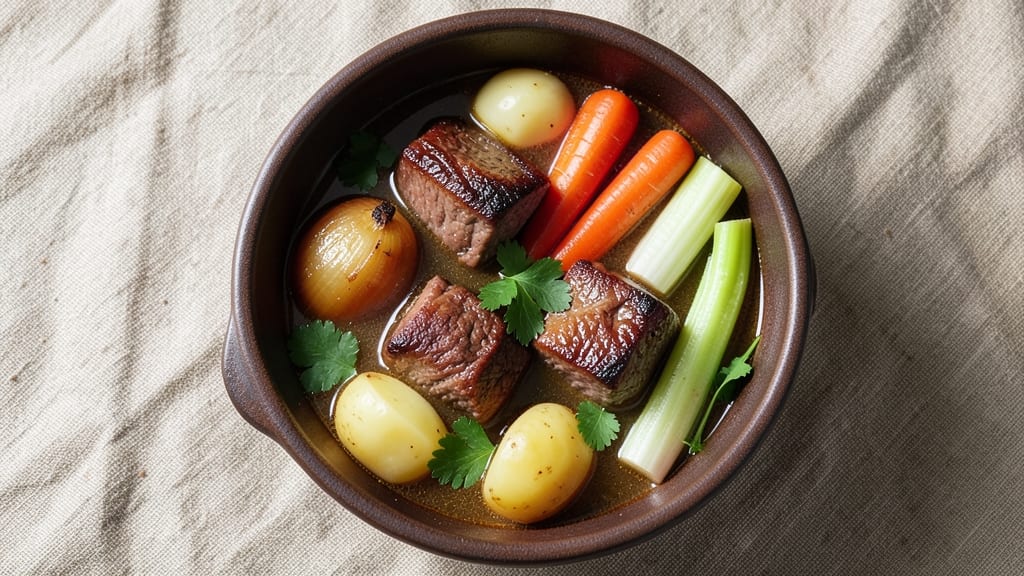
This Bob Evans beef vegetable soup copycat recipe delivers the slow-cooked depth and hearty texture that made the original famous—chunky beef, tender vegetables, and a rich broth that builds flavor with every spoonful.
The secret lies in browning the beef properly and letting it simmer low and slow, just like the restaurant version, so the meat becomes fork-tender while absorbing all those savory aromatics.
I've tested this recipe countless times to ensure the copycat version matches the original in both taste and texture, right down to the satisfying thickness of the broth.
The beauty of this recipe is its versatility—it works equally well in a slow cooker, Instant Pot, or stovetop, giving you flexibility for any schedule.
You'll start with a deep, flavorful beef broth base, then build layers of taste with carrots, potatoes, corn, and peas that cook just until tender. The beef, cut into generous chunks, becomes melt-in-your-mouth tender while maintaining its shape, creating that perfect balance of hearty and comforting.
This isn't just a soup; it's a one-pot meal that feeds a crowd and reheats beautifully for leftovers.
What sets this copycat apart is the caramelized beef that forms at the bottom of the pot, adding depth to every bite, and the way the vegetables develop sweetness from the slow cooking process.
The result is a bowl of soup that's rich, satisfying, and packed with substance—the kind that disappears quickly on a cold day or after a long week.
Whether you're serving it at a family gathering or just looking for a comforting weeknight dinner, this recipe delivers restaurant-quality results at home.
Serve it with crusty bread or crackers for dipping, and don't forget a sprinkle of fresh parsley or a dash of black pepper to brighten the flavors. The instructions are designed to be clear and foolproof, so even if you're new to slow-cooked soups, you'll achieve professional results.
Let's get started on recreating this classic dish that's been a comfort for generations.
Ingredients for bob evans beef vegetable soup copycat
Pantry staples plus a few key ingredients for that classic Bob Evans beefy richness.
| Ingredient | Amount | Notes |
|---|---|---|
| Chuck Roast Beef 🥩 | 2 lb | Cut into 1-inch chunks |
| Beef Broth 💧 | 6 cups | Low-sodium preferred |
| Carrots 🥕 | 4 medium | Peeled and cut into chunks |
| Celery Stalks 🧅 | 4 whole | Cut into 1-inch pieces |
| Yellow Onion 🧅 | 1 whole | Diced, medium size |
| Potatoes 🥔 | 2 lb | Russet, peeled and cubed |
| Sweet Corn Kernels 🌽 | 1 ½ cups | Fresh or frozen |
| Green Peas 🌱 | 1 cup | Fresh or frozen |
| Tomato Paste 🍅 | 2 tbsp | Squeeze tube preferred |
| All-Purpose Flour 🌾 | 1 tbsp | For thickening |
| Dried Thyme 🌿 | 1 tsp | Or 1 tbsp fresh |
| Bay Leaves 🍃 | 2 whole | Remove before serving |
| Salt 🧂 | 1 ½ tsp | Adjust to taste |
| Black Pepper 🌶️ | ½ tsp | Freshly ground |
| Worcestershire Sauce 🍶 | 1 tbsp | Optional but recommended |
The beef is everything here—chuck roast gives you that melt-in-your-mouth texture the restaurant version is famous for. Grab it from the butcher counter if you can, or the pre-cut chunks from the grocery store meat section. Look for good marbling—those little white fat streaks mean more flavor. I usually buy mine from Costco when I'm making a big batch, but the regular supermarket stuff works fine for a weeknight dinner. The carrots and celery should be firm with no soft spots—Trader Joe's often has the best selection if you want pre-cut veggies to save time.
No beef broth? Water plus 2 beef bouillon cubes works in a pinch (just don't tell anyone). Fresh thyme is ideal but dried works just fine—just use half the amount. The tomato paste can be the squeeze tube kind—it keeps forever and makes measuring easy. For the corn, frozen is totally fine (thaw first), but fresh tastes better if you've got it. The potatoes? Russets hold up best—don't use waxy reds. And if you're skipping the Worcestershire? A splash of soy sauce plus a pinch of sugar gets you close.
This soup tastes even better the next day—honestly, the flavors meld more overnight. Keeps for 5 days in the fridge, freezes for 3 months. I always make a double batch because it disappears fast. Store in airtight containers, and if you're freezing, portion it into single servings so you can grab just what you need. The beef chunks reheat beautifully—just add a splash of water or broth if it gets too thick.
Why You'll Love This Recipe
- One-Pot Wonder: I swear by this recipe because it’s actually one-pot—no chopping boards, no extra bowls, just dump-and-simmer. The chuck roast practically melts into tender shreds while the veggies soften, and honestly? That’s half the battle won before you even taste it.
- Deep, Rich Umami: The beef broth and slow-cooked chuck roast create this unfairly satisfying depth—like a hug in a bowl. Between us, the onions caramelize just enough to add that sweet, savory punch that makes it taste like you slaved over it (but you didn’t).
- Meal-Prep MVP: This soup tastes better the next day, which is perfect because it’s also my go-to for lunches. I make a double batch on Sundays, and by Wednesday, I’m still reaching for it—no sad leftovers here, just happy seconds.
- Budget-Friendly Powerhouse: Chuck roast is cheap, broth is cheap, and a bag of carrots/celery lasts forever. For under $15, I feed four people a meal that feels restaurant-worthy—no takeout guilt, just pure, hearty comfort. (Yes, even on a Tuesday night.)
Step-by-step instructions for Bob Evans beef vegetable soup copycat recipe
This is how you recreate that iconic slow-cooked, hearty beef vegetable soup at home.
Brown the Chuck Roast Beef for Deep Flavor
Heat a large Dutch oven or heavy pot over medium-high heat. Add the chuck roast beef cut into 1-inch chunks in a single layer, working in batches if needed. Let them sear undisturbed for 3-4 minutes until deeply browned on all sides. This step builds the rich foundation of the soup.
Don't rush this—you're developing that caramelized crust that carries all the meaty flavor through the cooking process. Once browned, remove the beef with tongs and set it aside temporarily. You'll add it back later when the vegetables are tender.
Sauté the Vegetable Base
In the same pot, reduce the heat to medium and add the diced yellow onion, chopped celery stalks, and peeled carrots. Cook for 5-6 minutes, stirring occasionally, until the vegetables begin to soften and the onion becomes translucent. This step develops their natural sweetness and removes any raw flavors.
Add the tomato paste and stir for 1 minute to cook it down slightly. This deepens the soup's color and adds a subtle umami richness. Sprinkle in the 1 tablespoon all-purpose flour and stir vigorously for 30 seconds to remove any raw taste from the flour. This creates a light roux that will help thicken the soup later.
Build the Soup Foundation
Pour in the 6 cups beef broth and bring the mixture to a gentle boil. Add the 2 whole bay leaves, 1 teaspoon dried thyme, 1.5 teaspoons salt, and 0.5 teaspoon black pepper. Stir well to combine all the ingredients. The broth should now be infused with all the aromatic flavors you've developed.
Return the browned beef to the pot, along with the 2 pounds peeled and cubed russet potatoes. Bring everything to a gentle simmer, then reduce the heat to low. Cover the pot and let it cook for 1 hour, stirring occasionally. This slow cooking allows the beef to become fork-tender and the potatoes to absorb all the rich flavors.
Add Vegetables and Season
After the initial 1 hour of cooking, stir in the 1.5 cups sweet corn kernels and 1 cup green peas. Add the 1 tablespoon Worcestershire sauce and give everything a good stir. The Worcestershire sauce adds that signature depth of flavor that makes this soup so special.
Continue simmering for another 30-45 minutes until the potatoes are fork-tender and the beef is falling apart easily. The soup should have thickened slightly from the natural release of starches from the potatoes and the roux you created earlier. Taste and adjust the seasoning if needed—you might want to add a bit more salt or pepper to your preference.
Finish and Serve
Remove the 2 whole bay leaves before serving. Ladle the hot soup into bowls, making sure each serving gets a generous portion of beef, potatoes, and vegetables. The soup should be hearty and comforting, with each spoonful packed with tender beef, sweet corn, and earthy vegetables.
Serve immediately while hot, with crusty bread on the side to soak up all that delicious broth. This soup tastes even better the next day as the flavors continue to meld together, so make extra if you can—it's that good.
Pro Tips For Making Bob Evans Beef Vegetable Soup Copycat
- SEAR THE ROAST FIRST: Chuck roast needs a good crust to keep it tender and flavorful—don’t skip browning it in batches if your pan’s too crowded. High heat for 3-4 minutes per side until deep golden, then deglaze with broth right away. I used to rush this, and the soup always tasted flat until I learned better.
- CUT VEGETABLES UNIFORM: Bob Evans’ version has perfectly sized carrots and celery—no tiny specks, no giant chunks. Aim for ¼-inch slices and ½-inch dice for even cooking. Uneven pieces mean some will turn to mush while others stay crunchy, and that’s a missed opportunity for texture.
- SIMMER LOW AND LONG: This isn’t a 30-minute stew—plan for at least 3 hours on low heat (or 6-8 hours on low in a slow cooker). The beef needs time to fall apart, and the flavors deepen when they’re given space to develop. Skipping this step leaves the meat tough and the broth weak.
- ADD POTATOES LATE: If you’re copying the full Bob Evans style, toss in diced potatoes (about 1 cup) in the last 30 minutes of cooking. They’ll soak up broth and thicken the soup naturally—no need for flour or cornstarch. I was skeptical until I tried it; now it’s non-negotiable for that creamy finish.
Wine and beer pairings for this bob evans beef vegetable soup copycat
Red Wine Classics
A bold Cabernet Sauvignon from Napa Valley—like a 2018 Cakebread Cellars—complements the soup’s rich beef and deep umami notes beautifully. The wine’s dark fruit flavors and firm tannins stand up to the hearty broth without overpowering it.
I’ve found that a glass chilled to 65°F brings out the best balance of both dishes. 🍷
Malbec for Comfort
If you prefer something smoother, a Malbec from Argentina—such as Catena Zapata—works wonderfully. Its velvety texture and blackberry undertones harmonize with the soup’s caramelized beef and sweet potatoes.
Serve it slightly cooler than room temperature (60-62°F) to let its fruitiness shine through while keeping the wine crisp. 💜
Beer Pairings
A dark amber ale like Leinenkugel’s Summer Shandy (with a splash of lemonade) cuts through the soup’s richness while adding a refreshing contrast. For something stronger, try a Belgian-style dubbel—like Westmalle Dubbel—which balances the soup’s savory depth with malty sweetness and a hint of spice. 🍺
Light Options
If you’re watching your alcohol intake, a sparkling water with lemon or ginger beer adds a crisp, palate-cleansing element. I like to add a pinch of sea salt to the ginger beer to enhance the soup’s savory notes.
For a non-alcoholic wine alternative, try a grape juice spritzer—mix ½ cup Concord grape juice with ½ cup sparkling water and a squeeze of lime. 💧
Seasonal Adjustments
In summer, a rosé with bright acidity—like Whispering Angel—refreshes the palate after each spoonful of hearty soup. For winter, a Syrah from the Rhône Valley (such as Guigal Côtes-du-Rhône) adds warmth and spice that complements the soup’s slow-cooked depth. 🍇
Nutrition facts
Frequently asked questions
Can I substitute chuck roast with another cut of beef?
Yes, but chuck roast is ideal for its flavor and tenderness. You can use stew beef or chuck shoulder as close substitutes. Avoid lean cuts like sirloin—they won't become tender enough during simmering. If using a different cut, increase cooking time by 15-20 minutes to ensure proper tenderness.
How do I make this soup in a slow cooker?
Brown the beef first in a skillet, then transfer it to your slow cooker. Add all ingredients except corn and peas, then cook on low for 6-7 hours or high for 3-4 hours. Stir in the corn and peas during the last 30 minutes of cooking. The slow cooker's gentle heat ensures tender beef and perfectly cooked vegetables.
Why does my soup turn out too thin?
This usually happens if you skip the flour roux or overcook the potatoes. For a thicker texture, try mixing 1 tablespoon cornstarch with 2 tablespoons cold water and stirring it into the soup during the last 10 minutes of cooking. Alternatively, mash a few potatoes against the pot sides to release starch.
Can I freeze this soup?
Let it cool completely, then store in airtight containers for up to 3 months. For best results, freeze in single-serving portions. Thaw overnight in the fridge before reheating on the stovetop over medium-low heat, stirring occasionally. Add a splash of broth if needed to restore thickness.
What's the secret to getting that restaurant-style flavor?
The key is proper browning of the beef and slow cooking. Don't skip searing the beef—this creates the Maillard reaction that builds deep flavor. Also, use low-sodium broth and season to taste at the end. The Worcestershire sauce adds that signature umami punch that makes it taste just like Bob Evans.