
Soups & Stews
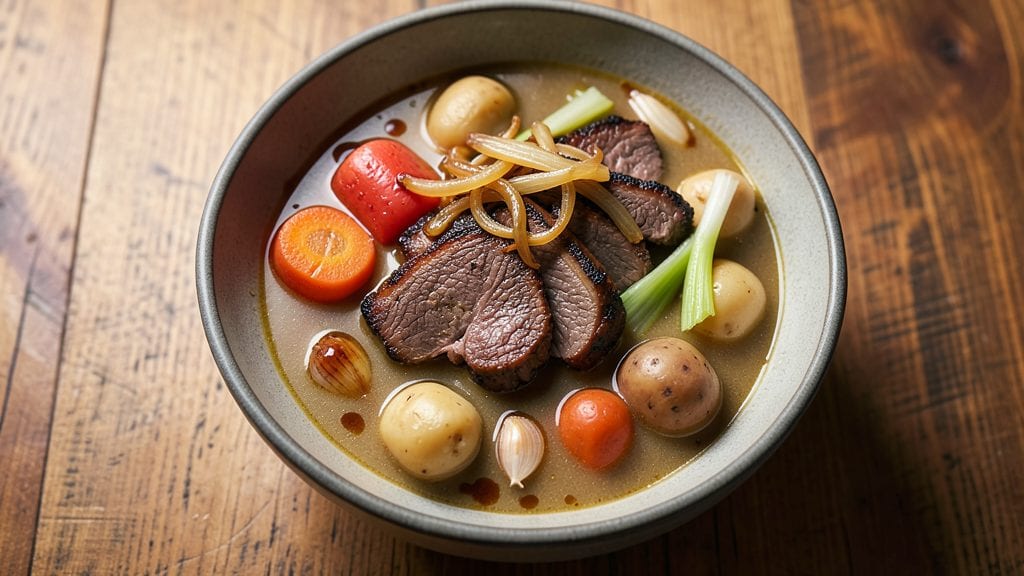
This heart soup recipe transforms humble beef heart into a deeply comforting, one-pot meal that warms the soul as much as it satisfies the stomach.
After years of perfecting my grandmother’s approach—where every ingredient had purpose—I’ve refined this version to deliver rich, savory depth with tender vegetables and a broth so flavorful it feels like a hug in a bowl.
The key lies in slow cooking the heart until it practically melts, creating a texture that’s both tender and substantial.
What makes this recipe special is its balance of simplicity and sophistication. You’ll start with a beef heart, which may sound intimidating, but when cooked properly, it becomes the star of the show—infusing the broth with an unmatched depth of umami.
The vegetables (carrots, potatoes, and celery) soften just enough to absorb the broth’s richness, while onions and garlic form the aromatic foundation. The entire process unfolds in one pot, making it ideal for weeknight dinners when you crave warmth without the fuss.
By the time you’re done, you’ll have a steaming bowl of soup where every spoonful delivers layers of flavor: the earthy richness of the heart, the sweetness of caramelized onions, and the comforting weight of tender vegetables.
The broth will be velvety, the meat will be fork-tender, and the aroma alone will have everyone gathering around the table. This is the kind of meal that turns a ordinary evening into a moment of connection—just like my grandmother always intended.
Serve it with crusty bread to soak up every last drop of that flavorful broth, or pair it with a simple green salad for balance. The leftovers reheat beautifully, making it perfect for meal prep or feeding a crowd. Let’s get cooking—this soup is worth every minute of effort.
Ingredients for heart soup
Six ingredients transform humble beef heart into a soul-warming bowl of comfort.
| Ingredient | Amount | Notes |
|---|---|---|
| Beef Heart 🥩 | 2 lb | Whole, cleaned and trimmed |
| Yellow Onions 🧅 | 2 whole | Medium, sliced into half-moons |
| Carrots 🥕 | 4 whole | Medium, peeled and chopped |
| Russet Potatoes 🥔 | 2 lb | Peeled and cubed |
| Celery Stalks 🥬 | 4 whole | Trimmed and chopped |
| Garlic Cloves 🧄 | 6 cloves | Peeled and smashed |
| Tomato Paste 🍅 | ½ cup | Smooth, not chunky |
| Vegetable Broth 💧 | 6 cups | Low-sodium preferred |
| Red Wine 🍷 | 1 cup | Dry, like Cabernet |
| Fresh Thyme 🌿 | 2 tbsps | Leaves only, chopped |
| Fresh Rosemary 🌿 | 1 tbsp | Needles only, chopped |
| Bay Leaves 🍃 | 2 whole | Dried, removed before serving |
| Olive Oil 🫒 | ¼ cup | Extra-virgin for richness |
| Salt 🧂 | 1 ½ tsp | Kosher or sea salt |
| Black Peppercorns 🌶️ | 1 tsp | Freshly ground |
| Crusty Bread 🍞 | 1 lb | For serving, optional |
The beef heart is your flavor anchor—look for bright red, plump pieces at the meat counter. Costco or Whole Foods usually carry them pre-cleaned, but if you're buying whole, ask the butcher to trim off any silver skin. Fresh thyme and rosemary matter here; grab them from the grocery store's produce section—they should smell fragrant, not musty. The potatoes? Russets hold up best—their floury texture soaks up broth beautifully. For the wine, any dry red works, but Cabernet or Merlot add the best depth without overpowering.
No beef heart? Substitute with beef chuck or short ribs, but increase cooking time by 30 minutes. Short on thyme? Dried works at one-third the amount, but fresh is ideal. The tomato paste can be swapped for 1 cup crushed tomatoes if you prefer. Vegetable broth low-sodium? Add an extra pinch of salt—this soup needs that umami punch. The crusty bread is totally optional, but a good sourdough or baguette makes this feel like a restaurant meal. If you're prepping ahead, chop all veggies the night before—they'll keep in the fridge for 2 days.
This soup tastes even better the next day—make a double batch and freeze half. Store leftovers in the fridge for 5 days or freeze for 3 months. The broth thickens as it cools, so add a splash of water when reheating. For serving, toss the bread with olive oil and garlic while the soup simmers—it’ll be warm and perfect by the time you’re ready to eat. The aroma alone will have everyone at the table
Why You'll Love This Recipe
- One-Pot Magic: I swear by this—just toss everything in one pot, simmer, and walk away. The beef heart breaks down into tender shreds while the potatoes and carrots soften perfectly, no fancy techniques needed.
- Rich, Earthy Depth: That beef heart? It’s like a secret weapon—packed with flavor but not gamey if you prep it right. The onions and celery caramelize into a savory base that makes every spoonful feel hearty and satisfying.
- Meal Prep MVP: Between us, this soup tastes better the next day. I double the batch on Sundays, store it in jars, and grab it for lunches all week—no reheating drama, just pure comfort.
- Budget-Friendly Powerhouse: Beef heart is a steal compared to steak, and the veggies stretch it into a filling, nourishing meal. Honestly, I feed my whole family for less than half the cost of takeout, and they don’t even complain.
Step-by-step instructions for heart soup recipe
This one-pot wonder delivers rich, comforting flavors that warm you from the inside out.
Sear the Beef Heart for Deep Flavor
Heat the olive oil in a large Dutch oven over medium-high heat until shimmering. Pat the beef heart dry with paper towels - this is crucial for that perfect sear. Working in batches if needed, add the beef heart and sear for 3-4 minutes per side until it develops a deep golden-brown crust. You'll smell that rich, meaty aroma - that's your signal it's ready.
Remove the seared beef heart and set it aside. Don't clean the pot - those browned bits packed with flavor will form the base of your soup. Here's where the magic begins: add the sliced yellow onions, chopped carrots, celery stalks, and smashed garlic cloves to the same pot. Cook for 5-6 minutes, stirring occasionally, until the vegetables begin to soften and the garlic releases its fragrant aroma.
Build the Rich Base with Wine and Tomato
Pour in the red wine and scrape up all those delicious browned bits from the bottom of the pot - this is called deglazing and it captures all that meaty flavor. Let it simmer for 2-3 minutes until the wine reduces by about half and the alcohol cooks off. You'll notice the aroma becomes more complex and inviting.
Stir in the tomato paste and cook for another 2 minutes until it darkens slightly. This step develops the soup's deep, savory foundation. Add the vegetable broth, bringing everything to a gentle simmer. Here's where the comfort begins to build - the combination of wine, tomato, and broth creates a rich base that will carry all the other flavors.
Simmer the Vegetables and Season
Return the seared beef heart to the pot along with the chopped fresh thyme, fresh rosemary, and bay leaves. Add the peeled and cubed russet potatoes, giving everything a gentle stir. Bring the soup back to a simmer, then reduce heat to medium-low. Cover partially and let it cook for 45-50 minutes, stirring occasionally, until the potatoes are fork-tender and the beef heart is cooked through.
Season with the salt and freshly ground black peppercorns. Taste the soup and adjust the seasoning if needed - this is where you fine-tune the flavors. The soup should be rich and comforting, with the beef heart falling apart easily when pierced with a fork. If it's too thick, add a little water or broth to reach your preferred consistency.
Finish and Serve with Warm Bread
Remove the bay leaves and adjust the seasoning one final time. Let the soup sit off the heat for 5-10 minutes to allow the flavors to meld together. This resting period is important - it lets all the components come together and develop their full potential.
Ladle the heart soup into bowls and serve immediately with warm crusty bread on the side. The combination of tender beef heart, hearty vegetables, and rich broth creates a truly comforting meal. Each spoonful delivers that perfect balance of meaty goodness and vegetable sweetness that makes this soup so satisfying.
Pro Tips For Making Heart Soup
- Sear the Heart First: Don’t skip browning the beef heart—it’s the thing that matters most for flavor. Cut it into 1-inch chunks, pat dry with paper towels, then hit a screaming-hot pan with oil. Three minutes per side until deeply caramelized (yes, it’ll look like burnt leather at first, but that’s the magic).
- Slice Onions Thinly: I used to chop onions roughly for heart soup, and they’d turn to mush before the heart was tender. Instead, slice them paper-thin—about 1/8-inch—and they’ll soften evenly without disappearing. (Pro tip: Use the mandoline if you’re impatient like me.)
- Add Potatoes Last: Tossing in russet potatoes too early means they’ll turn to glue. Wait until the beef heart and onions are already simmering for 20 minutes before adding them—this guarantees they’ll stay firm and absorb flavor instead of falling apart.
- Deglaze with Red Wine: After searing the heart, don’t just splash in broth—deglaze with 1/2 cup dry red wine first. Let it bubble for 2 minutes to pull up all the browned bits, then add the broth. (Skip the wine? Your soup will taste flatter, but here’s the secret: a splash of balsamic vinegar in a pinch works too.)
Make-ahead tips for heart soup
Prep Ahead Like a Pro
Chop all your vegetables the night before and store them in an airtight container in the fridge. I swear by this trick—it saves 20 minutes of prep time on cooking day.
The onions, carrots, and celery will keep well for 2 days, and the potatoes can even be peeled and cubed ahead. Just keep them submerged in cold water to prevent browning.
This is especially helpful if you're working with a busy schedule or want to avoid last-minute chopping chaos. 🥕
Broth Prep Shortcut
Make a big batch of vegetable broth while you're cooking—it freezes beautifully and can be used in future soups or sauces. I like to use low-sodium broth but add an extra pinch of salt later if needed. Store it in quart-sized freezer bags and label them with the date.
This way, you always have a flavorful base ready for heart soup or any other recipe calling for broth. It’s like having a secret weapon in your freezer! 💧
Heart Prep Tips
If you're nervous about handling beef heart, ask your butcher to clean and trim it for you. The key is to pat it completely dry before searing—this ensures a perfect crust.
I like to sear the heart in advance, then store it in the fridge for up to 2 days before adding it to the soup. This step deepens the flavor and makes cleanup easier. Just wrap it tightly in plastic wrap and refrigerate until ready to use. 🥩
Freezing for Later
This soup tastes even better the next day, so I always make a double batch. Let it cool completely, then transfer to airtight containers or freezer bags. It freezes for up to 3 months, and reheating is a breeze—just thaw in the fridge overnight and warm on the stovetop.
The broth thickens as it cools, so add a splash of water when reheating. Trust me, your future self will thank you for this meal-prep hack! ❄️
Bread Prep Trick
While the soup simmers, toss your crusty bread with 2 tablespoons olive oil and 1 teaspoon garlic powder. Wrap it in a clean kitchen towel and place it in a 350°F oven for 10 minutes—it’ll be warm and ready to serve.
This simple step elevates the whole meal and makes cleanup a breeze. No last-minute bread toasting needed! 🍞
Flavor Boost for Leftovers
If your soup tastes a little flat after reheating, stir in a splash of red wine or a pinch of Penzeys smoked paprika to revive the flavors. I also like to add a dollop of Greek yogurt or a sprinkle of fresh parsley on top for brightness.
Leftovers reheat beautifully, so don’t hesitate to make extra—this soup is pure comfort food gold! 💫
Nutrition facts
Frequently asked questions
Why does beef heart make this soup so flavorful?
The beef heart delivers an unmatched depth of umami and richness that's impossible to replicate with other cuts. When seared properly, it develops a deep, meaty crust that infuses the broth with complex flavors. The heart's natural gelatin also helps thicken the soup as it cooks, creating that velvety texture we all love. It's the secret ingredient that transforms this from ordinary vegetable soup to something truly special.
Can I substitute beef heart with another protein?
For a similar texture, use beef chuck or short ribs, but increase cooking time by 30 minutes since they're tougher cuts. You could also try lamb shoulder for a different but equally rich flavor profile. The key is choosing a protein that will break down during long simmering. Just remember to adjust seasoning if using a different meat—lamb needs more garlic and herbs, for example.
How do I know when the beef heart is fully cooked?
The heart should be fork-tender with no pink center when pierced—it should feel like it's falling apart slightly. For perfect doneness, aim for an internal temperature of 160°F. If you're unsure, cut into a small piece—the meat should be completely opaque with no resistance. Overcooking can make it stringy, so keep an eye on it during the final 10 minutes of cooking.
What's the best way to store and reheat leftovers?
Let the soup cool completely, then store in airtight containers for up to 5 days in the fridge or 3 months in the freezer. When reheating, add a splash of water or broth if the soup seems too thick. For best results, reheat on the stovetop over medium-low heat until steaming. The flavors actually improve after the first night as everything melds together!
Can I make this soup vegetarian?
While this traditional recipe uses beef heart, you can create a vegetarian version by using mushrooms (like portobello or shiitake) or tofu for texture. For umami depth, add 1 tablespoon soy sauce or 1 teaspoon miso paste to the broth. The vegetables will still provide hearty substance, though the protein content will be lower. Just be prepared for a different flavor profile—this won't taste exactly like the original, but it'll be delicious in its own right!