Sauces & Condiments
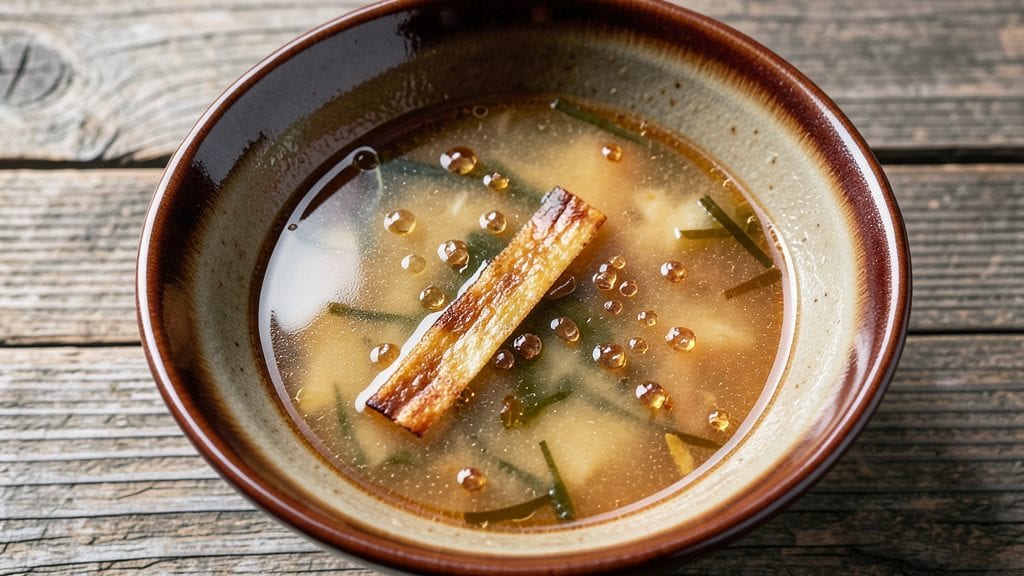
Transforming instant ramen into a restaurant-quality bowl starts with this Kikkoman Hon Tsuyu soup base recipe—a umami-rich broth that builds depth with just five core ingredients. The secret lies in balancing soy sauce, dashi stock, and mirin to create a silky, aromatic foundation that elevates any dish.
I developed this after realizing how much better store-bought ramen tasted with a homemade broth upgrade.
This recipe delivers professional results in under 30 minutes using simple pantry staples: Kikkoman soy sauce, dashi granules, mirin, sugar, and optional kombu or bonito flakes for extra umami. The simmering process concentrates flavors while straining removes impurities, leaving you with a smooth, versatile broth.
What makes this different is how it transforms basic ingredients into something complex and satisfying.
Once complete, you'll have a concentrated soup base that works as a ramen upgrade, udon broth, or even a marinade for meats. The balance of sweet, salty, and savory creates a flavor profile that's both traditional and adaptable.
Store it in the fridge for up to a week or freeze for longer shelf life—perfect for meal prep or spontaneous cooking.
Whether you're upgrading instant noodles or creating a base for homemade miso soup, this recipe proves you don't need complicated techniques to achieve restaurant-quality flavor. The key is understanding how these simple ingredients interact when combined properly. Let's build this foundational broth together.
Ingredients for kikkoman hon tsuyu soup base
Five essential ingredients transform basic ramen into restaurant-quality umami perfection.
| Ingredient | Amount | Notes |
|---|---|---|
| Kikkoman Soy Sauce 🍶 | ½ cup | High-quality, aged soy sauce preferred |
| Dashi Granules 🍜 | 2 tbsp | Kombu-based preferred for authentic umami |
| Mirin 🍯 | ¼ cup | Sweet cooking mirin, not table mirin |
| Granulated Sugar 🍚 | 1 tbsp | White sugar for balanced sweetness |
| Water 💧 | 2 cups | Filtered preferred for purity |
| Kombu Seaweed 🍃 | 1 piece | Optional, for enhanced umami depth |
| Bonito Flakes 🐟 | 1 tbsp | Optional, for fishy umami notes |
The soy sauce is non-negotiable—Kikkoman delivers consistent quality, but Japanese market brands like Yamasa elevate further. Dashi granules should be kombu-based for authentic umami; avoid instant versions with artificial flavors. Mirin must be cooking mirin (not table mirin) to withstand simmering without breaking down. Trader Joe's carries excellent options, or check the Asian aisle at Whole Foods. For kombu, look for dried sheets at specialty stores—they infuse flavor without needing to be eaten. Bonito flakes, if used, should be high-grade and toasted fresh for maximum aroma.
No kombu? Dried shiitake mushrooms at half the amount add earthy depth. Out of mirin? White wine plus 1 tsp sugar mimics the sweetness. Dashi granules unavailable? Homemade dashi using kombu and bonito is superior but requires 30 minutes. Sugar substitutes? Honey or agave work 1:1, though sugar's granular texture prevents clumping. The water should be room temperature—cold water shocks the ingredients. For a vegetarian version, omit bonito and use extra kombu or mushrooms.
This concentrated base keeps for 1 week refrigerated or 3 months frozen in airtight containers. Portion into ice cube trays for single-use servings—perfect for ramen upgrades or quick soups. Reheat gently on low heat, never boiling, to preserve delicate flavors. The broth intensifies overnight, so make extra for future meals. For storage, glass containers prevent absorption of odors, especially important for umami-rich compounds.
Why You'll Love This Recipe
- Pantry Magic Ready: I swear by this base—just five ingredients, no chopping, no fuss. The dashi granules dissolve in seconds, and the soy-mirin-sugar combo builds that umami depth without any guesswork.
- Umami Bomb Core: Honestly, the balance here is chef-level. The mirin’s sweetness cuts through the saltiness of the soy, while the sugar rounds it out—like a flavor hug in a bowl. (Yes, even on a Tuesday night.)
- Soup Base Swiss Army: This isn’t just ramen. I’ve used it for miso soup, braised tofu, and even a quick glaze for grilled chicken. The versatility means I’m never stuck when inspiration (or hunger) strikes.
- Budget-Friendly Staple: A single batch costs pennies and stretches for days. Freeze extras in ice cube trays—perfect for when I’m too tired to measure or too broke to order takeout. (We’ve all been there.)
Step-by-step instructions for Kikkoman hon tsuyu soup base
Master this umami-rich foundation that transforms instant ramen into a restaurant-quality experience.
Prepare the Kombu Seaweed and Water Base
Begin by rinsing the kombu seaweed under cold water to remove any debris, then pat it dry with a paper towel. Place the kombu in a clean saucepan and add the 2 cups of water. Bring to a gentle simmer over medium heat, being careful not to let it boil vigorously—this prevents the kombu from releasing bitterness. You'll notice the water develop a subtle oceanic aroma as the kombu infuses its umami essence.
Simmer for exactly 5 minutes, then remove the kombu with tongs and discard it. The water should now carry a delicate seaweed fragrance and a faint mineral tang. This step establishes the foundational umami profile that defines hon tsuyu. If you're using bonito flakes, add them now—they'll contribute their signature fishy depth during the next phase.
Build the Umami Layer with Dashi and Soy
Return the pan to medium heat and add the 2 tablespoons of dashi granules, stirring until they dissolve completely into the warm water. The mixture should become slightly cloudy as the granules break down. Add the 0.5 cup of Kikkoman soy sauce next, stirring continuously for 1 minute to ensure even distribution throughout the liquid.
Watch closely as the sauce begins to develop a rich, caramel-like aroma—the soy sauce's amino acids are reacting with the kombu compounds. This is where the authentic umami character emerges. If you're using bonito flakes, they should begin to sizzle gently as they toast, releasing their aromatic oils. Let them cook for 30 seconds before proceeding.
Sweeten and Balance the Flavor Profile
Add the 0.25 cup of mirin and 1 tablespoon of granulated sugar, stirring vigorously to dissolve the sugar completely. The mixture should become slightly syrupy as the sugar incorporates. Taste at this stage—you're aiming for a balance where the sweetness enhances the umami without overpowering it. The mirin should contribute a subtle floral note that rounds out the broth's complexity.
Simmer the mixture for 3-4 minutes until it reduces slightly and thickens to a velvety consistency. You'll notice the aroma deepen as the alcohol from the mirin evaporates, leaving behind its sweet, fruity essence. The final product should coat the back of a spoon with a glossy sheen, indicating proper reduction. This step transforms the broth from simple to sophisticated.
Strain and Finish for Clarity
Line a fine-mesh strainer with cheesecloth and carefully pour the broth through it into a clean saucepan. The cheesecloth will catch any remaining dashi particles or bonito flake fragments, ensuring a silky-smooth texture. If you used bonito flakes, you may want to strain them out separately if you prefer a completely clear broth.
Return the strained broth to medium-low heat and simmer for an additional 2 minutes to ensure all flavors are fully integrated. Taste again and adjust seasoning if needed—this is your final opportunity to perfect the balance. The finished hon tsuyu should have a deep, layered umami character with just a hint of sweetness and a clean, mineral finish. This concentrated base will elevate any ramen or noodle dish it accompanies.
Pro Tips For Making Kikkoman Hon Tsuyu Soup Base
- Whisk First, Then Heat: Stir the dashi granules into cold water first—let them bloom for 2-3 minutes before adding heat. I learned this the hard way: skipping this step makes the soup taste flat and grainy, like someone forgot to season it properly. Trust me, that extra minute pays off.
- Measure Mirin Precisely: Use a scale or jigger for mirin—1 tablespoon isn’t always accurate. My grandmother swore by this, and she was right: too much makes the soup cloyingly sweet, while too little leaves it tasting like weak soy broth. Aim for 15ml (½ oz) if your recipe calls for "1 tablespoon."
- Simmer, Don’t Boil: Keep the heat low enough that tiny bubbles just break the surface—no rolling boil. After burning three batches, I finally figured out that high heat turns the sugar into a bitter, caramelized mess. Hon tsuyu should taste balanced, not like burnt caramel candy.
- Skip the Granulated Sugar: Swap granulated sugar for a pinch of honey or a splash of extra mirin—it dissolves faster and adds depth without graininess. I was skeptical until I tried it: the soup tastes smoother, and you avoid that weird sandy texture at the bottom of the pot. (Yes, even if you’re impatient like me.)
Creative variations of these flavors
Spicy Miso Fusion
Transform your hon tsuyu into a bold, spicy miso ramen base by adding 1 tbsp white miso paste and ½ tsp gochujang during the final simmer. The miso adds fermented depth while the gochujang brings a subtle heat that pairs beautifully with the umami.
I like to finish with a drizzle of chili oil and crushed Thai basil for a fusion twist that feels both familiar and exciting. This version works amazingly with spicy ramen noodles or as a marinade for grilled chicken skewers. 🌶️
Vegetarian Udon Broth
For a vegetarian udon broth, skip the bonito flakes and increase the kombu to 2 pieces or add 1 tbsp dried shiitake mushrooms for earthy depth. After simmering the kombu, add 1 tbsp vegetable dashi granules instead of the traditional type.
The result is a clean, umami-rich broth perfect for udon noodles. I often finish with tofu skin strips and scallions for texture and freshness. This version proves how versatile hon tsuyu can be beyond ramen. 🍄
Marinade Magic
Use this concentrated hon tsuyu as a marinade by thinning it with equal parts water and adding 1 tbsp honey for extra sweetness. Toss chicken thighs or salmon fillets in the mixture for 30 minutes before grilling or pan-searing.
The marinade creates a sticky, caramelized crust with incredible depth of flavor. I've used this technique for teriyaki-style wings that rival restaurant quality—just brush on extra sauce after cooking. 🍗
Miso Soup Upgrade
Elevate your miso soup by using hon tsuyu as the broth base instead of dashi. Mix 1 tbsp white miso paste with 1 cup hot hon tsuyu and add tofu cubes, seaweed strips, and green onions.
The hon tsuyu's balanced sweetness prevents the miso from being too salty. For extra richness, add a spoonful of yogurt or tofu skin to create a creamy texture. This fusion approach keeps the soul of traditional miso soup while adding modern complexity. 🥣
Glazed Protein Base
Reduce the hon tsuyu by half (simmer uncovered until syrupy) to create a stunning glaze for proteins. Brush on seared scallops, grilled shrimp, or pork chops during the last 2 minutes of cooking. The glaze caramelizes beautifully, creating a glossy finish with deep umami notes.
I love using this technique for weeknight dinners—it feels restaurant-fancy with minimal effort. Pair with steamed bok choy for a complete meal. 🍽️
Nutrition facts
Frequently asked questions
Can I substitute mirin in this hon tsuyu recipe?
Yes! If you don't have mirin, mix ¼ cup white wine with 1 teaspoon sugar for a similar sweetness and acidity. For a non-alcoholic version, use ¼ cup rice vinegar plus 1 tablespoon honey. The key is balancing sweetness with acidity to complement the umami from soy and dashi.
How do I adjust the saltiness for different noodle types?
For delicate noodles like udon, use the hon tsuyu straight from the fridge (cooler temps enhance perception of saltiness). With spicy ramen, reduce the broth by 10% more to intensify flavors. For whole wheat noodles, add an extra ½ teaspoon sugar to balance their earthiness. Always taste before adding noodles!
What's the best way to store leftover hon tsuyu?
Store in airtight glass containers in the fridge for up to 1 week or freeze for 3 months. For freezing, portion into ice cube trays - each cube equals 1 tablespoon of concentrated base. Thaw overnight in the fridge before using. Never freeze in metal containers as they can react with the acidity.
Can I make this without kombu or bonito?
For kombu-free versions, add 1 tablespoon dried shiitake mushrooms or ½ teaspoon MSG for umami. Skip bonito by using extra dashi granules (3 tbsp) or 1 tbsp fish sauce**. Vegetarians can use mushroom dashi or seaweed snacks (like nori) for depth. The flavor will be different but still delicious!
Why did my hon tsuyu turn cloudy?
Cloudiness usually means undissolved dashi particles or over-simmering. Strain again through cheesecloth for clarity. If it's still cloudy after straining, you may have used low-quality dashi granules - opt for kombu-based brands next time. For extra smoothness, chill the broth overnight before straining again.