
Soups & Stews
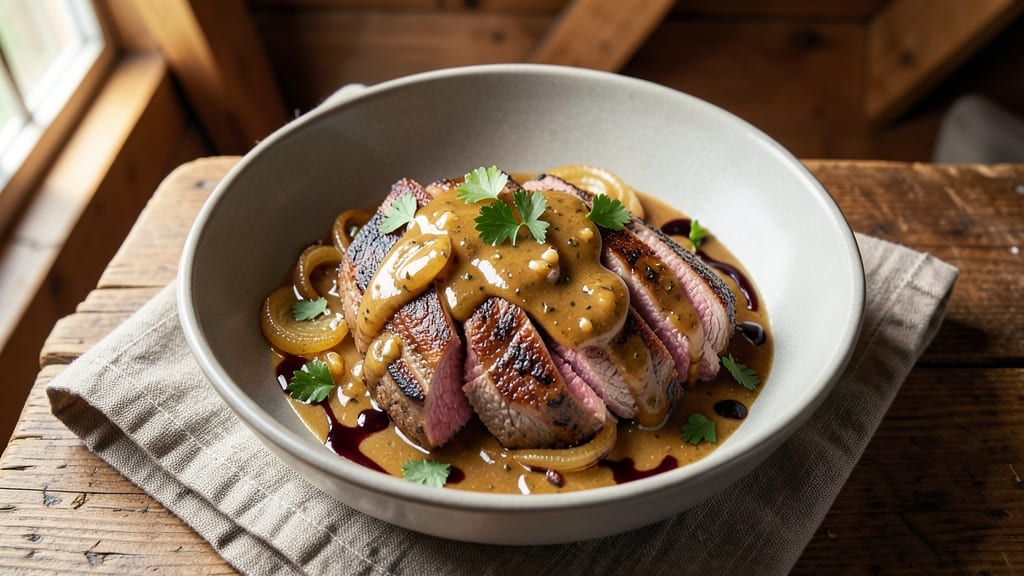
Transforming a simple Lipton onion soup packet into the rich, umami-packed base for slow-braised beef brisket is a game-changer for weeknight dinners.
The secret lies in using the packet's concentrated flavors as a foundation while letting the brisket tenderize over hours of gentle cooking, creating a dish that feels restaurant-quality without the fuss.
This method delivers melt-in-your-mouth beef with a velvety, savory sauce that coats every bite—perfect for feeding a crowd or meal prepping for the week.
What makes this recipe work is the balance between simplicity and technique. You'll start with a well-seasoned brisket that develops deep flavor during the slow cook, while the onion soup packet provides instant umami depth without requiring complicated ingredient lists.
The key steps—properly browning the meat, deglazing the pot, and controlling the liquid—ensure you end up with a sauce that's rich but not heavy, and beef that's fork-tender every time. It's the kind of dish that gets better as it sits, allowing flavors to meld and intensify.
By the time you're done, you'll have a pot of deeply satisfying brisket that's ready to serve over mashed potatoes, crusty bread, or even as a filling for sandwiches. The sauce clings to the beef, creating each bite into a flavorful experience that balances sweet, savory, and tangy notes perfectly.
This is comfort food at its finest—warm, hearty, and impossible to resist.
The best part? This recipe scales effortlessly, making it ideal for gatherings or when you want to impress without spending hours in the kitchen. The slow-cooking process means you can prepare it ahead and let the flavors develop even more over time.
Let's get started on creating this rich, umami-packed masterpiece that will become a staple in your meal rotation.
Ingredients for lipton onion soup beef brisket
Two packets of Lipton onion soup mix kickstart this restaurant-style brisket with minimal effort.
| Ingredient | Amount | Notes |
|---|---|---|
| Beef Brisket 🥩 | 3 lb | Flat cut, 1-inch thick slices |
| Lipton Onion Soup Mix 🧅 | 2 tbsp | Granulated or powdered |
| Beef Broth 💧 | 2 cups | Low-sodium preferred |
| Red Wine 🍷 | ½ cup | Bold dry variety |
| Balsamic Vinegar 🍶 | 2 tbsp | For tangy depth |
| Garlic Cloves 🧄 | 6 cloves | Minced, fresh preferred |
| Yellow Onion 🧅 | 1 whole | Diced, medium size |
| Carrots 🥕 | 3 whole | Chopped into chunks |
| Celery Stalks 🥬 | 3 whole | Chopped, with leaves |
| Tomato Paste 🍅 | 2 tbsp | Smooth, not chunky |
| Black Peppercorns 🌶️ | 1 tsp | Freshly cracked |
| Bay Leaves 🍃 | 2 whole | Dried, standard size |
| Olive Oil 🫒 | 2 tbsp | Extra-virgin for browning |
| Salt 🧂 | 1 ½ tsp | Kosher or sea salt |
| Fresh Thyme 🌿 | ½ tsp | Leaves only, chopped |
The brisket is the star here, so pick a well-marbled flat cut—the fat renders down during cooking, keeping the meat juicy. Most grocery stores carry it pre-sliced, but if you're buying a whole brisket, ask the butcher to cut it into 1-inch thick slices. Kroger or Costco usually have good options, and look for bright red color with visible white fat marbling. The onion soup mix is the secret weapon—it's packed with umami flavor that builds as the brisket slow-cooks. Grab the granulated version if you can find it; it dissolves better than the powdered kind.
No red wine? Substitute with extra beef broth—just add an extra 0.5 cup. Fresh thyme is ideal, but dried works at one-third the amount. If you're short on time, Trader Joe's sells pre-minced garlic in a jar, which saves chopping. The tomato paste can be the squeeze-tube kind from Trader Joe's—it's perfect for small amounts and lasts forever. For the vegetables, no need to peel carrots or celery. The onion should be yellow or sweet—red onions can make the sauce too bitter. And if you're worried about the brisket drying out, add 1/2 cup water after 2 hours of cooking.
This dish tastes even better the next day, so make extra portions. The brisket keeps for 4-5 days in the fridge, and the sauce freezes beautifully for up to 3 months. I like to portion it into meal-prep containers—brisket on the bottom, sauce on top. Reheat in the microwave for 2-3 minutes or on the stovetop until warmed through. The leftovers are perfect for sandwiches or over mashed potatoes.
Why You'll Love This Recipe
- Pantry Magic: I swear by this when I forget to shop. That jar of Lipton Onion Soup Mix? It’s my secret weapon—no fresh onions needed, just dump and simmer. The brisket practically melts into the rich broth while I sip my wine (because why not?).
- Deep Flavor Fix: The red wine and balsamic vinegar combo turns this into something fancy without the fuss. That caramelized beef? It’s got layers—savory, slightly sweet, with a tangy bite that makes every spoonful feel like a hug.
- Weeknight to Party: Same recipe, different vibes. Throw it together for a lazy Tuesday dinner, or serve it in bowls with crusty bread for a dinner party that won’t stress me out. (Yes, even on a Tuesday night.)
- Leftovers That Don’t Suck: Between us, most beef brisket leftovers are sad. Not this one. The flavors only get better the next day—perfect for sandwiches, tacos, or just reheating with a splash of broth. My freezer’s always stocked with it.
Step-by-step instructions for Lipton onion soup beef brisket
Here's how to transform tough brisket into melt-in-your-mouth perfection using Lipton Onion Soup Mix for unmatched depth.
Sear the Brisket for Maximum Flavor
Pat the 3 lb beef brisket completely dry with paper towels—this ensures a perfect crust. Heat 2 tablespoons olive oil in a heavy Dutch oven over medium-high heat until shimmering. Place the brisket fat-side down and sear for 8-10 minutes until deeply browned. Flip and sear the other side for another 5-7 minutes. You'll know it's ready when the exterior develops a rich mahogany color and releases easily from the pan.
Remove the brisket and set it aside. The goal here is to build layers of flavor through browning—those caramelized bits stuck to the bottom will form the foundation of our rich sauce. Don't rush this step; patience at the beginning ensures flavor throughout the entire dish.
Build the Umami-Packed Base
In the same Dutch oven, add 1 diced yellow onion, 3 chopped carrots, and 3 chopped celery stalks. Cook for 5-6 minutes until the vegetables begin to soften. Stir in 6 minced garlic cloves and cook for another 30 seconds until fragrant—this releases their full flavor potential.
Add 2 tablespoons tomato paste and cook for 1 minute, stirring constantly to prevent burning. This step develops the sauce's depth and prevents a metallic taste from the wine later. Sprinkle in 2 tablespoons Lipton Onion Soup Mix and stir vigorously for 30 seconds to toast the spices and release their aromatic compounds.
Deglaze and Simmer the Brisket
Pour in 0.5 cup red wine and scrape up all the browned bits from the bottom of the pan using a wooden spoon. This deglazing step captures all the flavor you worked so hard to create. Let the wine simmer for 2-3 minutes until reduced by half, then add 2 cups beef broth and 2 tablespoons balsamic vinegar.
Return the brisket to the pot, fat-side up, and bring everything to a gentle boil. Reduce heat to low, cover partially, and let it simmer for 2.5-3 hours. You'll know it's ready when the brisket is fork-tender and easily pulls apart. The liquid should reduce significantly but still coat the brisket.
Finish with Aromatics and Rest
Remove the brisket and transfer it to a cutting board. Strain the cooking liquid through a fine-mesh sieve into a clean saucepan, discarding the vegetables. Return the strained liquid to medium heat and bring to a gentle simmer. Add 1.5 teaspoons salt, 1 teaspoon freshly cracked black peppercorns, 2 bay leaves, and 0.5 teaspoon chopped fresh thyme. Simmer for 5 minutes to meld the flavors.
Slice the brisket against the grain into ¼-inch thick pieces. Return the sliced brisket to the sauce and let it soak up those rich flavors for 5 minutes. Serve immediately with the aromatic sauce spooned over the top and extra fresh thyme sprinkled on each serving for a pop of color and freshness.
Pro Tips For Making Lipton Onion Soup Beef Brisket
- SEAR THE BRISKET FIRST: Don’t skip browning that brisket—high heat for 3-4 minutes per side until deep caramel forms. The Maillard reaction here is non-negotiable; it’s what turns that Lipton onion soup mix from "decent" to "unforgettable" later.
- HALVE THE ONION SOUP MIX: Use only half the packet of Lipton mix—it’s saltier than you’d think. The rest of the flavor comes from the wine and balsamic, not the packet. Trust me, your dish won’t miss it, and your guests won’t taste the MSG.
- REDUCE THE WINE FIRST: Simmer the red wine down by half before adding it to the pot. That way, the alcohol burns off, and you’re left with concentrated flavor—not a boozy, watery mess. (Yes, even if you’re impatient like me.)
- SKIP THE BROTH BOIL: Let the broth warm slowly to a simmer, not a rolling boil. You’re not making pasta—you’re melting flavors. A gentle simmer keeps the brisket tender and lets the balsamic vinegar sing instead of evaporating into the air.
Make-ahead tips for leftovers
Prep Ahead for Effortless Cooking
Start by prepping all your vegetables the night before—dice the yellow onion, chop the carrots, and slice the celery stalks. Store them in a ziplock bag in the fridge until ready to use.
I also like to measure out all my spices and liquids (2 tbsp Lipton onion soup mix, 2 cups beef broth, etc.) into small containers. This saves time and keeps your workspace organized. 📅
Slow Cooker Shortcut
For a hands-off approach, brown the brisket in a skillet, then transfer it to a 6-quart slow cooker with all the vegetables, wine, broth, and soup mix. Cook on low for 8 hours or high for 5 hours.
The slow cooker does all the work while you're out, and the flavors develop beautifully. This is perfect for busy weeknights! ⏰
Freezer-Friendly Sauce Base
Make the sauce base ahead and freeze it in airtight containers for up to 3 months. Thaw overnight in the fridge, then add the brisket and finish cooking.
I often double the sauce recipe and freeze half—it’s perfect for future meals or topping mashed potatoes. Just reheat gently on the stove to avoid curdling. ❄️
Brisket Resting Hack
After removing the brisket from the pot, tent it loosely with aluminum foil and let it rest on the counter for 15-20 minutes before slicing. This keeps it warm while you finish the sauce.
For even better results, place it in a 200°F oven for 10 minutes to maintain temperature. Pro tip: Use this time to strain and season the sauce! 💡
Meal Prep Containers
Divide the cooked brisket and sauce into glass meal prep containers with the brisket on the bottom and sauce on top. Reheat in the microwave for 2-3 minutes or on the stovetop until steaming.
I always make 2-3 extra portions—leftovers taste even better the next day! Store in the fridge for up to 4 days or freeze for 3 months. 🍽️
Sauce Thickening Tip
If your sauce is too thin after simmering, mix 1 tablespoon cornstarch with 1 tablespoon cold water and stir it into the sauce. Bring to a gentle boil for 1-2 minutes until thickened.
For a richer texture, whisk in 1 tablespoon butter at the end. This works especially well if you’re prepping ahead and want a smoother sauce. 🥄
Nutrition facts
Frequently asked questions
Can I use Lipton onion soup mix instead of making onion soup from scratch?
The instant mix delivers the same rich umami depth while saving time. Just use 2 tablespoons (one packet) and follow the recipe—it dissolves completely during cooking, creating a velvety base that complements the brisket perfectly. The packet contains concentrated onion, garlic, and seasonings that develop beautifully in the slow-cooked sauce.
How do I know when the brisket is fully tender?
The brisket is done when it reaches an internal temperature of 203°F and easily pulls apart with two forks. For best results, use a meat thermometer inserted into the thickest part. If it's still slightly tough after 3 hours, add ½ cup beef broth and cook 30 more minutes. The slow cooking process breaks down connective tissue, but patience is key for that melt-in-your-mouth texture.
What's the best way to reheat leftovers?
Reheat brisket and sauce together in a skillet over medium-low heat for 5-7 minutes, stirring occasionally to prevent sticking. For microwave reheating, cover with a damp paper towel and heat in 1-minute intervals until steaming. Never reheat uncovered—this can make the sauce too thick or cause the meat to dry out. The sauce will naturally thicken further when reheated, so add a splash of broth if needed.
Can I substitute red wine in this recipe?
Yes! Use ½ cup beef broth instead, but add 1 teaspoon balsamic vinegar for tangy depth. For a non-alcoholic version, try ½ cup apple cider or ½ cup cranberry juice—both add sweetness that balances the savory flavors. The wine primarily contributes acidity and richness, so these substitutes work well if you're avoiding alcohol or need to accommodate dietary restrictions.
Why does my sauce turn out too thin?
This usually happens when the liquid isn't reduced enough during cooking. To fix it, simmer the sauce uncovered for 5-10 extra minutes until it thickens. For future batches, reduce the broth by ½ cup or add 1 tablespoon cornstarch mixed with 1 tablespoon water at the end. The ideal sauce should coat the back of a spoon but still be pourable—this ensures it clings beautifully to the brisket.