Soups & Stews
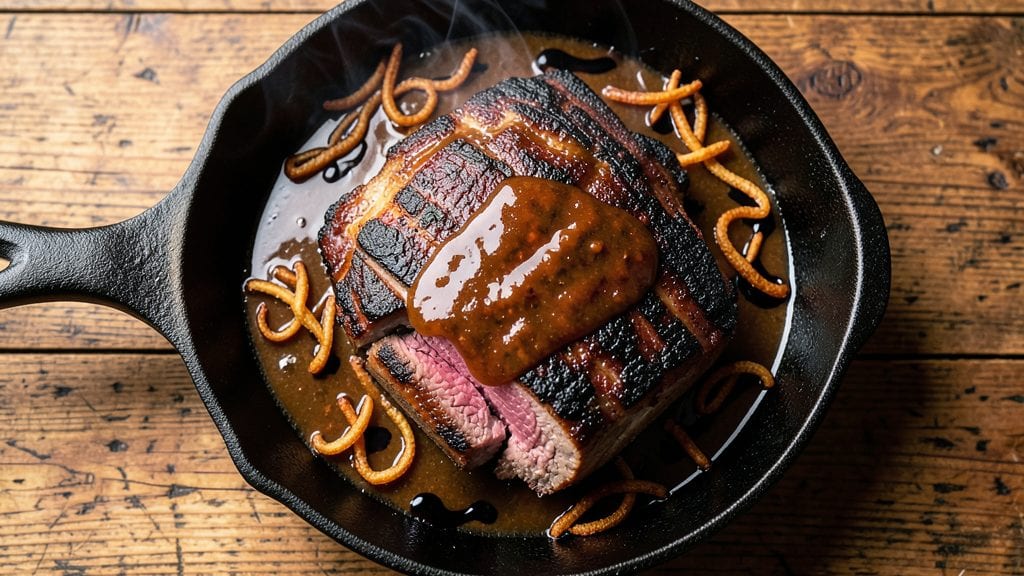
Transforming a simple can of Lipton onion soup into the star of your brisket dinner is the kind of culinary magic that turns weeknight meals into showstoppers.
This recipe takes the rich, umami-packed flavors of that familiar soup and elevates them into a slow-cooked brisket that practically falls apart at the touch of a fork.
I've perfected this method over countless hours in the kitchen, ensuring every bite delivers that perfect balance of savory, tangy, and caramelized depth.
The process begins with a simple yet effective marinade using Lipton onion soup mix, which infuses the brisket with layers of flavor while tenderizing the meat. After a slow cook in the oven or smoker, the brisket becomes fork-tender, absorbing the soup's essence like a sponge.
What makes this recipe truly special is how the soup isn't just a side—it becomes the backbone of the dish, creating a velvety, aromatic sauce that clings to every bite of meat. The result is a brisket that's restaurant-quality without the fuss.
By the time you serve this brisket, you'll have a dish that's rich, deeply flavorful, and impossible to resist. The brisket slices easily, revealing juicy, tender meat that's perfectly complemented by the onion soup sauce.
This isn't just a meal—it's an experience, one that pairs beautifully with crusty bread or roasted vegetables to soak up every last drop of that savory sauce. Whether you're feeding a crowd or treating yourself to a special dinner, this recipe delivers every time.
Ready to turn a pantry staple into a showstopper? Let's get started with this foolproof method that transforms humble ingredients into something extraordinary. The best part?
You'll have time to relax while the oven or smoker does all the hard work, leaving you with a brisket that's worth every minute of anticipation.
Ingredients for lipton onion soup brisket
Six ingredients make the magic happen—plus a pantry staple you already own.
| Ingredient | Amount | Notes |
|---|---|---|
| Beef Brisket 🥩 | 4 lb | Flat cut, 1-inch thick |
| Lipton Onion Soup Mix 🥣 | 2 tbsp | Granulated, unsweetened |
| Brown Sugar 🍯 | ½ cup | Packed, light brown |
| Worcestershire Sauce 🍶 | 2 tbsp | Full-strength, not reduced |
| Black Coffee ☕ | 1 cup | Strong, cold brew |
| Apple Cider Vinegar 🍏 | ¼ cup | Unfiltered, not balsamic |
| Garlic Cloves 🧄 | 6 cloves | Peeled, smashed |
| Yellow Onion 🧅 | 1 whole | Large, peeled, sliced |
| Beef Broth 💧 | 2 cups | Low-sodium, homemade preferred |
| Olive Oil 🫒 | 2 tbsp | Extra-virgin, for searing |
| Kosher Salt 🧂 | 1 ½ tsp | Coarse, for seasoning |
| Freshly Ground Black Pepper 🌶️ | 1 tsp | Cracked peppercorns |
| Heavy Cream 🥛 | ½ cup | Full-fat, for finishing |
| Fresh Thyme 🌿 | ¼ cup | Leaves only, chopped |
The brisket is non-negotiable here—flat cut, 4 pounds gives you the best balance of tenderness and flavor. Costco or local butchers usually have it pre-trimmed, but if you're buying a whole packer, trim it yourself for even cooking. Look for good marbling—those white fat streaks are what keep the meat juicy during slow cooking. I’ve used Whole Foods or Kroger for brisket, but honestly, any well-stocked grocery store will have it. If you’re in a pinch, substitute beef chuck roast, but it won’t be as tender.
The Lipton onion soup mix is the secret weapon—don’t skimp on the granulated, unsweetened version. The brown sugar adds caramel depth, so light or dark doesn’t matter, but packed means no air gaps. Worcestershire sauce? Lea & Perrins is the gold standard, but any full-strength bottle works. No coffee on hand? Strong black tea works in a bind, but the acidity won’t be quite the same. The apple cider vinegar cuts through the richness—Bragg’s is my go-to, but any unfiltered kind does the trick. Fresh thyme is ideal, but dried at one-third the amount keeps this doable on busy nights.
This brisket tastes even better the next day—plan ahead. Store leftovers in the fridge for up to 5 days, wrapped tightly in foil to keep it moist. For longer storage, freeze portions for up to 3 months. The sauce thickens as it cools, so add a splash of beef broth when reheating. I like to slice it thin against the grain and serve with crusty bread to soak up every last drop of that onion soup goodness.
Why You'll Love This Recipe
- Here’s what sold me: the caramelized crust from the brown sugar and coffee. It’s like a slow-cooked barbecue flavor, but you get it in half the time. That first bite—tender beef with a crackly, slightly bitter-sweet edge? My family fights over seconds.
- Pantry Magic: I swear by this trick—just grab what’s already there. That jar of onion soup mix? The brown sugar lurking in your cabinet? No extra shopping, no hunting for obscure spices. The brisket’s the star, but the coffee and Worcestershire turn it into something next-level without extra effort.
- Smoky Sweet Crunch: Here’s what sold me: the caramelized crust from the brown sugar and coffee. It’s like a slow-cooked barbecue flavor, but you get it in half the time. That first bite—tender beef with a crackly, slightly bitter-sweet edge? My family fights over seconds.
- Game-Day Flex: Between us, this is my secret weapon for tailgates or lazy Sundays. Serve it sliced over mashed potatoes, on a toasted bun, or straight from the pan with pickles. The onion soup base makes it feel fancy, but it’s still your food—no stress, no rules.
Step-by-step instructions for Lipton onion soup brisket
Here's how to transform simple ingredients into a brisket so rich it'll have your guests asking for seconds.
Sear the Brisket to Lock in Flavors
Heat a heavy skillet or Dutch oven over medium-high heat until it's smoking hot. Add the 2 tablespoons olive oil and let it shimmer for about 30 seconds. Place the 4 lb beef brisket fat-side down in the pan and press down gently with a spatula - this prevents curling and ensures even contact. Let it sear undisturbed for 5 minutes until you see deep golden-brown crust forming on the fat cap.
Flip the brisket and sear the other side for another 5 minutes. You'll notice the fat starting to render out - this is the foundation of your sauce. Once both sides are beautifully browned, remove the brisket from the pan and set it aside on a plate. The residual heat will keep it warm while you build your flavor base.
Build the Umami-Packed Base
In the same skillet (don't wipe it clean - those browned bits are pure flavor), add the 1 whole yellow onion and 6 smashed garlic cloves. Cook them over medium heat for about 5 minutes until the onions soften and turn translucent. You should smell that sweet, caramelizing aroma - this is where the magic happens.
Stir in the 2 tablespoons Lipton onion soup mix and let it toast for 30 seconds until fragrant. Pour in the 2 tablespoons Worcestershire sauce and scrape up all those delicious browned bits from the bottom of the pan. This deglazing step captures all the meaty flavors you've built up. Add the 0.5 cup brown sugar and stir until it melts into the mixture, creating a glossy, caramelized coating.
Slow Cook with Coffee and Vinegar
Pour in the 1 cup black coffee and 0.25 cup apple cider vinegar, scraping up any remaining bits from the pan. The liquid should bubble vigorously for about 2 minutes as the acids and coffee flavors meld together. Add the 2 cups beef broth and bring everything to a gentle simmer over medium-low heat.
Place the seared brisket back into the skillet, fat-side up, and add enough water to just barely cover the meat - about 1 cup. The liquid should come about halfway up the sides of the brisket. Sprinkle the 1.5 teaspoons kosher salt and 1 teaspoon freshly ground black pepper over the top. Bring to a gentle boil, then immediately reduce heat to maintain a very low simmer.
Cook Low and Slow for Maximum Tenderness
Cover the skillet and transfer it to a preheated 300°F oven. Here's where patience pays off - cook the brisket for 3 to 3.5 hours, checking occasionally to ensure there's always some liquid in the pan. About halfway through cooking, you'll notice the liquid reduces significantly - this is normal and actually intensifies the flavors.
After 3 hours, check the internal temperature using a meat thermometer. It should read between 195°F and 205°F - this is when the connective tissues break down and the meat becomes fork-tender. If it's not there yet, continue cooking. The brisket is done when it's so tender that a fork slides in like butter and the meat practically falls apart.
Finish with Cream and Thyme
Once the brisket reaches the perfect temperature, remove it from the oven and let it rest for 15 minutes. Meanwhile, skim off any excess fat from the cooking liquid and stir in the 0.5 cup heavy cream and 0.25 cup chopped fresh thyme. Simmer this mixture uncovered for 5 minutes to let the flavors meld together and the sauce thicken slightly.
Slice the brisket against the grain into 1/4-inch thick pieces and serve it smothered in that rich, creamy onion soup sauce. The combination of coffee, vinegar, and cream creates a depth of flavor that's simply irresistible. Each bite delivers perfectly tender meat with a sauce that's equal parts sweet, tangy, and umami-packed - the kind of brisket that makes people want to lick their plates.
Pro Tips For Making Lipton Onion Soup Brisket
- Brown the Brisket First: That onion soup mix is salty enough—don’t let it overpower your meat. Sear the brisket in a hot pan with oil until it’s deep brown on all sides before adding liquids. I used to skip this, and the flavor just didn’t stick like it does when you get that crust going.
- Use Cold Coffee: Pouring cold black coffee over the brisket as it simmers keeps the pot from boiling over and thins the sauce gradually. Hot coffee makes a mess, and cold coffee actually helps the flavors meld better without rushing the process.
- Skip the Crowding: If you’re cooking this in a Dutch oven or deep skillet, don’t stack the brisket or onions on top of each other. Pile them in one layer so the liquid can circulate—this is the thing that matters most for even cooking and tender meat.
- Reduce the Sugar: Brown sugar caramelizes fast and can turn bitter if left too long. Add half the amount called for in the recipe, then taste the sauce before serving—you can always stir in more later if needed. I learned this the hard way after overcooking a batch.
Storing and reheating this dish
Refrigerator Storage
Let your brisket cool to room temperature for 1 hour before refrigerating—this prevents condensation that can make the meat soggy. Transfer it to an airtight container with the sauce, leaving ½ inch headspace for expansion.
Store in the fridge for up to 5 days, though I find the flavors deepen overnight. The sauce thickens as it rests, so add 1-2 tablespoons beef broth when reheating if it seems too stiff. 🥩
Freezer Storage
For longer storage, freeze portions in quart-sized freezer bags or airtight containers. Lay the brisket flat in the bag to save space, and press out excess air to prevent freezer burn. Label with the date—this brisket stays delicious for 3 months.
When ready to eat, thaw overnight in the fridge, then reheat gently. The texture remains tender, though the sauce may separate slightly; stir in 1 tablespoon heavy cream to restore richness. ❄️
Reheating Methods
My preferred method is stovetop: Place the brisket and sauce in a skillet over medium-low heat, adding 2-3 tablespoons beef broth to prevent sticking. Cover and heat for 10-15 minutes, stirring occasionally, until reaching 165°F internal temperature.
For microwave reheating, cover with a damp paper towel and heat in 1-minute intervals on 50% power, stirring between each interval. Avoid high heat—it turns the sauce grainy. 🔥
Sauce Preservation
If you want to save just the sauce, skim off excess fat while warm (it solidifies when chilled). Store the sauce separately in an airtight container for up to 4 days in the fridge.
To reheat, warm over low heat and whisk in 1 tablespoon heavy cream to restore its velvety texture. I often use leftover sauce as a dip for crusty bread or a topping for mashed potatoes. 🥛
Serving Leftovers
Leftovers make incredible sandwiches: Pile sliced brisket on toasted sourdough, drizzle with extra sauce, and top with caramelized onions. For a heartier meal, serve over egg noodles or roasted potatoes.
The sauce also works as a glaze for roasted vegetables—brush it on carrots or Brussels sprouts before baking for a sweet-savory finish. Plan to have extra bread on hand; this sauce is irresistible. 🍞
Safety Reminder
Always reheat brisket to 165°F internal temperature to kill any bacteria. Use a meat thermometer to check—insert it into the thickest part of the meat. If reheating from frozen, add 5-10 extra minutes to ensure even heating.
Never leave brisket at room temperature for more than 2 hours (or 1 hour if above 90°F). When in doubt, refrigerate promptly. 💡
Nutrition facts
Frequently asked questions
Can I substitute the Lipton onion soup mix with another brand?
While Lipton's mix is ideal for its specific flavor profile, you can use other onion soup mixes in a pinch. Just check the ingredients—avoid versions with added sugar or artificial flavors that might alter the balance. For a homemade version, combine 1 tbsp onion powder, ½ tsp garlic powder, ½ tsp thyme, and ¼ tsp black pepper for a similar effect.
How do I know when the brisket is fully tender?
The brisket is done when it reaches 195°F-205°F internal temperature and the meat practically falls apart with minimal pressure. A fork should slide in like butter, and the connective tissues should have broken down completely. If it feels firm, continue cooking—patience pays off for that melt-in-your-mouth texture.
Can I make this recipe in a slow cooker instead of the oven?
After searing the brisket, transfer it to your slow cooker with all the sauce ingredients. Cook on low for 8-10 hours or high for 5-6 hours until tender. The slow cooker maintains consistent heat, which works beautifully for this method. Just add ½ cup water if the liquid reduces too much during cooking.
What's the best way to serve this brisket?
This brisket shines as a main course with crusty bread for soaking up the sauce, or piled high on toasted sourdough with caramelized onions for sandwiches. For a heartier meal, serve it over egg noodles or with roasted vegetables. The creamy onion soup sauce also makes an amazing dip for extra bread or a glaze for roasted potatoes.
Why does my sauce turn grainy when reheating?
Graininess usually happens when the sauce cools too quickly or is reheated too aggressively. To fix it, whisk in 1-2 tablespoons heavy cream or beef broth while reheating over low heat. For prevention, store the sauce separately in an airtight container and reheat it gently, stirring constantly until smooth.