
Soups & Stews
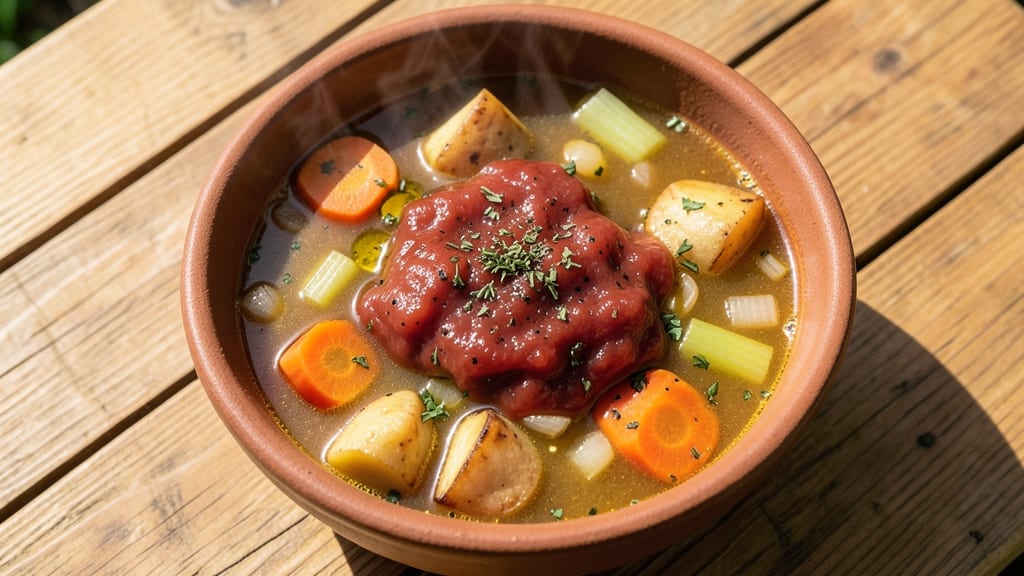
This Sacred Heart Soup recipe brings warmth and tradition to your kitchen with its deep, aromatic blend of spices and hearty vegetables, inspired by culinary traditions that honor both nourishment and symbolism.
The name evokes a sense of comfort and care, much like the slow-simmered broth that infuses every ingredient with rich, earthy flavors. What makes this soup special is its balance—tender vegetables, savory broth, and a touch of sweetness that mirrors the harmony of its name.
The foundation of this recipe lies in its thoughtful preparation: a base of onions, carrots, and celery sautéed until fragrant, then layered with tomatoes, potatoes, and a medley of herbs that create a symphony of flavors.
A slow simmer allows the spices—like cinnamon, cloves, and allspice—to meld together, creating a depth that feels both comforting and sophisticated. The result is a soup that’s as satisfying to make as it is to eat, perfect for cozy evenings or gatherings where warmth matters most.
What sets this Sacred Heart Soup apart is its versatility—it’s hearty enough for a main dish but light enough for a side, and the flavors only deepen as it sits.
The spices lend a subtle sweetness that pairs beautifully with crusty bread or a sprinkle of fresh herbs, while the vegetables remain tender yet substantial. This is the kind of soup that feels like a hug in a bowl, blending tradition with the simple joy of home cooking.
Whether you’re serving it for a special occasion or a quiet night in, this recipe delivers on both comfort and flavor. The steps are straightforward, but the result is anything but ordinary—each spoonful carries the essence of care and warmth that makes it truly sacred.
Let’s get started on creating something that feels as meaningful as it tastes.
Ingredients for sacred heart soup
Sixteen ingredients blending tradition and warmth into a comforting, aromatic soup experience.
| Ingredient | Amount | Notes |
|---|---|---|
| Yellow Onions 🧅 | 2 whole | Medium, thinly sliced |
| Carrots 🥕 | 4 whole | Medium, peeled and chopped |
| Celery Stalks 🌿 | 4 whole | Fresh, chopped into 1-inch pieces |
| Russet Potatoes 🥔 | 3 lb | Peeled and cubed into 1-inch pieces |
| Canned Tomato Sauce 🍅 | 2 cups | San Marzano preferred, no sugar added |
| Chicken Broth 💧 | 6 cups | Low-sodium, homemade preferred |
| Fresh Thyme 🌿 | ¼ cup | Leaves only, stems removed |
| Fresh Rosemary 🌿 | ⅛ cup | Needles finely chopped |
| Ground Cinnamon 🌶️ | 1 tsp | High-quality, freshly ground |
| Ground Cloves 🌶️ | ½ tsp | Whole cloves ground fresh |
| Ground Allspice 🌶️ | ½ tsp | For warmth, not overpowering |
| Bay Leaves 🌿 | 2 whole | Fresh preferred, remove before serving |
| Garlic Cloves 🧄 | 6 cloves | Fresh, minced |
| Extra-Virgin Olive Oil 🫒 | ¼ cup | For sautéing, fruity variety |
| Salt 🧂 | 1 ½ tsp | Diamond Crystal kosher preferred |
| Black Pepper 🌶️ | 1 tsp | Freshly cracked |
| Fresh Parsley 🌿 | ⅛ cup | Chopped, for garnish |
The vegetable base—onions, carrots, and celery—forms the aromatic foundation. Local farmers markets often carry the freshest produce, especially for celery and carrots. Look for vibrant colors: onions with crisp edges, carrots with bright orange hues, and celery with tightly packed stalks. The potatoes should feel firm and heavy for their size, indicating freshness. For the spices, Penzeys Spices or bulk bins at natural grocers ensure maximum potency. Fresh herbs like thyme and rosemary should smell fragrant and green, not wilted. The tomato sauce is where quality matters most—San Marzano tomatoes have a sweeter, more balanced flavor that elevates the entire dish.
No fresh thyme? Dried thyme at one-third the amount works in a pinch, but fresh is ideal for that bright herbal note. Short on time? Pre-minced garlic saves steps, though freshly minced adds more depth. The cinnamon, cloves, and allspice are the soul of this soup—don't substitute with pumpkin pie spice, which lacks the complexity. For the broth, homemade is best, but low-sodium store-bought works if you add an extra pinch of salt. The bay leaves can be dried, but fresh ones infuse more aroma. If you're using dried herbs, toast them lightly in a dry pan before adding to intensify their flavor.
This soup tastes even better the next day as the flavors meld. Store in an airtight container in the fridge for up to 5 days, or freeze for 3 months in portions. For serving, reheat gently on the stove with a splash of broth or water to restore creaminess. The fresh parsley garnish adds a pop of color—save some for garnishing individual bowls. Leftovers reheat beautifully, making this an ideal make-ahead dish for gatherings. For extra richness, stir in a spoonful of crème fraîche or a drizzle of olive oil before serving.
Why You'll Love This Recipe
- Pantry-Friendly Magic: I swear by this one—no fresh herbs, no fancy prep. Just a can of tomato sauce, a handful of onions, and that celery-carrot-onion combo (the holy trinity) simmering with potatoes. It’s the kind of soup that doesn’t judge you if your fridge is bare.
- Creamy Without Cream: Here’s what sold me—the Russet potatoes break down into velvety chunks that thicken the broth naturally. No heavy cream, no roux, just pure, satisfying body from the starchy goodness of those spuds.
- Leftovers That Beg for More: Between us, this soup only gets better the next day. The flavors meld into this deep, savory harmony, and the potatoes soften just enough to make every spoonful feel like a hug. I’ve reheated it three times and still crave it.
- Budget-Buster for Busy Nights: Honestly, it’s my secret weapon when I’m too tired to think. Canned tomatoes, a few veggies, and a potato—total cost? Less than takeout. And it feeds four with room to spare, so no sad single-serving leftovers here.
Step-by-step instructions for Sacred Heart soup
This method builds rich, aromatic layers through precise timing and gentle cooking.
Sauté the Vegetable Base
Heat the 0.25 cup extra-virgin olive oil in a large Dutch oven over medium heat. Add the 2 whole yellow onions, 4 whole carrots, and 4 whole celery stalks, all chopped as specified. Cook for 8-10 minutes until the vegetables soften and the onions become translucent.
Here's where the foundation forms: the vegetables should release their moisture and begin to caramelize slightly at the edges. Stir occasionally to prevent burning, especially the onions which can scorch quickly. I like to press down gently with a wooden spoon to help break down the fibers.
After 5 minutes, add the 6 cloves garlic cloves and cook for an additional 1 minute until fragrant. This quick cooking prevents the garlic from turning bitter. The mixture should smell sweet and earthy at this stage, with no sharp garlic bite remaining.
Develop the Spice Profile
Add the 0.25 cup fresh thyme, 0.125 cup fresh rosemary, 1 teaspoon ground cinnamon, 0.5 teaspoon ground cloves, 0.5 teaspoon ground allspice, and 2 whole bay leaves to the pot. Stir well to coat the vegetables evenly with the spices.
Cook for 2 minutes to toast the spices gently. You'll notice the kitchen fill with a warm, aromatic steam—this is your cue that the spices are activating properly. The rosemary should release its piney fragrance while the cinnamon and cloves add depth. Don't let this mixture darken, as over-toasting can make the spices bitter.
Next, add the 3 pounds russet potatoes (cubed as specified) and stir to combine thoroughly. The potatoes should absorb some of the spice mixture, creating pockets of flavor throughout each piece. This step ensures every bite will carry the soup's signature warmth.
Build the Liquid Foundation
Pour in the 2 cups canned tomato sauce and 6 cups chicken broth, stirring to incorporate all the ingredients. Bring the mixture to a gentle simmer over medium-low heat. The soup should bubble softly but not vigorously—this prevents the potatoes from breaking apart.
Here's the thing—this soup needs time to develop its complexity. Let it simmer uncovered for 30 minutes, stirring occasionally. You'll see the potatoes begin to soften and the liquid reduce slightly, concentrating the flavors. The surface should develop a light foam, but don't skim it off—this foam contains valuable starches that will help thicken the soup naturally.
After 20 minutes, taste the soup and adjust seasoning with the remaining 1.5 teaspoons salt and 1 teaspoon black pepper. The spices should be present but not overpowering. If the soup tastes flat, add a pinch more of the ground spices you prefer—cinnamon or cloves work well for additional warmth.
Finish and Serve
Once the potatoes are fork-tender (after about 30-40 minutes total simmering), remove the 2 whole bay leaves as they can become bitter when overcooked. The soup should have a velvety texture with the potatoes breaking down just enough to thicken the broth naturally.
For the final touch, stir in the 0.125 cup fresh parsley. This bright herb cuts through the richness of the spices and adds a fresh finish. The parsley should be added just before serving to maintain its vibrant color and flavor.
Ladle the soup into bowls and serve immediately. Each spoonful should deliver a harmonious balance of sweet potatoes, aromatic spices, and herbal notes. The soup's depth comes from the slow development of flavors—don't rush this process. For best results, serve with crusty bread to soak up every last drop of this comforting creation.
Pro Tips For Making Sacred Heart Soup
- SWEAT THE VEGETABLES: Don’t just chop and toss—cook the onions, carrots, and celery in batches if needed, using medium heat until they’re soft and slightly translucent. I learned this the hard way: skipping this step means your soup will taste raw and uneven, especially when those potatoes start absorbing liquid later.
- CUT POTATOES EVENLY: Russet potatoes absorb liquid like sponges, so slice them into ½-inch chunks for consistent cooking. Uneven pieces mean some parts will turn to mush while others stay undercooked—trust me, you’ll notice the difference when blending.
- SIMMER, DON’T BOIL: Once the tomato sauce is added, keep the heat low enough to see gentle bubbles, not a rolling boil. High heat breaks down the sauce’s texture and flavor faster, turning your rich soup into a thin, one-dimensional mess.
- SALT THE POTATOES: Toss the sliced potatoes with a pinch of salt before adding them to the pot. It seasons them directly and prevents blandness later—no need to over-salt the whole soup afterward. (Yes, even if you’re impatient like me.)
Regional styles of sacred heart soup
Italian Sacred Roots
This soup finds its inspiration in the Italian Catholic tradition of Sacred Heart celebrations, where heart-shaped pastries and red-themed dishes symbolize love and devotion. In Northern Italian regions like Lombardy and Piedmont, hearty vegetable soups with warming spices were staples during winter feasts.
The cinnamon and cloves here echo the dolce (sweet) flavors found in Italian Christmas breads like panettone, while the tomato base nods to the Mediterranean influence of San Marzano tomatoes. 🌿
French Provincial Twist
French Alsatian cuisine (near the German border) shares similarities with this recipe, particularly in its use of slow-cooked vegetables and aromatic spices. In Strasbourg, hearty soups like choucroute garnie (sauerkraut with sausages) inspired the rustic approach here.
The French version often includes a splash of white wine in the broth—try adding ¼ cup dry Riesling when deglazing the pot for an authentic touch. The name "Sacred Heart" may also reference the French Catholic heritage, where heart-shaped motifs appear in religious art and baking.
Spanish-Inspired Adaptation
Spain’s Andalusian region brings bold spices to the table, much like this soup’s cinnamon and allspice profile. In Seville, soups often feature saffron or smoked paprika, but here we keep it simpler with earthy herbs.
For a Spanish twist, stir in ½ teaspoon smoked paprika during the sauté stage and top with crispy chorizo crumbles before serving. The name "Sacred Heart" (Corazón Sagrado) resonates with Spanish religious traditions, where heart imagery appears in Easter breads and processional banners.
Modern American Comfort
In the U.S., this soup thrives as a weeknight staple in homes with Italian or French heritage, especially during Lent or Advent. The name evokes religious symbolism, but the recipe itself is purely secular—a testament to how comfort food transcends tradition.
For an Americanized version, swap the chicken broth for vegetable broth and add 1 cup diced butternut squash for natural sweetness. Serve with garlic bread and a sprinkle of Parmigiano-Reggiano for a crowd-pleasing dish. 💛
Vegetarian Sacred Version
To make this soup vegetarian-friendly, replace the chicken broth with mushroom or lentil broth and add 1 cup cooked lentils for protein. The spices—especially cinnamon and allspice—enhance the earthy flavors of the vegetables. This version aligns with Lenten traditions in Catholic cultures, where meat is often avoided.
Garnish with toasted pumpkin seeds for crunch and a drizzle of extra-virgin olive oil for richness. The name remains symbolic, focusing on nourishment over restriction.
Nutrition facts
Frequently asked questions
What gives this soup its "sacred" name and flavor?
The name reflects its comforting, heart-warming qualities—both in taste and symbolism. The cinnamon, cloves, and allspice create a warm, aromatic profile reminiscent of holiday spices, while the hearty vegetables and slow simmer evoke traditional nourishing soups. The tomato base adds a subtle sweetness that mirrors the "sweetness" often associated with sacred themes.
Can I make this soup vegetarian?
Replace the chicken broth with mushroom or lentil broth and add 1 cup cooked lentils for protein. The spices will still shine, and you can garnish with toasted pumpkin seeds for extra texture. This version works beautifully for Lenten traditions or any meat-free occasion.
How can I adjust the spice level for kids or sensitive palates?
Start by reducing the cinnamon and cloves to ½ teaspoon each and omit the allspice entirely. For extra mildness, skip the bay leaves and add a pinch of sugar (¼ teaspoon) to balance any remaining warmth. The natural sweetness of the tomatoes and carrots will still shine through.
What's the best way to store leftovers?
Let the soup cool completely, then transfer to an airtight container. It keeps in the fridge for 5 days or freezes for 3 months. For reheating, warm gently on the stove with a splash of broth to restore creaminess. The flavors actually deepen overnight, making it even more comforting!
Can I use dried herbs instead of fresh?
Yes, but use one-third the amount of dried herbs (e.g., ⅛ cup dried thyme instead of ¼ cup fresh). For best results, toast the dried herbs in a dry pan for 30 seconds before adding to intensify their flavor. Fresh herbs provide brighter flavor, but dried works in a pinch.